Trump halts Iran strikes for two weeks as Tehran agrees to ceasefire and Hormuz reopening, raising hopes of peace amid high-stakes diplomacy and volatile markets, reports Asian Lite Newsdesk
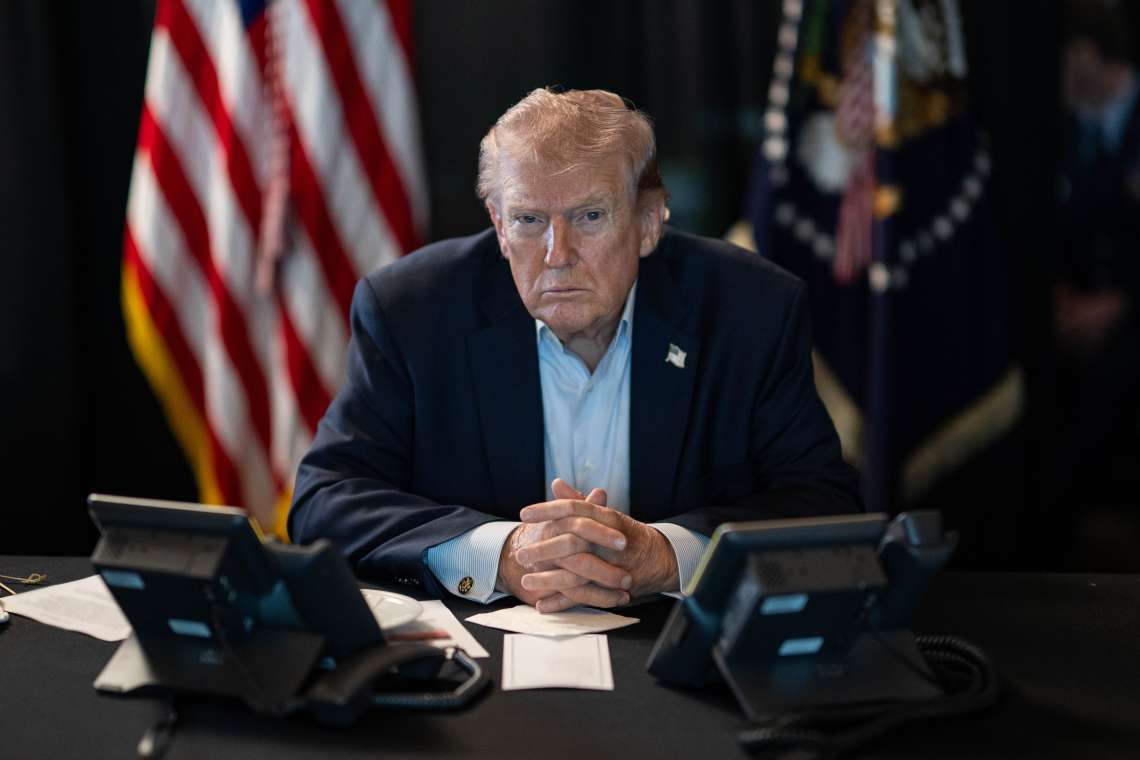
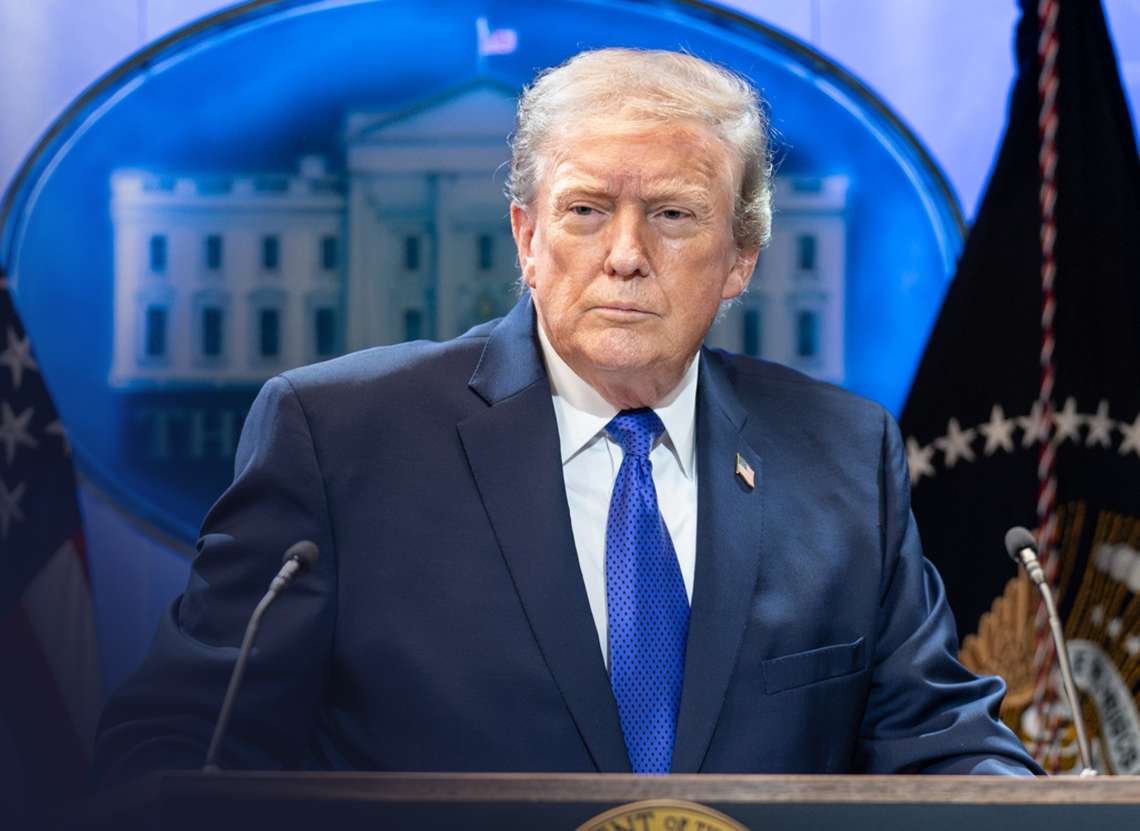
A fragile but significant pause in hostilities between the United States and Iran has opened a narrow diplomatic window, as Donald Trump announced a two-week “double-sided ceasefire”, signalling what could be the first serious step towards ending weeks of escalating conflict in West Asia.
The announcement follows intense backchannel diplomacy involving Shehbaz Sharif and Asim Munir, as well as consultations with Benjamin Netanyahu, underscoring the multi-layered geopolitical effort to prevent a wider regional war.
Ceasefire hinges on Hormuz reopening
In a post on Truth Social, Trump confirmed that the United States would suspend its “bombing and attack” campaign on Iran for two weeks, provided Tehran ensured the “complete, immediate, and safe” reopening of the Strait of Hormuz — a critical artery for global oil shipments.

Trump said the decision followed direct appeals from Pakistan’s leadership and claimed that Washington had already “met and exceeded” its military objectives. He further revealed that Iran’s 10-point proposal would serve as the basis for negotiating a long-term settlement.
The ceasefire comes in stark contrast to Trump’s earlier rhetoric, where he warned of catastrophic destruction, writing that “a whole civilisation will die tonight”, heightening fears of a full-scale regional war.
Iran signals conditional acceptance
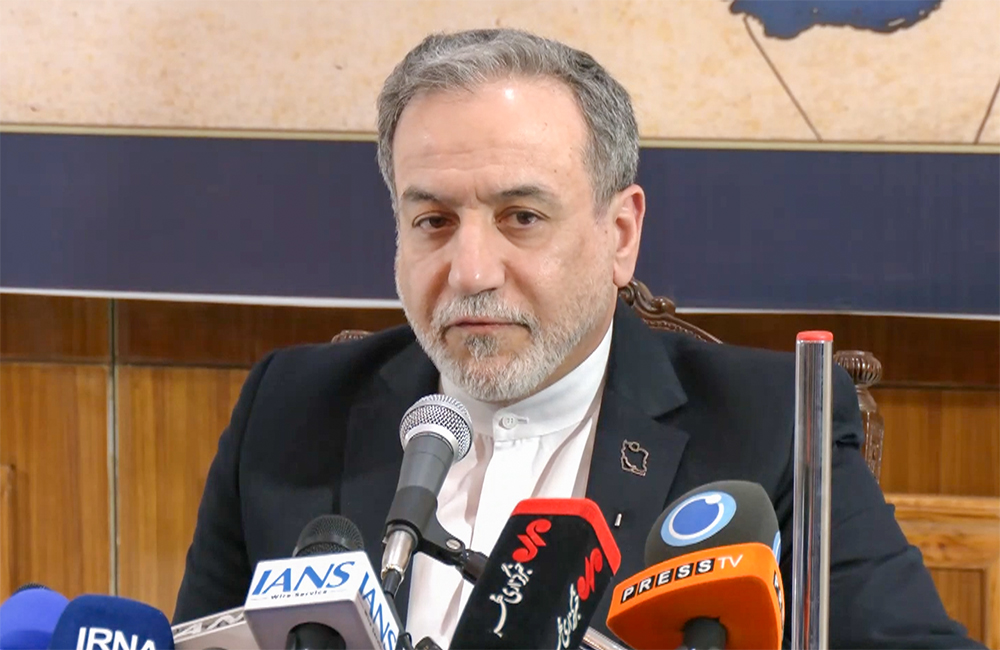
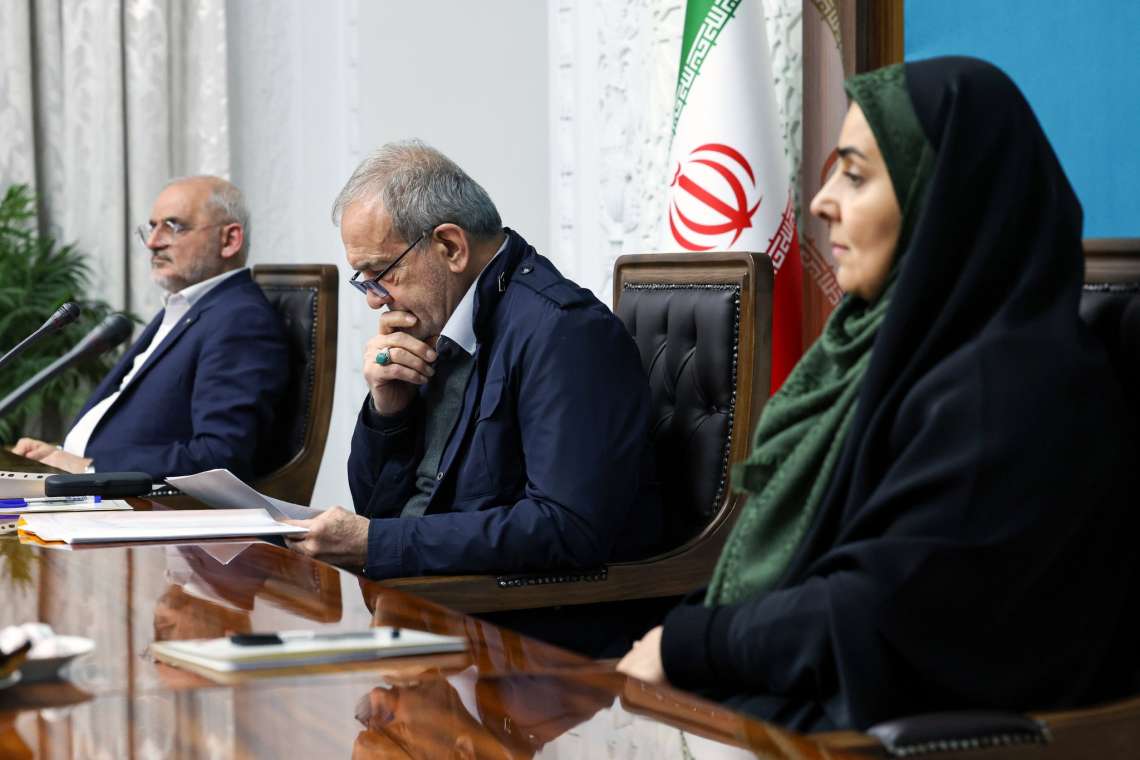
Iran responded cautiously but positively. Foreign Minister Seyed Abbas Araghchi stated that Tehran would halt its military operations if attacks ceased, confirming a reciprocal pause in hostilities.
Tehran also agreed to facilitate limited safe passage through the Strait of Hormuz during the two-week period, coordinated with its armed forces. The move is widely seen as a confidence-building measure aimed at stabilising global energy flows and signalling willingness to engage diplomatically.
Iran’s broader 10-point framework reportedly includes demands such as sanctions relief, recognition of its nuclear programme, withdrawal of US forces from the region, and compensation for wartime damages — issues that have long defined tensions between the two nations.
Pakistan steps in as mediator
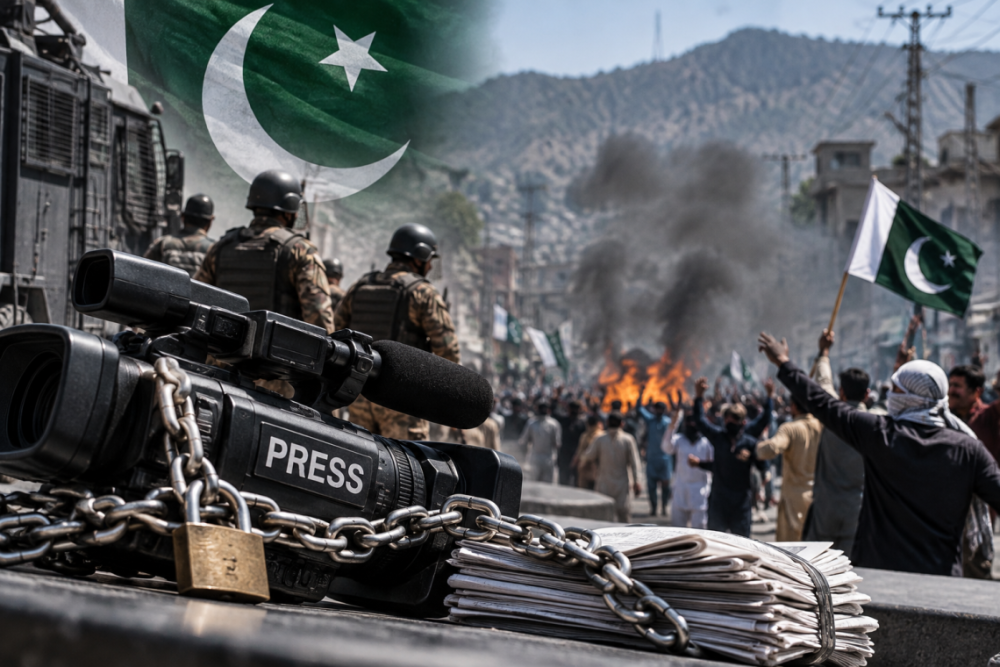
In a significant diplomatic development, Sharif welcomed the ceasefire and invited both US and Iranian delegations to Islamabad on April 10 for what he termed “conclusive negotiations”.
Pakistan’s leadership has positioned itself as a key intermediary, crediting “constructive engagement” from both sides and expressing optimism that the proposed “Islamabad Talks” could pave the way for a sustainable peace agreement.
The involvement of Pakistan reflects a broader regional push to contain the conflict, which has threatened to spill over into neighbouring theatres, including Lebanon.
Markets surge as war fears ease
Global financial markets reacted sharply to the de-escalation. Asian equities rallied, with Japan’s Nikkei 225 and South Korea’s KOSPI posting gains exceeding five per cent, while India’s GIFT NIFTY also surged.

Oil prices, which had spiked amid fears of supply disruptions, fell dramatically following the announcement. Brent crude dropped over 13 per cent, reflecting expectations of stabilised supply as shipping through the Strait of Hormuz resumes.
Meanwhile, gold prices climbed, indicating lingering investor caution despite the easing tensions.