Trump hinted at both catastrophic consequences and the possibility of a new political reality emerging in the Islamic Republic, reports Asian Lite Newsdesk
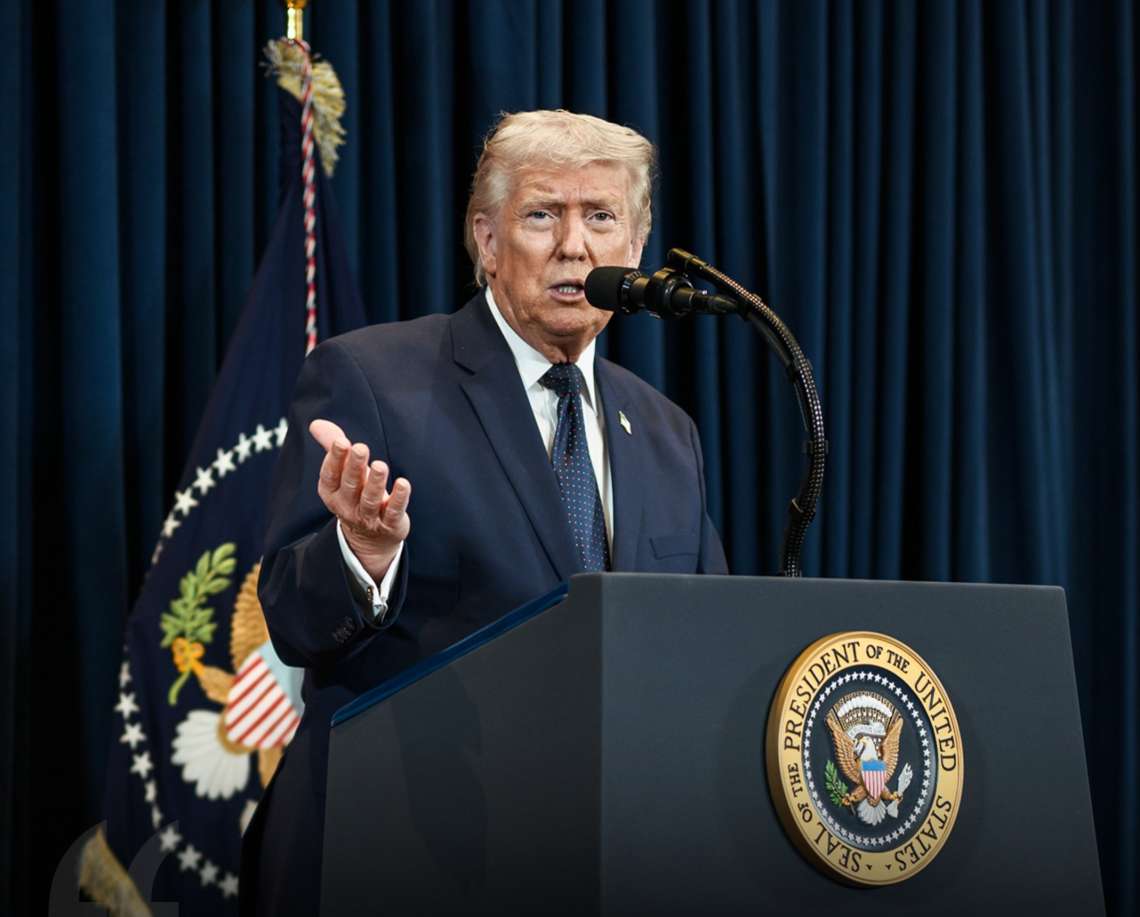
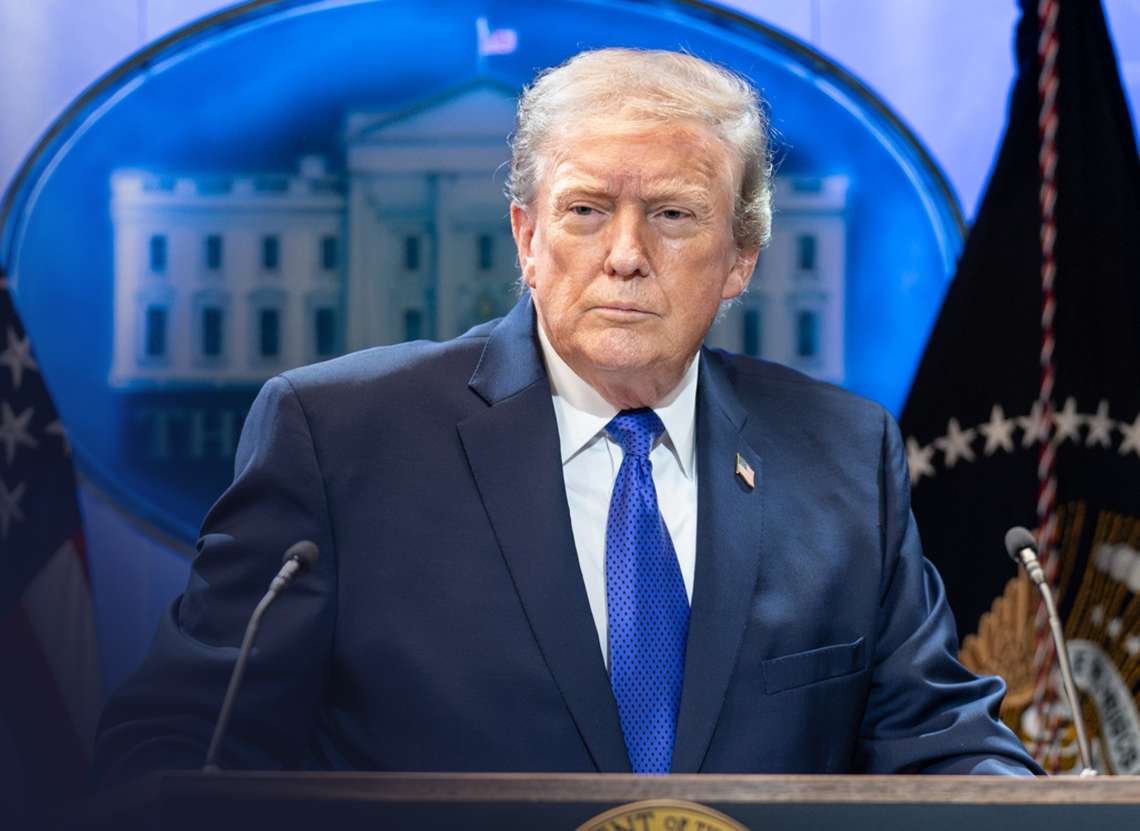
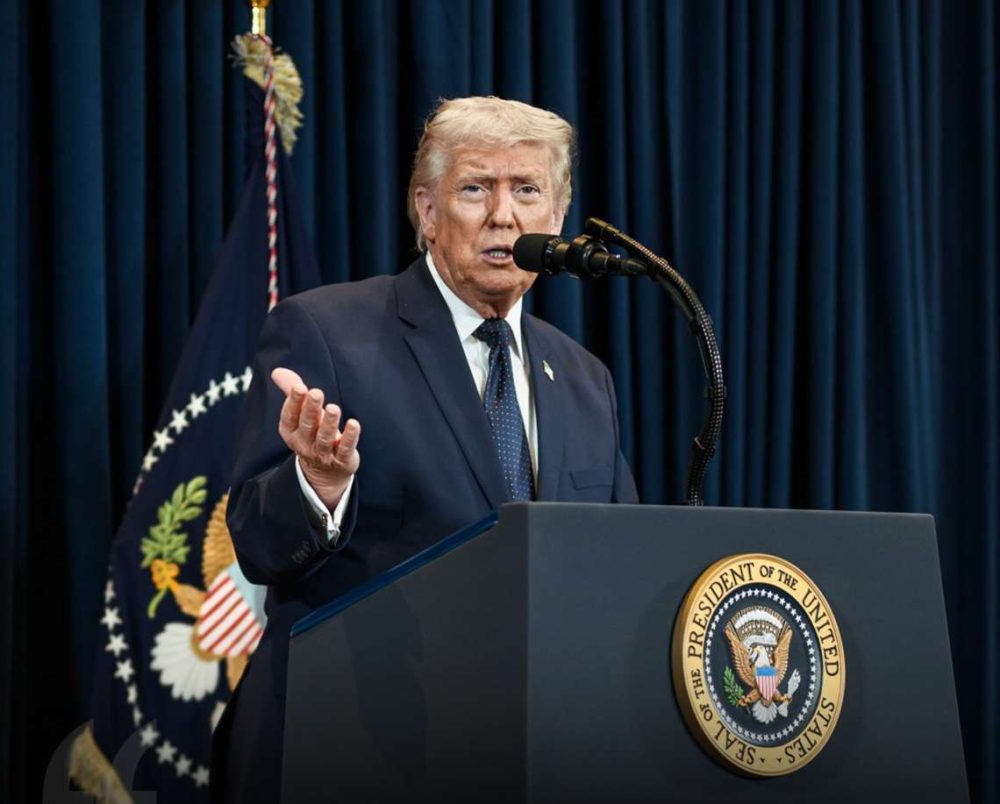
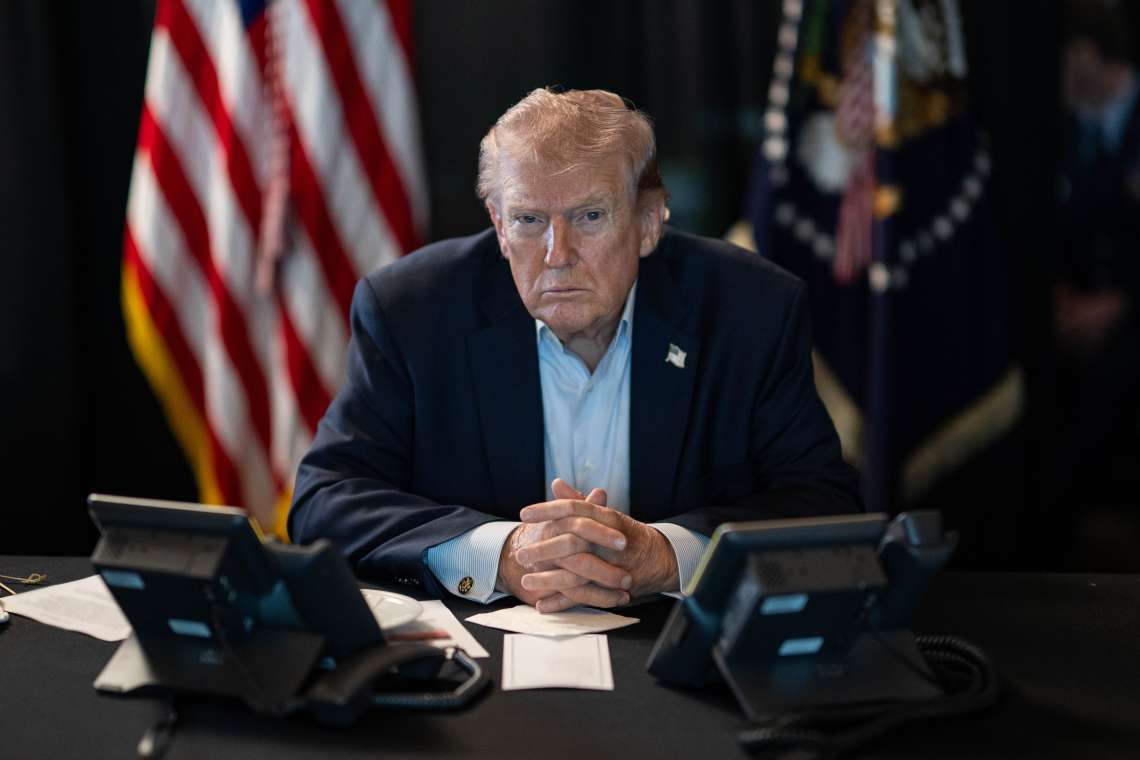
US President Donald Trump issued stark warnings of unprecedented destruction in Iran on Monday, as the clock ticks toward his self-imposed 8:00 PM Eastern Time deadline for Tehran to comply with US demands. Speaking on his Truth Social platform, Trump hinted at both catastrophic consequences and the possibility of a new political reality emerging in the Islamic Republic.
“A whole civilisation will die tonight, never to be brought back again. I don’t want that to happen, but it probably will,” Trump wrote, reflecting the gravity of the ongoing standoff. His statements coincided with reports of US strikes on Kharg Island and other strategic Iranian sites.
Despite the dire rhetoric, Trump suggested a political shift could be underway in Tehran. “Now that we have Complete and Total Regime Change, where different, smarter, and less radicalised minds prevail, maybe something revolutionarily wonderful can happen, WHO KNOWS?” he said.

Framing the escalation as the culmination of decades-long hostilities, Trump added, “We will find out tonight, one of the most important moments in the long and complex history of the world. Forty-seven years of extortion, corruption, and death will finally end.” He concluded with a note of support for the Iranian people: “God Bless the Great People of Iran!”
The President’s warnings are tied to his deadline for Iran to reopen the strategically vital Strait of Hormuz. Failure to comply, he says, will trigger a simultaneous, large-scale bombing campaign targeting “each and every one” of Iran’s power plants and bridges.
On Monday, Trump elaborated that the strikes would leave these facilities “burning, exploding, and never to be used again” within four hours. “The entire country could be taken out in one night, and that night might be tomorrow night,” he told reporters during a White House briefing.
Trump emphasised the urgency of the moment, noting that Washington had provided Tehran ample time to negotiate an agreement. While Iran requested a seven-day extension, the US granted ten days. “They have till tomorrow. Now we will see what happens… A lot of people are affected by this. We are giving them until tomorrow, 8 o’clock, Eastern Time. After that, they are going to have no bridges. They are going to have no power plants. Stone ages,” he said, reiterating that the ultimatum represents Tehran’s final chance to avoid total infrastructure collapse.
The coming hours are expected to determine whether diplomacy can avert a catastrophic confrontation or whether the US will launch one of the most significant military operations in decades.