Democrats prepare to take control of Congress, but tackling rising prices, healthcare costs and voters’ economic concerns will prove a major challenge…reports Asian Lite News Desk
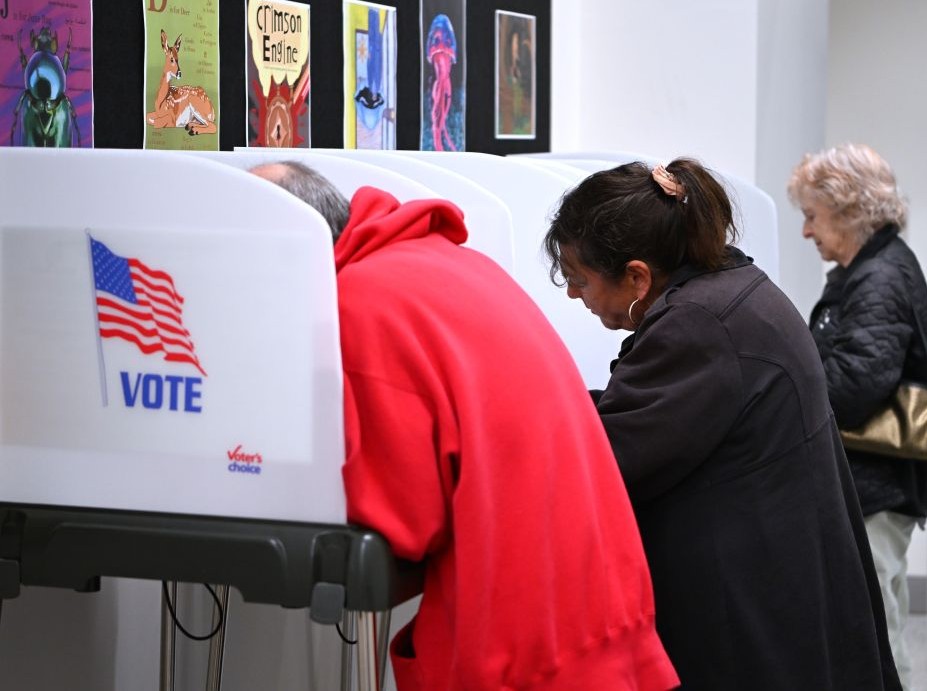
Democrats are heading towards control of Congress after a sweeping electoral victory, but their biggest challenge next year will be meeting voters’ expectations on the economy, particularly tackling rising prices and the cost of living.
With Hakeem Sekou Jeffries expected to become Speaker of the House, the party will have an opportunity to advance its legislative priorities. However, its ability to deliver change will be restricted by the limits of congressional authority and the executive powers held by President Donald Trump.
The Democrats will need to balance their legislative ambitions with efforts to hold the administration accountable, ensuring political confrontations do not overshadow action on issues affecting ordinary Americans.
As the United States does not follow a parliamentary system, the Democrats will have to wait until next year to take control of the legislature. A Republican-controlled Congress will remain in place for the next two months, giving the incoming majority time to prepare its priorities.
One of the party’s immediate options will be to investigate the Trump administration, its officials, businesses and associates, including members of the President’s family. Congressional committees can summon officials for hearings, demand documents and issue subpoenas as part of oversight investigations.
Democrats could also consider impeachment proceedings against Trump, who was impeached twice during his previous term. However, there are divisions within the party over whether another attempt would achieve meaningful results. Without a two-thirds majority in the Senate, securing a conviction would be difficult.
Former presidential candidates Kamala Harris and Hillary Clinton have expressed reservations about impeachment. Clinton has suggested taking targeted action against selected administration officials instead.
Secretary of War Pete Hegseth could face particular scrutiny. Republican Congressman Thomas Massie has already proposed impeachment proceedings against him and prepared eight charges.
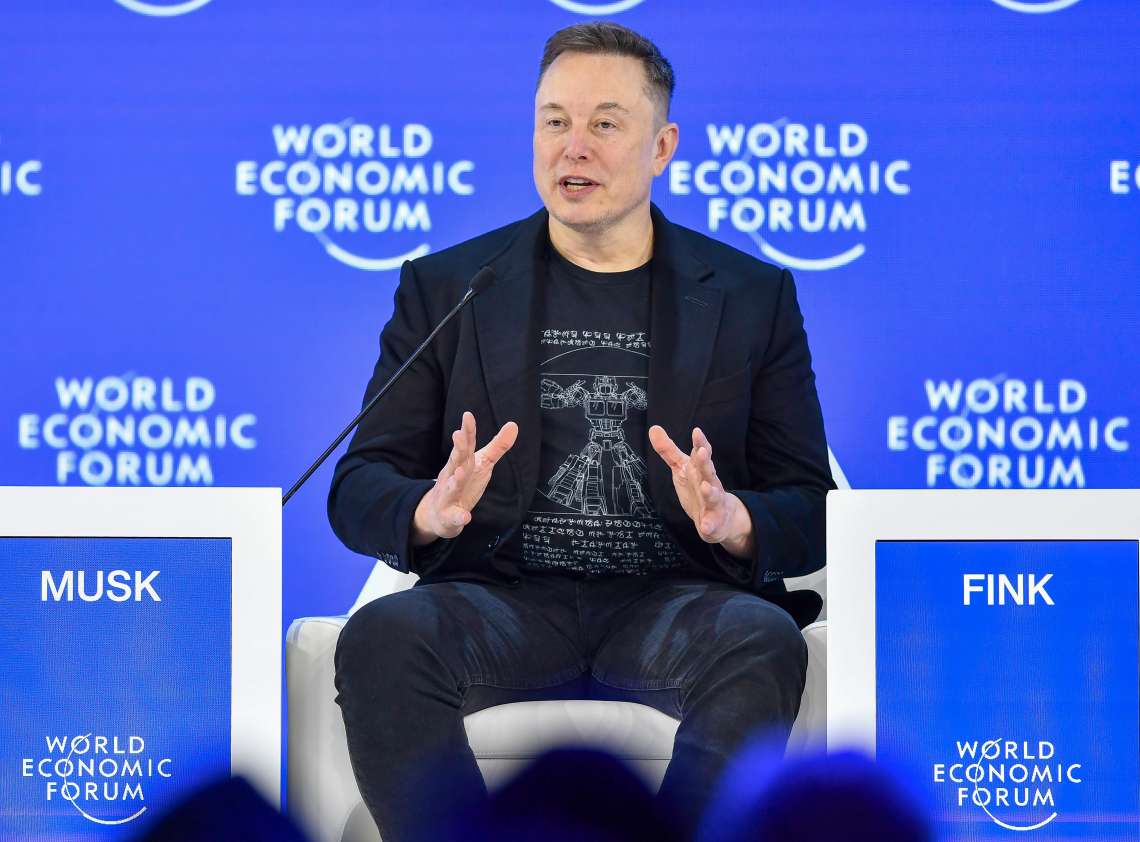
Trump, meanwhile, has indicated that he could consider pre-emptive pardons for some aides and technology billionaire Elon Musk to protect them from potential investigations.
Economic concerns that helped drive the Democratic victory will be considerably harder to address. Although a possible end to the Gulf conflict could ease pressure on energy prices and the wider economy, several domestic challenges will remain.
Controlling Trump’s tariff policies and influencing trade decisions will be among the party’s priorities. Democrats are also expected to examine the growing opposition to data centres, whose electricity consumption has raised concerns about higher power costs for households.
The expanding influence of major technology companies and the rapid development of artificial intelligence will also feature in congressional debates.
Healthcare and social services present another challenge. Democrats may seek to reverse funding cuts, although achieving agreement on legislation will require negotiations with Republicans and overcoming the Senate’s 60-vote threshold for most major bills.
Progressives are also pushing for higher taxes on wealthy Americans to reduce the federal deficit, strengthen Social Security and expand public services. However, such proposals may encounter resistance within the Democratic Party itself.
Immigration enforcement will be another major area of confrontation, with Democrats seeking changes to operations that have involved alleged abuses by government agents and the deportation of migrants to third countries.
The party’s wider agenda includes restoring environmental protections, strengthening the role of science in health policymaking and protecting women’s reproductive rights, including access to abortion.
During the election campaign, Democrats also adopted a more cautious approach to divisive social issues, including transgender participation in women’s sports and access to gender-specific facilities, recognising that these positions had limited support among some mainstream voters.
The challenge now will be turning electoral momentum into policies that deliver tangible economic improvements while navigating political divisions and opposition from the White House.
ALSO READ-Abdul El-Sayed makes history as first Muslim US Senator