A senior UAE official has accused Iran of trying to impose control over the Strait of Hormuz, one of the world’s most important energy shipping routes. The remarks come after Tehran announced a new body to oversee navigation through the strategic waterway….reports Asian Lite News
Top UAE diplomat Anwar Gargash has criticised Iran’s latest moves concerning the Strait of Hormuz, accusing Tehran of attempting to impose control over the strategic waterway and warning that such actions risk further damaging trust across the Gulf region.
Gargash, who serves as Adviser to the UAE President, made the comments after Iran announced the creation of a new body known as the PGSA to manage the Strait of Hormuz. Iranian authorities did not immediately explain how the organisation would operate or enforce its authority in the narrow shipping channel.
However, Iran’s Supreme National Security Council said at the time that vessels navigating within the boundaries of the strait would be required to fully coordinate with Iranian military and state authorities. It added that passage without permission would be considered illegal.
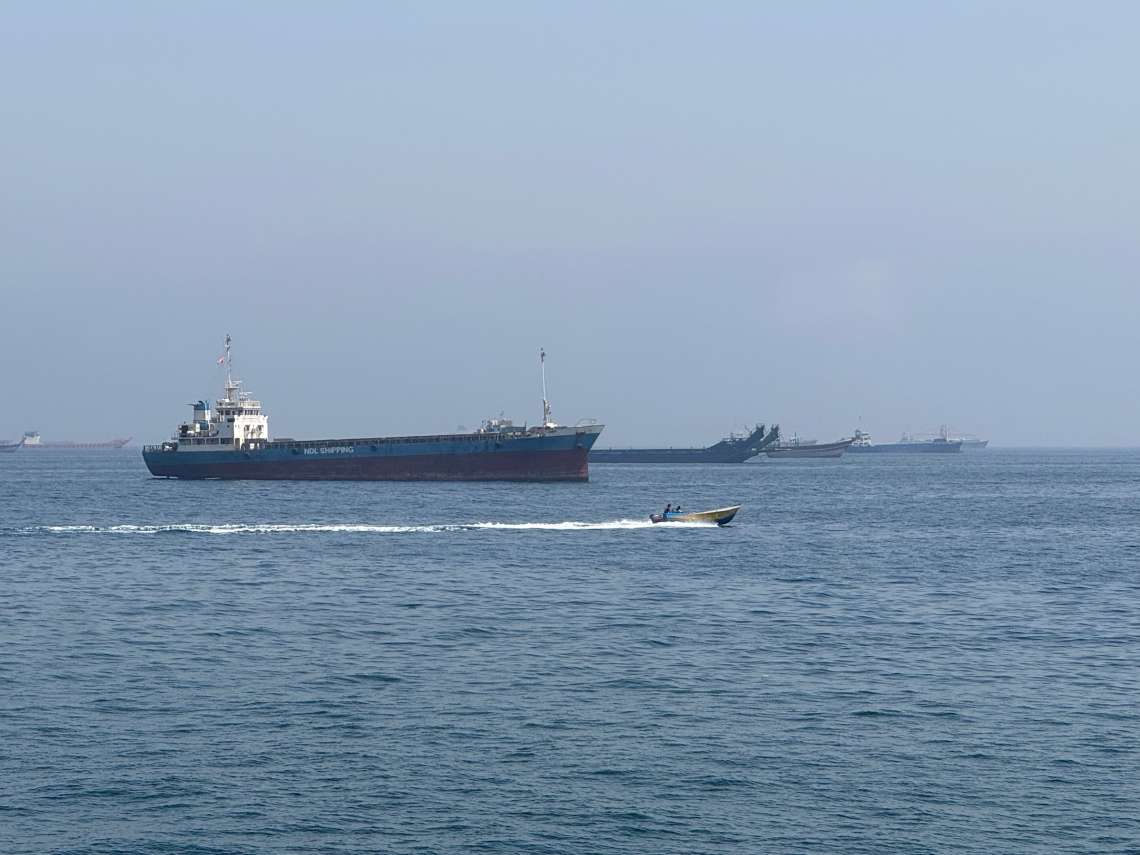
The Strait of Hormuz remains one of the world’s most important maritime trade routes. In peacetime, it carries around a fifth of global oil and liquefied natural gas shipments, alongside other commodities including fertiliser. Any disruption to traffic through the waterway has the potential to affect international energy markets and global supply chains.

Writing on X, Gargash said: “We’ve grown accustomed to Iranian bullying over long decades until it became part of the political landscape in the Arabian Gulf, and credibility has been lost between aggressive rhetoric and hollow declarations of friendship.”
He added that Iran was “trying to consecrate a new reality born from a clear military defeat”, referring to what he described as Tehran’s attempts to control the Strait of Hormuz.
Gargash also said that attempts to infringe on the UAE’s maritime sovereignty were “nothing but fragments of dreams”.
The senior Emirati official said Iran had lost credibility and trust in the region and argued that relations could only improve if Tehran respected the sovereignty of neighbouring states and adopted what he described as more responsible language.
The comments mark one of the strongest public criticisms from a senior UAE official in recent months over Iran’s conduct in the Gulf and its approach to regional security.
The latest tensions come amid continuing concerns among Gulf states and international shipping operators about freedom of navigation through the Strait of Hormuz. The route links the Gulf to the Arabian Sea and is regarded as essential to the global energy trade.
Earlier, ADNOC chief executive Sultan Al Jaber also criticised Iran’s position on the strait, warning of the wider consequences for international trade and energy security.
“It sets a dangerous precedent when a single country can hold the world’s most important waterway hostage. Freedom of navigation as we know it is effectively finished,” Al Jaber said.
He added that any closure of the Strait of Hormuz would represent “the most severe oil supply disruption on record”.
Iran has repeatedly warned in the past that it could restrict access to the strait during periods of heightened tension with Western countries or regional rivals, though shipping has continued through the route despite periodic incidents and confrontations.
The latest announcement regarding the PGSA has raised new questions over how Iran intends to enforce its position and whether additional measures could affect commercial shipping in the region. The UAE, alongside other Gulf countries, has long stressed the importance of maintaining secure and open navigation routes in the Gulf, particularly as regional economies remain closely tied to energy exports and international trade.
No immediate international response to Iran’s latest announcement was reported, although the issue is likely to be closely watched by global energy markets and governments with strategic interests in Gulf shipping lanes.