Anwar Gargash warns Iranian escalation has reshaped Gulf strategy, triggering lasting crisis of confidence and forcing a decisive reassessment of alliances, security, and regional narrative, reports Asian Lite Newsdesk
Anwar Gargash has described the recent Iranian aggression as a “decisive turning point” for the Gulf, warning that it has triggered a long-term crisis of confidence that will reshape regional dynamics for decades.
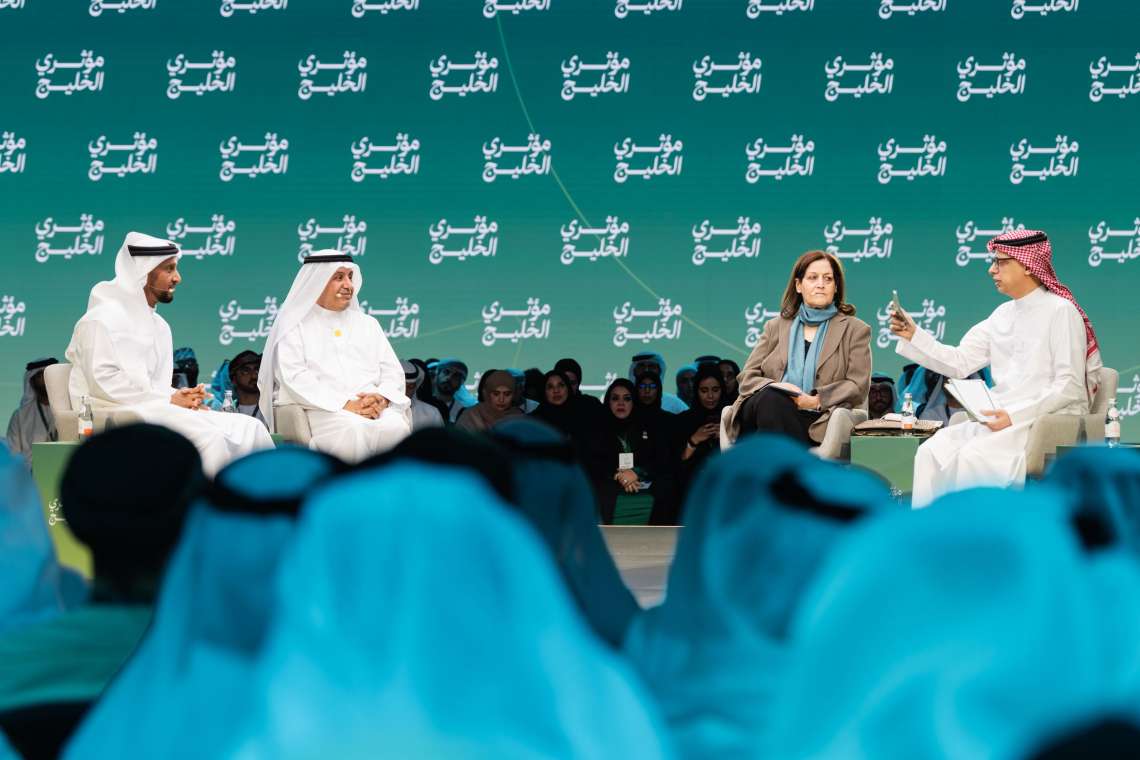
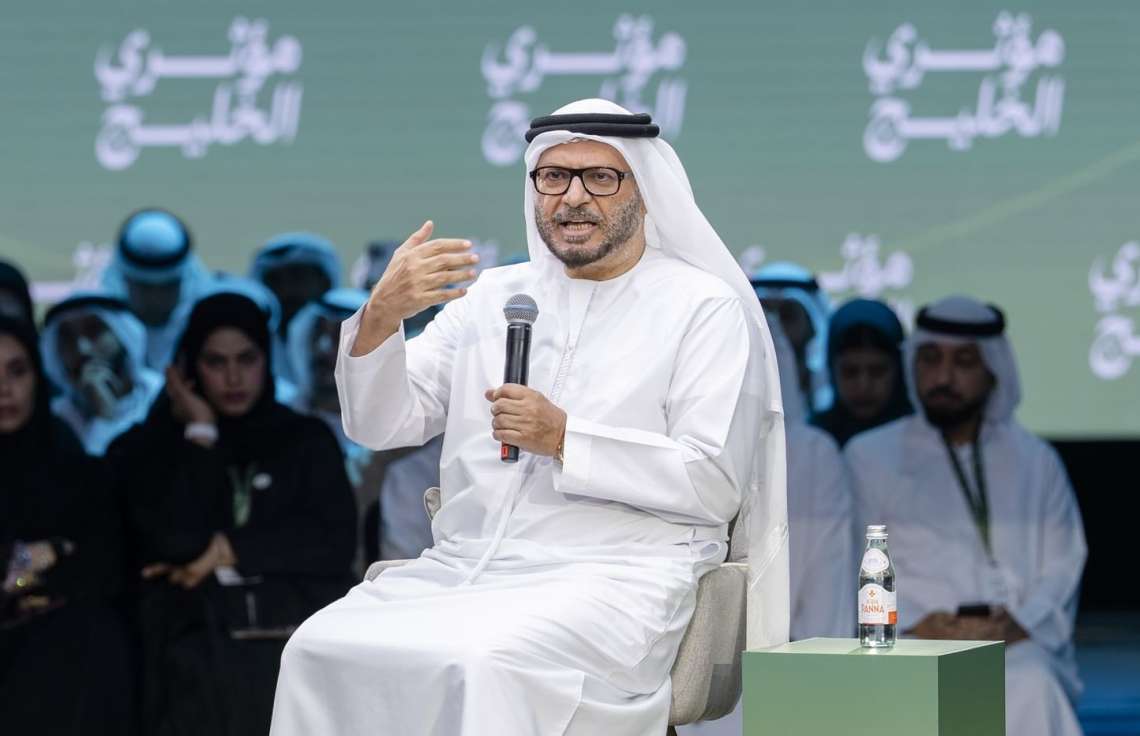
Speaking at a panel discussion in Dubai, Gargash said the escalation was “severe, deliberate and calculated”, arguing that its scale and execution pointed to prior planning rather than a spontaneous development. He stressed that the move came despite sustained Gulf efforts to avoid confrontation, including a unified regional position not to facilitate any hostile action against Iran.
The remarks were delivered during a session titled “Re-evaluating Alliances in Times of Tension” at the Gulf Creators event organised by the UAE Government Media Office at Atlantis The Palm. The event brought together more than 1,000 media professionals, analysts and content creators from across the Gulf to discuss the region’s evolving narrative and strategic priorities.
Gargash said the latest escalation marked an unprecedented break from previous patterns of engagement with Iran, exposing the limits of long-standing containment strategies pursued by Gulf states. He noted that while political engagement had dominated regional policy for more than two decades, recent developments had fundamentally altered the equation.
He also pointed to a noticeable dip in Gulf Cooperation Council cohesion during the crisis, describing it as one of the lowest levels of coordination seen in recent years. According to Gargash, this came despite the scale of the threat and the urgency for a unified response. He added that the reaction from the Arab League fell short of expectations, further highlighting structural challenges within the broader Arab security framework.
The UAE diplomat said the crisis had exposed deeper issues, including fragmentation in regional security approaches and diverging national priorities. At the same time, he underlined the continued importance of strategic alliances, particularly the role of the United States in maintaining stability and safeguarding shared interests in the Gulf.
Gargash argued that Iran could no longer be managed through traditional containment alone, signalling the need for a more comprehensive and realistic reassessment of Gulf relations. He warned that the region would not revert to its previous state, with the fallout creating a “deep and enduring” trust deficit that will influence policymaking for years to come.
He stressed that any reassessment must be firmly rooted in national interests and guided by strategic discipline, cautioning against external attempts to shape regional stability through ideological influence. The evolving situation, he added, has reinforced the urgency of building a clear and coherent Gulf narrative that reflects the region’s priorities.
Highlighting the role of media, Gargash said journalists, intellectuals and content creators would play a critical part in shaping perception and strengthening the Gulf’s position in an increasingly competitive global information landscape. A unified and credible narrative, he said, would be central to enhancing the region’s international influence.
Despite the challenges, Gargash emphasised that Gulf nations have demonstrated resilience and institutional strength. He pointed to leadership stability, social cohesion, economic diversification and a strong investment environment as key pillars underpinning the region’s durability.
He concluded that while the current crisis carries significant costs, it will also accelerate efforts to reinforce these strengths and invest in systems capable of mitigating future risks, signalling a more assertive and forward-looking phase in Gulf strategy.