Nearly a decade after the 2017 violence, Rohingya communities face worsening insecurity, shrinking protection and funding shortages…reports Asian Lite News Desk
United Nations Secretary-General Antonio Guterres has called for renewed global attention and urgent action to address the deepening crisis facing the Rohingya community, nearly a decade after the violence that forced hundreds of thousands to flee Myanmar.
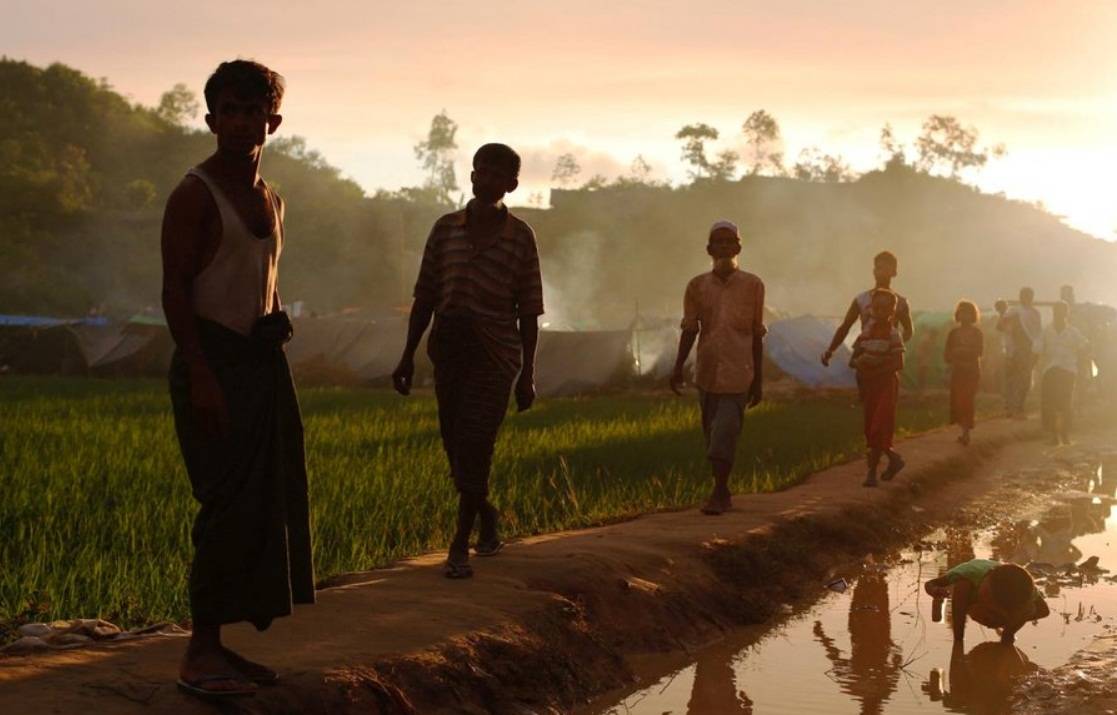
Guterres said Rohingya communities in Myanmar, Bangladesh and across the region continue to face worsening insecurity, shrinking protection space and limited prospects for a lasting solution, with funding cuts further affecting lifesaving humanitarian assistance.
“Nearly a decade since the horrific events of 2017, I call for renewed global attention & action to the plight of the Rohingya,” Guterres said in a post on X.
He urged the international community to strengthen collective efforts towards an inclusive and comprehensive political solution addressing the root causes of Myanmar’s prolonged crisis.
Guterres also stressed that humanitarian assistance, livelihood opportunities and support for self-reliance must continue until conditions allow Rohingya refugees to return voluntarily, safely, with dignity and sustainably.
More than 750,000 Rohingya fled Myanmar following the violence in 2017, which the UN described as a “textbook example of ethnic cleansing.” The crisis has since developed into one of the world’s largest and most protracted refugee emergencies.
Nearly one million Rohingya refugees are currently living in Bangladesh’s Cox’s Bazar, with limited prospects for a safe and durable return to Myanmar.
The UN and humanitarian organisations have repeatedly maintained that voluntary, safe, dignified and sustainable return to Myanmar remains the preferred long-term solution to the crisis.
Until conditions improve in Myanmar, continued international support remains critical to providing humanitarian assistance, protecting human rights and supporting both refugees and host communities, while helping preserve regional stability.