Military exchanges pause and commercial shipping resumes, but both sides remain divided over control of the strategic waterway….reports Asian Lite News Desk
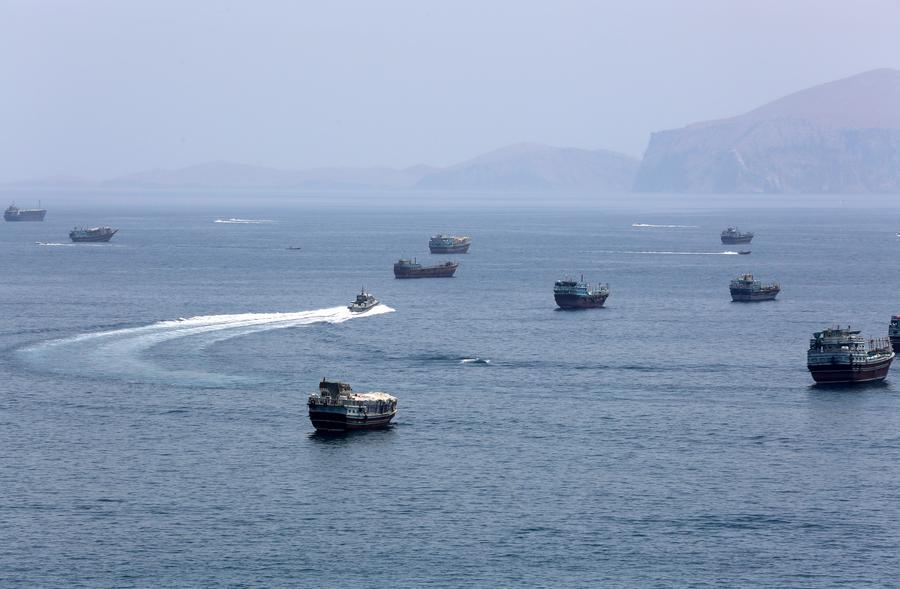
The United States and Iran have agreed to suspend military exchanges around the Strait of Hormuz and resume negotiations aimed at preserving a fragile ceasefire, offering cautious hope for de-escalation after days of hostilities that threatened one of the world’s busiest maritime trade routes.
According to reports in The Wall Street Journal, The New York Times and The Washington Post, officials from both countries indicated on Sunday that technical discussions would continue despite recent retaliatory strikes that had heightened fears of a wider regional conflict.
A US official told the American media outlets that both sides had agreed to halt attacks in and around the Strait, allowing commercial shipping to gradually resume.
“Both sides will stand down for now and vessels can move freely,” the official was quoted as saying.
The renewed diplomatic effort follows four days of military confrontation triggered by attacks on commercial vessels transiting the Strait of Hormuz. Washington blamed Tehran for the incidents and responded with strikes targeting Iranian military infrastructure. Iran retaliated by launching missiles and drones at US military installations in Bahrain and Kuwait, although US officials said the attacks caused little damage as most projectiles were intercepted or failed to reach their targets.
Despite the reported truce, significant disagreements remain over the future management of the strategic waterway.
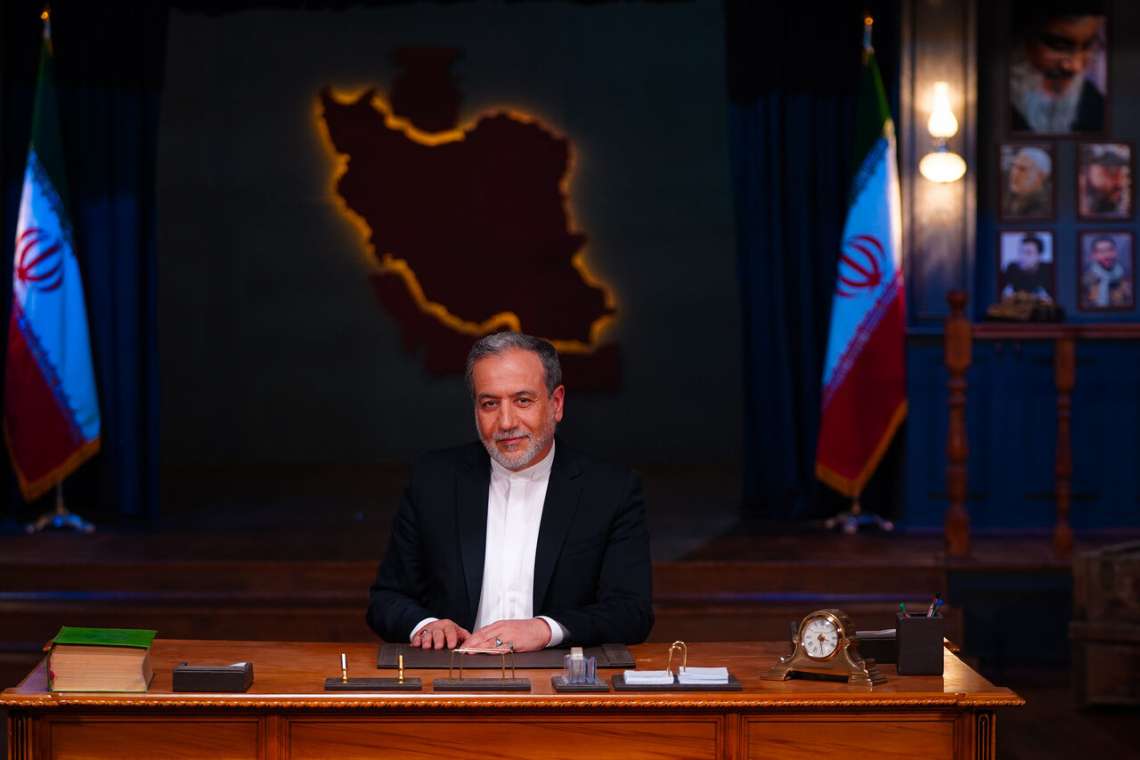
Iranian Foreign Minister Abbas Araghchi maintained that Tehran alone has authority over maritime traffic under the memorandum of understanding signed with Washington earlier this month.
Speaking at a news conference in Baghdad, Araghchi warned that any attempt by outside powers to alter the agreed arrangements would complicate efforts to restore normal shipping and delay the full reopening of the Strait.
The United States, however, has reiterated that freedom of navigation through the Strait must remain protected.
US Ambassador to the United Nations Mike Waltz warned that Washington would respond forcefully if Iran resumed attacks on commercial shipping.
“If the Iranian regime thinks for a second that President Trump is going to stand by while Iran continues to attack international shipping, they’re sadly mistaken,” Waltz said in an interview with Fox News.
President Donald Trump also renewed his warning to Tehran after authorising additional military strikes over the weekend, saying the US would take stronger action if necessary to safeguard international shipping and regional stability.
The recent confrontation briefly disrupted commercial traffic through the Strait of Hormuz, a vital chokepoint that handles nearly one-fifth of global seaborne oil exports. Oil prices edged higher during the crisis before stabilising as reports of the ceasefire emerged and shipping cautiously resumed.
According to US media reports, Washington and Tehran now intend to broaden negotiations beyond the immediate security situation, with future talks expected to focus on ensuring safe navigation through the Strait and addressing long-standing concerns over Iran’s nuclear programme.