UN health agency warns extreme heat is becoming the continent’s deadliest climate threat as 150 million people endure soaring temperatures….reports Asian Lite News Desk
More than 1,300 excess deaths have been linked to the ongoing heatwave sweeping across Europe since June 21, prompting the World Health Organization (WHO) to urge governments to strengthen emergency response measures as soaring temperatures continue to threaten millions.
WHO Director-General Tedros Adhanom Ghebreyesus said around 150 million people across Europe are currently experiencing extreme heat, with hundreds of heat-related deaths reported, schools forced to close, and power grids coming under severe strain.
Describing heat stress as a “silent killer,” Tedros warned that much of Europe’s housing, workplaces and public infrastructure were never designed to cope with prolonged periods of such intense heat.
Europe is now the world’s fastest-warming continent, heating at nearly twice the global average, with climate change making what were once considered rare heatwaves an almost annual occurrence, he noted.
Calling for urgent action, the WHO chief urged European governments to implement comprehensive heat-health action plans and strengthen preparedness to reduce the growing health risks posed by extreme weather.
The UN health agency is working with member states and partners to improve prevention strategies, emergency planning and healthcare responses to extreme heat, which has become one of the deadliest climate-related hazards.
Alongside its warning, the WHO has issued updated public health guidance to help people stay safe during periods of extreme heat.
The agency advises avoiding outdoor activities during the hottest hours of the day, seeking shade whenever possible and spending at least two to three hours daily in air-conditioned or otherwise cool environments.
To keep homes cooler, the WHO recommends ventilating buildings with cooler night air, closing windows and blinds during the day when outdoor temperatures exceed indoor levels, and switching off unnecessary electrical appliances to reduce indoor heat.
The guidance also cautions against relying solely on electric fans when temperatures rise above 40 degrees Celsius, noting that fans can worsen heat exposure under such conditions. For those using air conditioning, the WHO recommends setting thermostats to 27 degrees Celsius while using a fan to improve cooling efficiency and reduce electricity consumption.
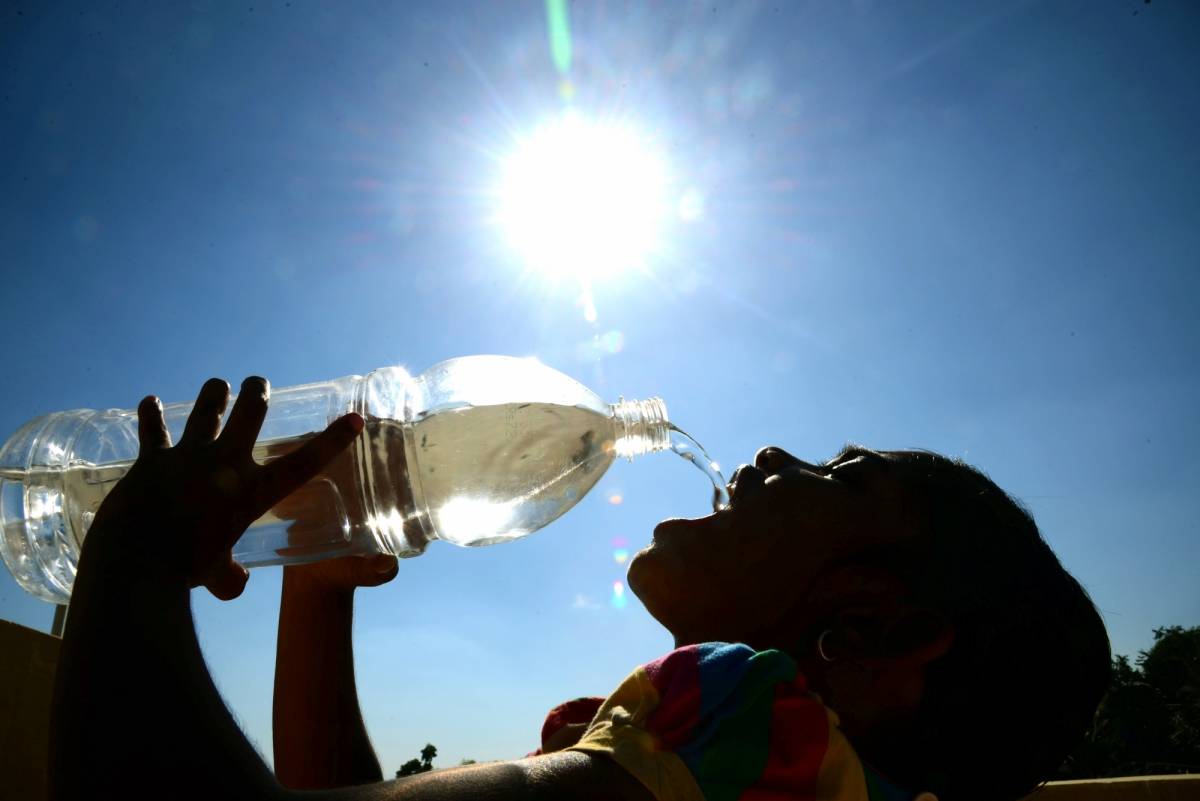
People are also encouraged to stay hydrated by drinking water regularly—around one cup every hour and two to three litres daily—while wearing lightweight clothing, taking cool showers and using damp cloths or sprays to lower body temperature.
The WHO has stressed the importance of checking regularly on vulnerable groups, including older adults, people with heart, lung or kidney diseases, individuals with disabilities, and those living alone.
It also warned against leaving children or pets inside parked vehicles, avoiding direct exposure to the midday sun, and covering infant strollers with dry fabric, which can trap heat. Instead, caregivers are advised to use a thin, damp cloth and keep it moist to help keep infants cool.
Health experts warn that with climate change driving increasingly frequent and intense heatwaves, Europe must adapt quickly to reduce the growing toll of heat-related illness and deaths.