Secretary of State Marco Rubio warned that Washington could impose further measures and called on other countries to withdraw support for the court…reports Asian Lite News Desk
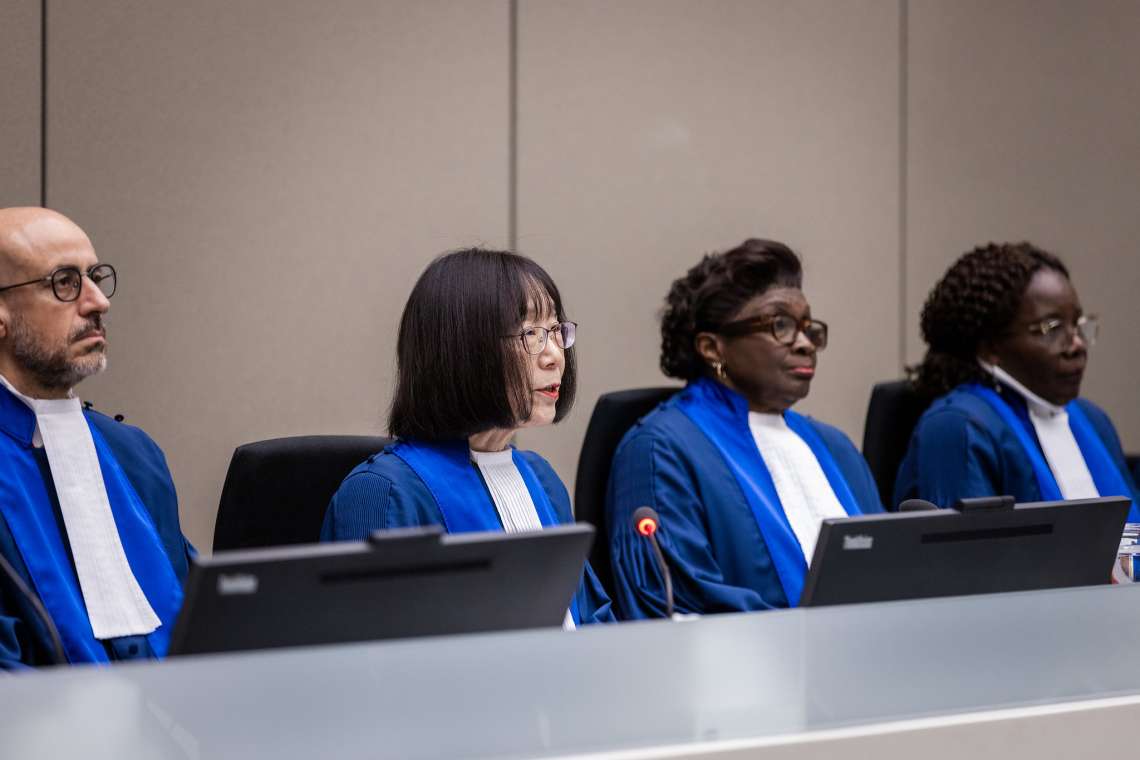
The United States has imposed sanctions on International Criminal Court President Tomoko Akane and senior trial lawyer Abdoulaye Seye, escalating the Trump administration’s campaign against the tribunal and warning that further measures could follow.
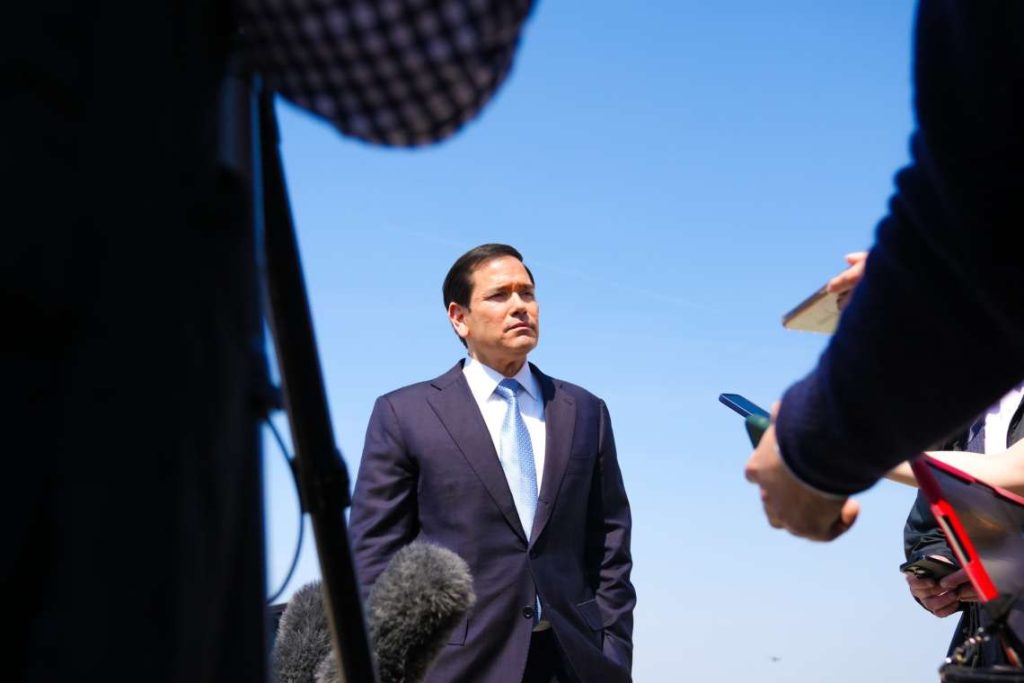
US Secretary of State Marco Rubio said Akane, a Japanese national, and Seye, from Senegal, were designated under an executive order authorising sanctions against the ICC.
Rubio accused both officials of involvement in ICC investigations and prosecutions targeting officials from countries that have not accepted the court’s jurisdiction.
“These individuals have directly engaged in efforts by the ICC to investigate, arrest, detain, or prosecute officials whose government has not consented to ICC jurisdiction,” he said in a statement.
The sanctions were imposed under Section 1(a)(ii)(A) of Executive Order 14203, titled “Imposing Sanctions on the International Criminal Court”, according to the US State Department.
The latest action marks a further escalation in Washington’s confrontation with the Hague-based court. The Trump administration has accused the ICC of exceeding its authority and has urged governments to withdraw financial and political support for the institution.
“The Trump Administration has been clear: the International Criminal Court (ICC) is a corrupt and fatally politicized supranational court that has maliciously abused its authority and exceeded its mandate,” Rubio said. “We will not tolerate its assault on state sovereignty.”
Rubio said the sanctions formed part of a broader diplomatic campaign launched by the administration last month in response to what Washington considers an abuse of the court’s powers.
A central US objection is the ICC’s assertion of jurisdiction over individuals from countries that have not accepted the court’s authority or ratified the Rome Statute, the treaty that established the tribunal.
“The ICC has repeatedly attempted to assert authority over nationals of the United States and other countries that have not consented to its jurisdiction or ratified the Rome Statute,” Rubio said. “This sets a dangerous precedent for all nations.”
The US Secretary of State indicated that the latest sanctions would not be the final step in the administration’s campaign.
He said Washington was pursuing a government-wide effort aimed at restricting the ICC’s ability to take action against US citizens and nationals of other countries that are not parties to the Rome Statute.
“Our whole of government campaign to dismantle the threat posed by the ICC to national sovereignty will be sweeping and we expect more countries to join our campaign by ending their funding and participation in this politicized and unaccountable court,” Rubio said.
“The ICC’s ability to target American nationals and those of other non-States Parties must end,” he added.
Rubio also warned that Washington was prepared to introduce additional measures if it believed they were necessary.
“The Trump Administration stands ready to take additional measures, if necessary, to systematically dismantle the ICC until it is incapable of threatening American sovereignty,” he said.
The sanctions represent a significant expansion of US pressure on the ICC and its officials. They also deepen a longstanding dispute between Washington and the court over the extent of the tribunal’s jurisdiction.
The ICC is based in The Hague and was established under the Rome Statute, which entered into force in 2002. The court prosecutes individuals accused of genocide, crimes against humanity, war crimes and the crime of aggression, subject to the limits of its jurisdiction and the principle that national authorities are unable or unwilling to genuinely investigate or prosecute such crimes.
The United States is not a party to the Rome Statute and has consistently disputed the ICC’s jurisdiction over US nationals.
The latest designations come as the Trump administration seeks to pressure the court internationally, with Rubio calling on other countries to reconsider their financial and political support for the tribunal.
Washington’s warning of further sanctions suggests the confrontation could expand beyond individual ICC officials as the administration pursues its stated objective of limiting the court’s ability to act against US citizens and nationals of other non-member states.