The decision underscores a broader hardening of Washington’s stance on oversight, migration and foreign aid under the Trump administration…reports Asian Lite News
The United States has suspended all assistance that benefits Somalia’s federal government following allegations that Somali officials destroyed an American-funded warehouse belonging to the World Food Program and seized 76 metric tons of food aid intended for impoverished civilians, according to the United States Department of State. The move marks a sharp escalation in Washington’s response to what it says is unacceptable interference with life-saving humanitarian assistance in one of the world’s poorest and most fragile countries.
In a statement, the State Department said: “The Trump Administration has a zero-tolerance policy for waste, theft, and diversion of life-saving assistance.” It added: “The State Department has paused all ongoing US assistance programs which benefit the Somali Federal Government. Any resumption of assistance will be dependent upon the Somali Federal Government, taking accountability for its unacceptable actions and taking appropriate remedial steps.” The language signalled that the freeze is open-ended and conditional, placing the burden on Mogadishu to demonstrate compliance and accountability before funds are restored.
The suspension comes against the backdrop of a wider hardening of policy by President Donald Trump’s administration towards Somalia and the Somali diaspora. In recent months, the administration has ratcheted up criticism of Somali refugees and migrants in the United States, including over well-publicised fraud allegations involving child care centres in Minnesota. It has also imposed significant restrictions on Somalis seeking to enter the US and made it more difficult for those already in the country to regularise or maintain their status, tying domestic immigration debates more closely to foreign policy decisions.
It was not immediately clear how much assistance would be affected by the suspension. The Trump administration has already slashed foreign aid spending, dismantled the US Agency for International Development and has not released updated, country-by-country data on remaining programmes. This lack of transparency has complicated efforts by aid agencies and analysts to assess the immediate humanitarian and political impact of the decision.
During the final year of Democratic President Joe Biden’s administration, the US provided about $770 million in assistance for projects in Somalia, according to official figures. Only a fraction of that funding went directly to the Somali government, with much of the remainder channelled through UN agencies and non-governmental organisations for humanitarian relief, security support and development projects. Even so, US funds have long been a critical pillar of Somalia’s fragile aid-dependent economy.
A senior State Department official said on Wednesday that the department is “undertaking a thoughtful and individualized review to determine which ongoing assistance programs directly or indirectly benefit the Somali Federal Government and to take appropriate actions to pause, redirect or terminate such programs.” The official said Somalia had long been “a black hole of poorly overseen US assistance” and that the administration was moving to terminate programmes considered vulnerable to fraud and diversion.
According to the official, the suspension was ordered after authorities at Mogadishu Port demolished the WFP warehouse at the direction of President Hassan Sheikh Mohamud “with no prior notification or coordination with international donor countries, including the United States.” The official spoke on condition of anonymity to discuss private reporting from American diplomats in the region, underscoring the sensitivity of the episode and the strain it has placed on relations between Washington and Mogadishu.
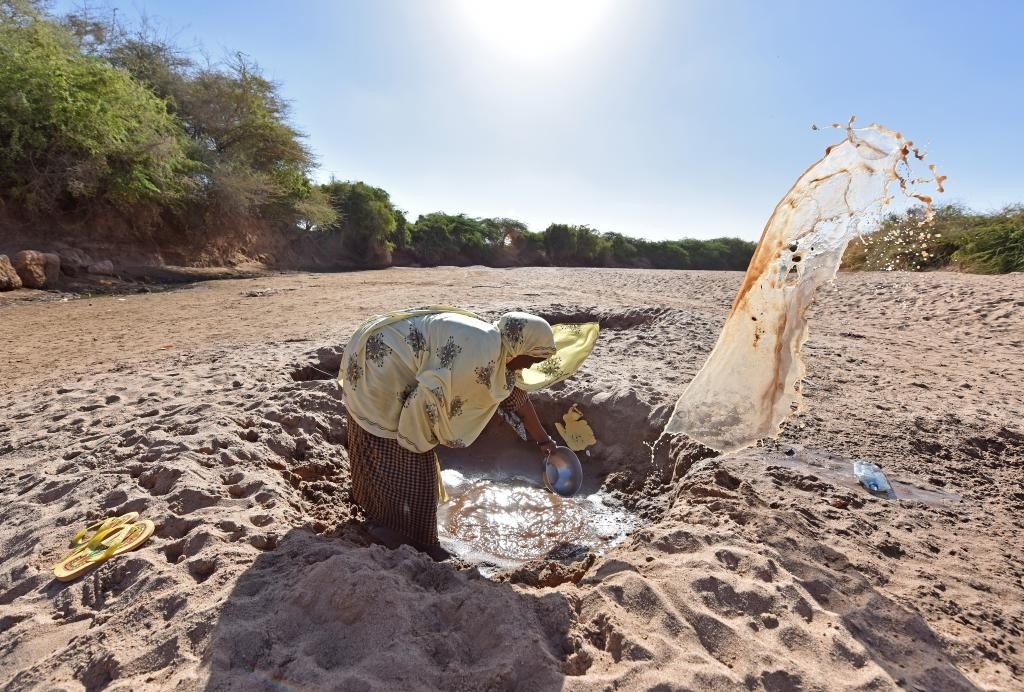
Somali officials have not publicly responded to the specific allegations outlined by the State Department. Aid organisations, however, have warned that any prolonged disruption to assistance risks worsening already dire humanitarian conditions. Located in the Horn of Africa, Somalia has endured decades of conflict, political instability and insecurity, compounded by repeated natural disasters including severe droughts. Millions of people remain dependent on food aid and emergency relief to survive.
The suspension highlights the increasingly transactional nature of US foreign assistance under the current administration, with strict conditions attached to continued support. It also raises questions about how humanitarian aid can be insulated from political disputes in conflict-affected states. While Washington insists the pause targets only programmes benefiting the federal government, critics fear the knock-on effects could be felt by civilians if aid pipelines are disrupted or delayed.
For Somalia’s leadership, the decision represents both a diplomatic setback and a financial blow at a time when the country is seeking greater international support to stabilise its economy and security situation. For the United States, it is a clear signal that allegations of mismanagement or interference with donor-funded aid will carry swift consequences, even in countries where humanitarian needs are acute and longstanding.