The threat signals a sharpening divide between the United States and several European allies over the pace and framing of the global energy transition…reports Asian Lite News
The United States has renewed its threat to withdraw from the International Energy Agency, escalating tensions over the organisation’s climate-focused agenda and its long-term net-zero ambitions.
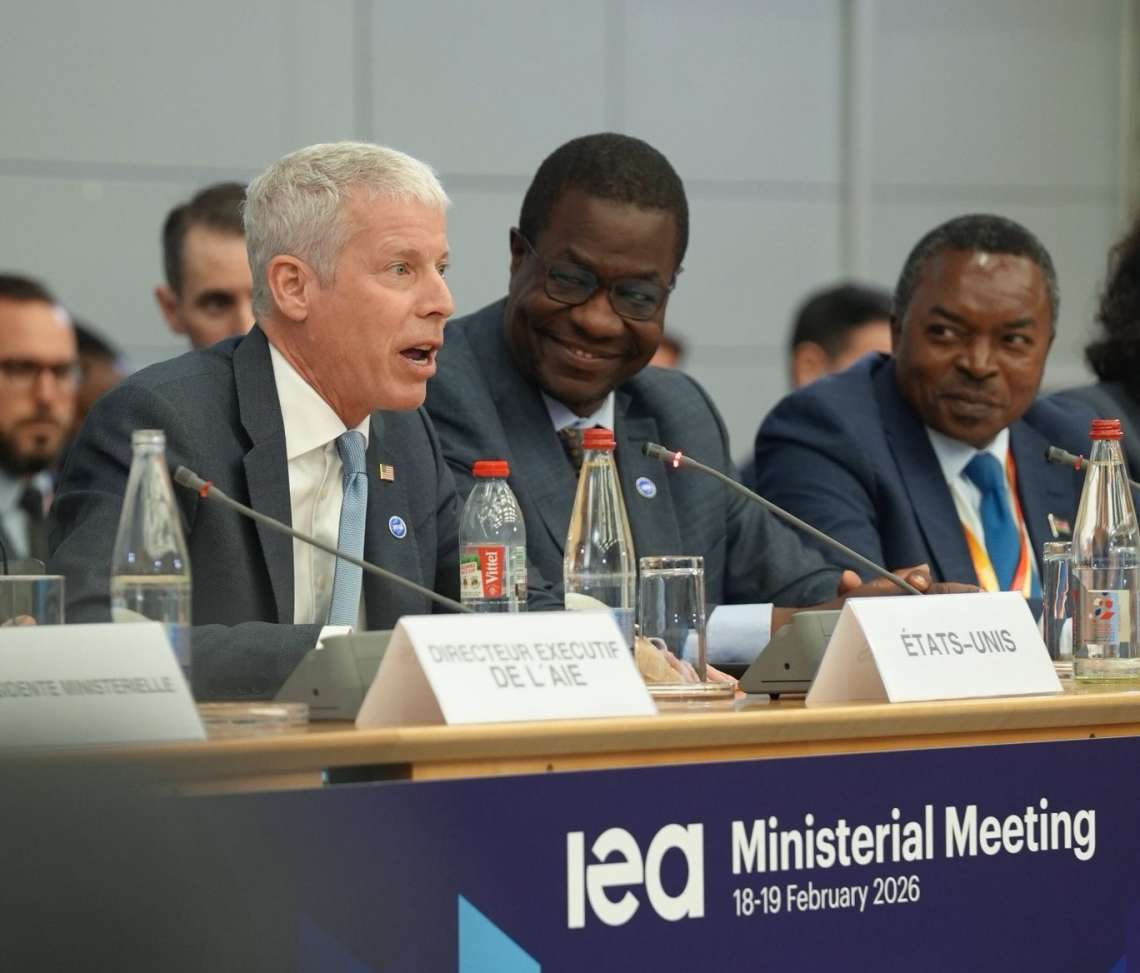
Speaking at the close of a ministerial meeting in Paris, US Energy Secretary Chris Wright said Washington would push the 52-year-old agency to “move away” from what he described as an overemphasis on climate targets. If the agency fails to refocus on what he called its core mandate of energy security and access, the United States could reconsider its membership “in the next year or so”.
The IEA was founded in 1974 in the aftermath of the global oil crisis, with a mission to coordinate collective responses to supply disruptions and strengthen energy security among industrialised nations. In recent years, however, the agency has taken a leading role in shaping global energy transition policy, including advocating for net-zero carbon emissions by 2050 to limit climate change.
Wright argued that the organisation has drifted from its original purpose. He said the United States would use “all the pressure” at its disposal to steer the agency back towards what he termed “energy honesty, energy access and energy security”. Without such a shift, he warned, Washington could become an “ex-member”.
The remarks signal a sharpening divide between the United States and several European allies over the pace and framing of the global energy transition. While many member countries view net-zero planning as central to long-term energy stability, critics within Washington argue that aggressive climate targets risk undermining affordability and supply resilience, particularly at a time of geopolitical instability and volatile energy markets.
A US withdrawal from the IEA would mark a significant break. As one of the agency’s largest members and funders, Washington has historically played a pivotal role in shaping its strategic direction. Any departure could alter the balance of influence within the Paris-based body and send ripples through international energy diplomacy.
For now, the threat remains conditional. But the timeline outlined by Wright suggests that debates over the agency’s mission — and the broader balance between climate ambition and energy security — are likely to intensify in the coming months.