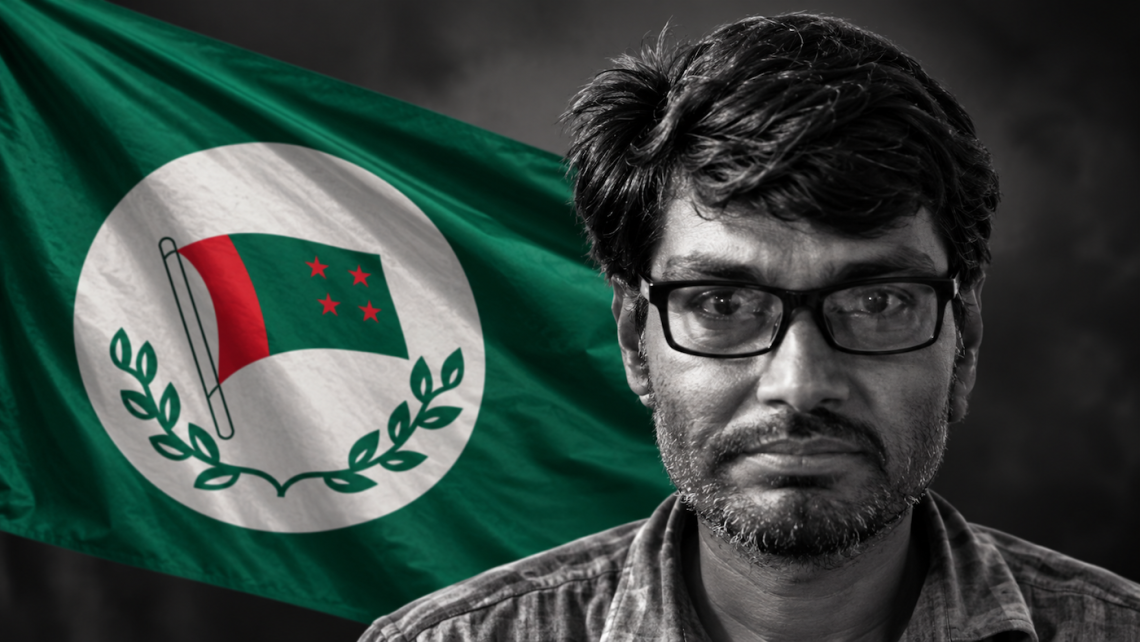
Rahman’s appeal came as the Bangladesh Nationalist Party delivered a sweeping victory in national elections…reports Asian Lite News
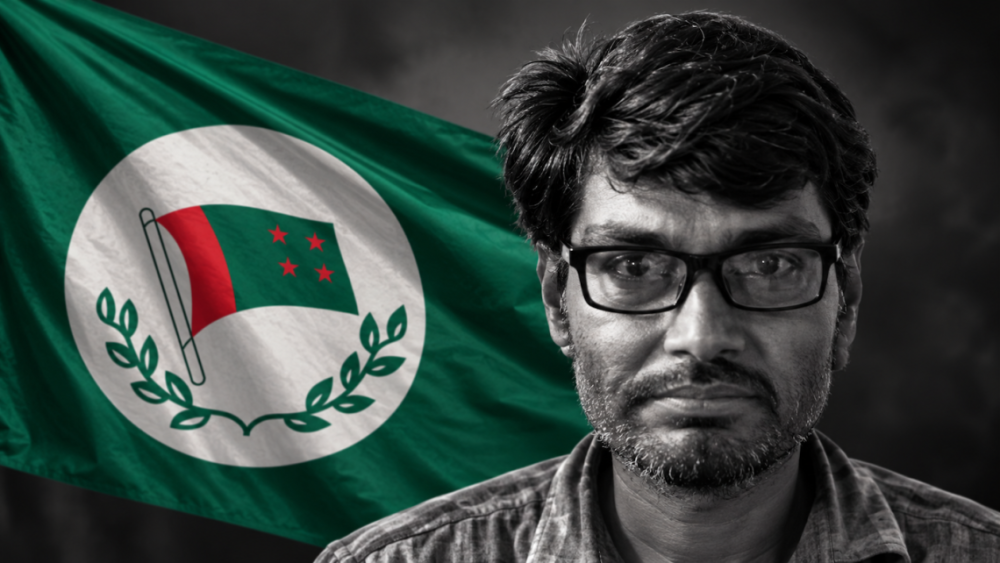
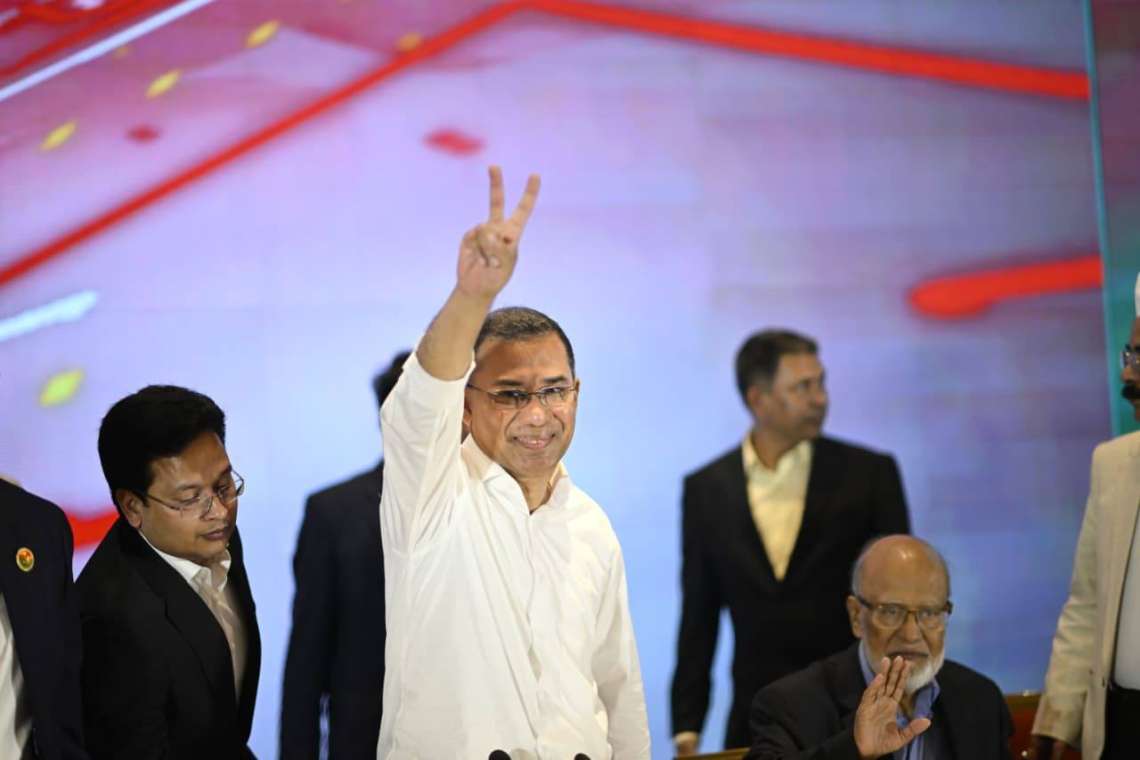
Following the BNP’s decisive parliamentary election victory, BNP chief Tarique Rahman emphasised national cohesion, describing the result as a renewed mandate for democratic values.
Addressing the nation following the announcement of results, Rahman appealed for reconciliation across political divides. “Our paths and opinions may differ, but in the interest of the country, we must remain united,” he said, underscoring the need for collective purpose.
Emphasising the broader significance of unity, he added, “I firmly believe that national unity is a collective strength, while division is a weakness,” linking his message directly to the responsibilities facing the country after the polls.
His appeal came as the Bangladesh Nationalist Party registered a sweeping performance in elections held on Thursday, the first national vote since the violent 2024 uprising that led to the removal of former prime minister Sheikh Hasina.

Reflecting the scale of the mandate, figures released by the Election Commission showed the BNP-led alliance securing 212 seats, while the Jamaat-e-Islami-led bloc won 77. Hasina’s Bangladesh Awami League was barred from taking part in the elections.
Against this backdrop, Rahman opened his speech by thanking supporters and describing the verdict as an endorsement of democratic aspirations. “Freedom loving pro-democracy people of the country have once again brought victory to the Bangladesh Nationalist Party,” he said.
He further stated, “This victory belongs to Bangladesh, belongs to democracy, this victory belongs to people who aspired to and have sacrificed for democracy,” connecting the electoral outcome with what he characterised as a collective struggle for democratic restoration.
Even as he welcomed the results, Rahman cautioned that the incoming administration would face serious challenges. “We have paved the way for the establishment of democracy in the country,” he said.
Highlighting the difficulties ahead, he added, “We are about to begin our journey in a situation marked by a fragile economy left behind by an authoritarian regime, weakening constitutional and structural institutions and destroying law and order.”
The outcome represents a notable political resurgence for the 60-year-old leader, who returned to Bangladesh in December after 17 years in exile in Britain and re-entered national politics at a critical juncture.
Rahman is the son of former president Ziaur Rahman, who was assassinated in 1981, and former prime minister Khaleda Zia, a three-time officeholder and longstanding figure in Bangladesh’s political landscape.
Meanwhile, the members elected in Bangladesh’s 13th National Parliamentary Election are set to take their oath of office on Tuesday, February 17, according to local media reports.
The swearing-in ceremony will be administered in the morning by Chief Election Commissioner A.M.M. Nasir Uddin.
Multiple sources from the interim government’s chief advisor’s office, the law ministry, and the Bangladesh Nationalist Party (BNP), which is poised to form the next government, confirmed the development to the leading Bangladeshi daily Prothom Alo.
The 13th parliamentary election was conducted on Thursday, and the Election Commission published the official gazette notification of the victorious candidates on Friday night.
Preparations for the oath-taking ceremony are already underway at the Jatiya Sangsad secretariat. Traditionally, the ceremony is held in the designated oath room at the Jatiya Sangsad Bhaban.
Jatiya Sangsad secretariat secretary Kaniz Moula said that arrangements are being made for the oath-taking ceremony on Tuesday evening, February 17.
Polling was held for 299 of the 300 seats in the 13th parliamentary election on February 12.
The Election Commission declared unofficial results for 297 constituencies. However, the gazette notifications for Chattogram-2 and Chattogram-4 have not yet been issued following a directive from the High Court.
According to the results announced so far, the BNP won 209 out of 297 seats in the February 12 election, with its candidates leading in the two constituencies, including Chattogram-2 and 4, where results have been withheld. Their allies have claimed three seats.
On the other hand, Jamaat-e-Islami has won 68 seats, while the partners in the Jamaat-led 11-party electoral alliance secured nine seats. Islami Andolan Bangladesh (IAB) claimed one seat, and independent candidates won in seven constituencies, Prothom Alo reported.
With Tarique Rahman now set to lead Bangladesh – the country last saw a male PM almost 35 years ago – experts warn that the nation faces a massive challenge of overcoming the unrest and rising Islamist extremism that marked the 18-month tenure of the Muhammad Yunus-led interim government.
–