Mahmoud Abbas warns that Israeli policies threaten Palestinian existence as he rejects displacement, backs a two-state solution and urges faster implementation of Gaza’s peace plan…reports Arab Daily News Desk
Palestinian President Mahmoud Abbas has told the UN General Assembly that Palestinians will not leave their homeland or accept displacement, as he accused Israel of threatening the future of a two-state solution.
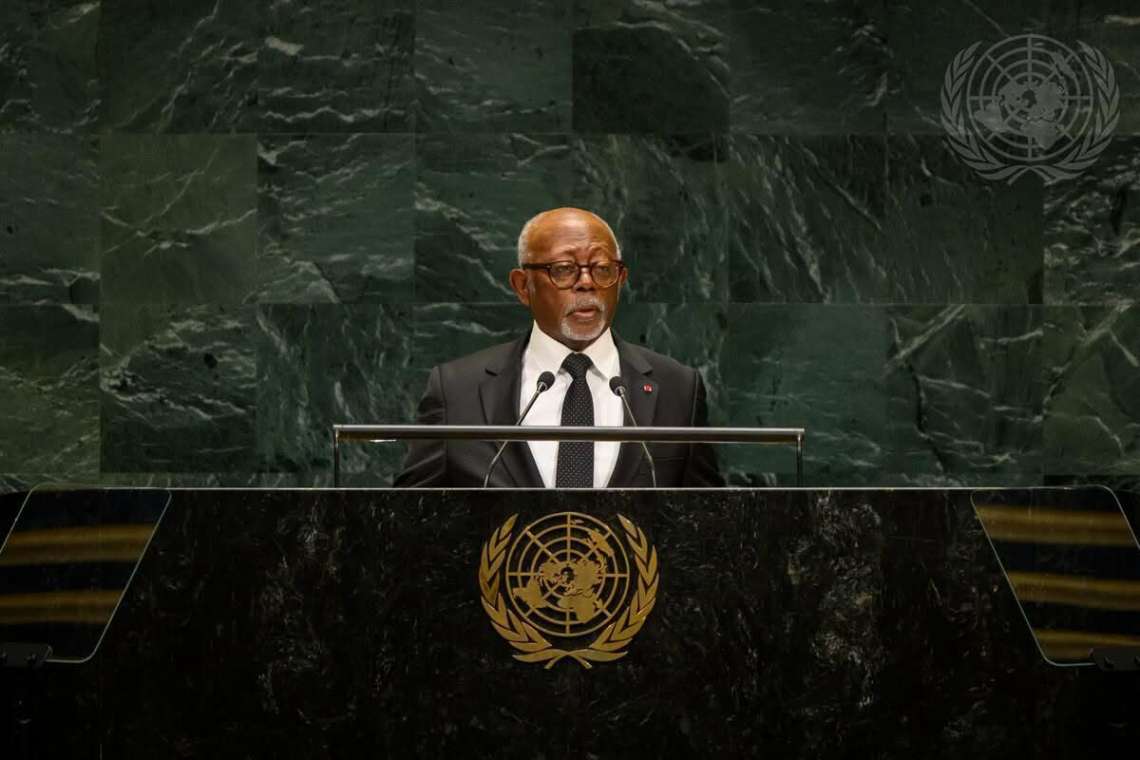
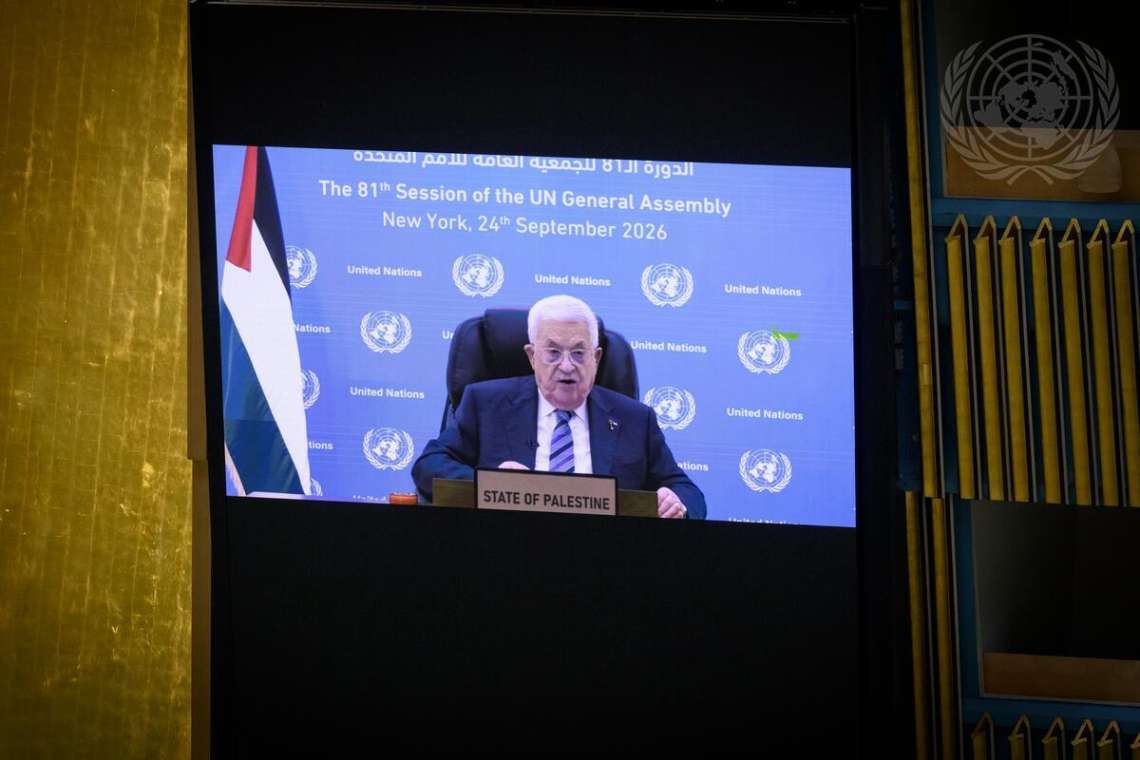
In a recorded address from Ramallah on Thursday, Abbas described the situation in Gaza and the occupied West Bank as one of the most dangerous periods in Palestinian history, citing what he called killing, destruction, starvation and attempts to displace Palestinians.
“The Palestinian people will remain on their land. They will not accept displacement, and they will not disappear,” Abbas said in his speech.
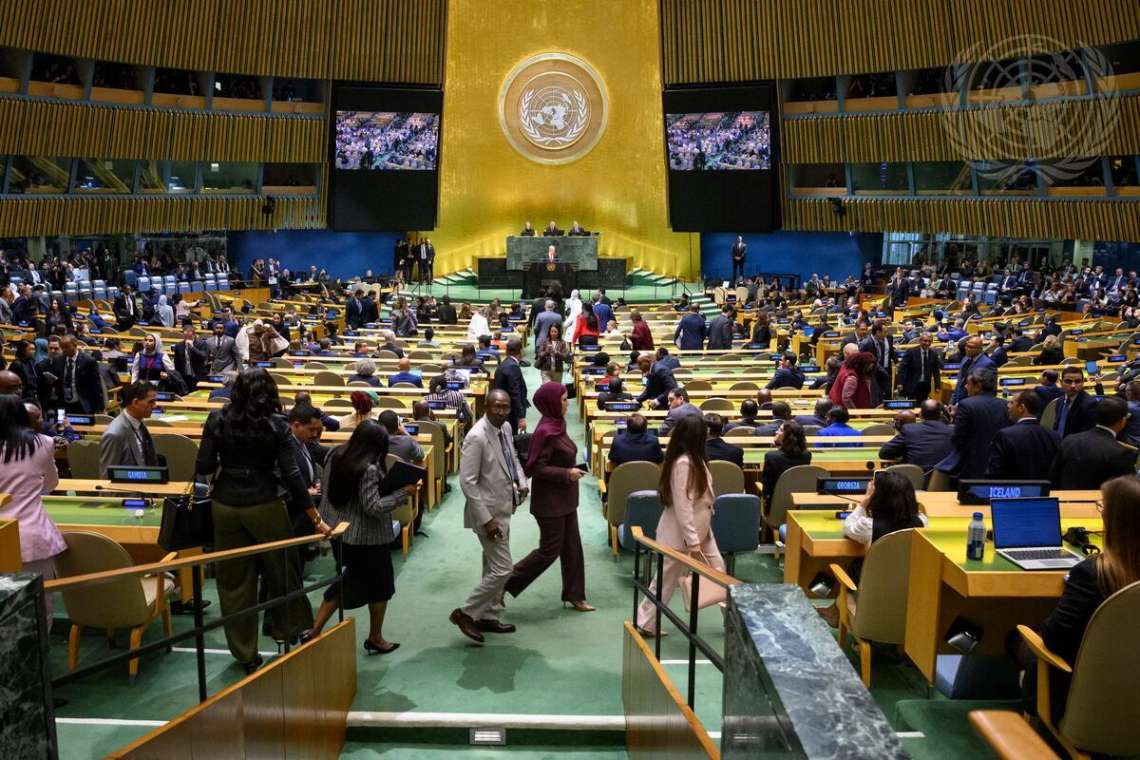
His address came hours before Israeli Prime Minister Benjamin Netanyahu was due to speak at the General Assembly, setting out sharply contrasting Palestinian and Israeli accounts of the conflict.
Abbas accused Israel of pursuing what he described as a “malicious colonial plan” in the West Bank, pointing to settlement expansion, land confiscation, demolitions and settler violence. He warned that the threat had moved beyond preventing the creation of a Palestinian state.
“It has now come to threaten the very life and existence of the Palestinian people on their homeland,” he said.
Abbas also warned against what he called another Nakba, referring to the mass displacement of Palestinians during the 1948 war.
He urged the international community to prevent further displacement and preserve Palestinian communities and territory as the basis for a future state.
The Palestinian leader reiterated his support for a two-state settlement, saying Palestinians wanted a democratic and non-militarised state that respected the rule of law and human rights and lived alongside Israel in peace and security.
He said saving the two-state solution required preserving the land on which a Palestinian state would be established and protecting the people living there.
Abbas also backed the principle of a US-led plan for Gaza, including the establishment of a Board of Peace and the reconstruction of the territory. He called for faster implementation of the next phase of the plan and warned that any transitional arrangement should not become permanent.
He said Gaza and the West Bank should ultimately be reunited under a single Palestinian state, with legitimate Palestinian institutions responsible for governance and security.
Abbas also said the Palestinian Authority had completed a reform programme covering areas including public finance, social protection and education. He announced plans for legislative elections on November 28, with further steps towards renewing Palestinian institutions and holding presidential elections.
He called on countries that have not recognised Palestine to do so and said 160 countries had now recognised the State of Palestine. He also renewed the Palestinian demand for full UN membership.
The address was delivered by video after the United States refused to grant Abbas and other Palestinian officials visas to attend the General Assembly in New York for the second consecutive year. The US has cited Palestinian actions that it says undermine efforts towards a negotiated settlement. Palestinian officials have rejected that justification.
Abbas also condemned terrorism and antisemitism and said Palestinians wanted peace based on international law and mutual security.
His speech came as the UN continued to debate the future of Gaza and the prospects for a two-state settlement. UN Secretary-General António Guterres has separately warned that accelerating Israeli settlement activity, land seizures, demolitions and displacement in the occupied West Bank are undermining the prospects for a viable Palestinian state.
Abbas ended his address with a direct message to Palestinians in the homeland and diaspora: “We will not leave our homeland. We will not accept displacement. We will not allow anyone to decide our future on our behalf.”