Tata Trusts has begun the search for N Chandrasekaran’s successor, setting up a selection panel as the Tata Group prepares for a major leadership transition, reports Asian Lite News Desk
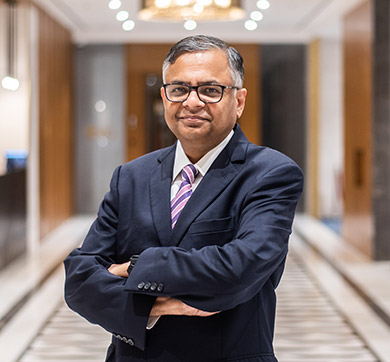
Tata Trusts has formally set the succession process in motion for Tata Sons chairman N Chandrasekaran, with the Sir Dorabji Tata Trust approving the creation of a selection committee to recommend his successor as the conglomerate prepares for a major leadership transition.
The move follows Chandrasekaran’s decision last week not to seek reappointment when his current term expires on February 20, 2027. The decision ended months of uncertainty over his continuation at the helm of Tata Sons, the holding company of the Tata Group.
The Sir Dorabji Tata Trust, the principal shareholder in Tata Sons through Tata Trusts, said its trustees had passed a resolution to initiate the process of constituting a selection committee in accordance with the Articles of Association of Tata Sons.
The Trust said it respected Chandrasekaran’s decision and placed on record its appreciation for his leadership of the group. It also pledged support for a “smooth, timely and orderly transition” consistent with the long-term interests and values of Tata Sons and the Tata Group.
Under changes made to Tata Sons’ Articles of Association in 2022, the selection committee is expected to comprise five members. The Sir Dorabji Tata Trust and Sir Ratan Tata Trust can jointly nominate three members, while one member is nominated by the Tata Sons board and another is an independent expert. The committee recommends a candidate, with the final appointment subject to the requirements set out in the company’s Articles.
Noel Tata, chairman of Tata Trusts, is expected to play an important role in the succession exercise. Reuters reported that Noel has emerged as a key power centre within the group following his appointment as chairman of Tata Trusts after the death of his half-brother Ratan Tata in 2024. He is now positioned to influence both the selection of the next Tata Sons chairman and the continuing debate over the future structure of the holding company.
The succession process is expected to focus initially on experienced Tata executives. Reports have mentioned Tata Steel chief executive T V Narendran among potential contenders, while other internal candidates are also being discussed. Shailesh Chandra, managing director of Tata Motors Passenger Vehicles, has also been reported as being among names considered, although no formal shortlist has been announced.
People familiar with the process have indicated that Tata Trusts could seek to identify a successor by the end of 2026, with the formal selection exercise potentially taking around six to eight weeks once the committee is constituted.
The leadership change comes at a critical point for the Tata Group. Under Chandrasekaran, the conglomerate expanded aggressively into areas including aviation, electronics manufacturing and digital businesses, while Tata Sons took control of Air India and pursued major investments in semiconductors and other new industries.
The next chairman will therefore inherit a group facing substantial strategic and financial decisions, including the performance and restructuring of Air India, investments in new businesses and questions surrounding the possible listing of Tata Sons. The Financial Times reported that the group is simultaneously dealing with large-scale projects including Air India’s fleet expansion and a major semiconductor facility.
Chandrasekaran, who joined Tata Consultancy Services as an intern in 1987, became its chief executive in 2009 before taking over as Tata Sons chairman in 2017. He has spent about four decades within the Tata Group and has chaired several major group companies during his tenure.
His decision to leave followed a prolonged disagreement over his reappointment. Chandrasekaran said the proposal for another five-year term had received unanimous backing from the Sir Dorabji Tata Trust and Sir Ratan Tata Trust, as well as support from the Tata Sons Nomination and Remuneration Committee and the board. However, the proposal failed to secure unanimous support from the board after one director declined to back it.
He subsequently told the board that the continuing uncertainty made it necessary to establish clarity over leadership beyond February 2027, particularly as Tata Sons is pursuing several strategic initiatives.
The episode has also unsettled investors. Tata Group stocks suffered a sharp sell-off immediately after Chandrasekaran’s announcement, with the combined market capitalisation of 17 listed Tata companies falling by more than Rs 68,000 crore on August 12. Tata Consultancy Services accounted for the largest portion of the decline, losing more than Rs 42,000 crore in market value that day.
However, the stocks stabilised the following day, with Tata Consumer Products and Tata Motors among the group companies leading gains.
The succession exercise is unfolding alongside another complication involving the Tata Sons annual general meeting scheduled for August 18. The meeting could face a quorum issue because the Sir Ratan Tata Trust has been unable to hold a board meeting to nominate a representative jointly with the Sir Dorabji Tata Trust following regulatory action by the Maharashtra charity authorities. The two trusts together hold a substantial majority stake in Tata Sons.
For Tata, the immediate priority is now to avoid another prolonged leadership vacuum and ensure a smooth handover before Chandrasekaran’s term ends next February. The selection of his successor will also test the balance between the Tata Trusts, which control the holding company, and the professional management running the sprawling conglomerate.
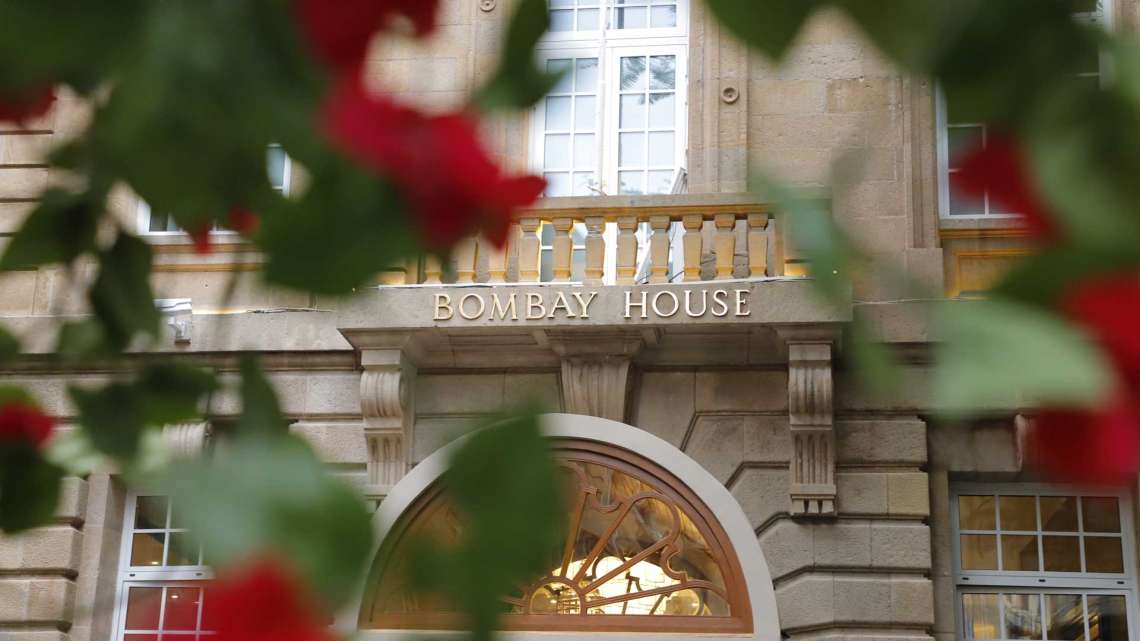
The process could ultimately determine not only who occupies the chairman’s office at Bombay House but also the strategic direction of the Tata Group in the years following Chandrasekaran’s nearly decade-long tenure.