India’s largest conglomerate is exploring defence exports to Africa and Europe as New Delhi pushes to turn domestic arms production into a global industry. The move reflects a decade of policy reforms aimed at reducing import dependence and building export capacity…reports Asian Lite News
Tata Sons’ defence division is in talks to supply military hardware to African and European nations, underlining India’s ambitions to expand arms exports and build a globally competitive defence manufacturing base, the Financial Times reported. The overseas push comes as Prime Minister Narendra Modi has pledged to build a “self-reliant India” by reducing reliance on imports and boosting exports across strategic sectors, including defence.
India’s largest conglomerate has already taken a significant step abroad. In September, Tata opened a factory near Casablanca to manufacture around 150 wheeled armoured platform vehicles for the Moroccan government. According to the company, the facility is India’s first defence plant operated overseas by a private Indian firm, marking a symbolic and practical milestone in the country’s industrial strategy.
The Morocco facility is intended to serve not only a single contract but also as a springboard for wider engagement. “All platforms are already being proposed to countries abroad,” said Sukaran Singh, chief executive and managing director of Tata Advanced Systems, which produces equipment ranging from artillery systems to combat and logistics vehicles. “We are in deep discussions,” Singh told the FT, describing the Morocco factory as an “entry point into Africa”.
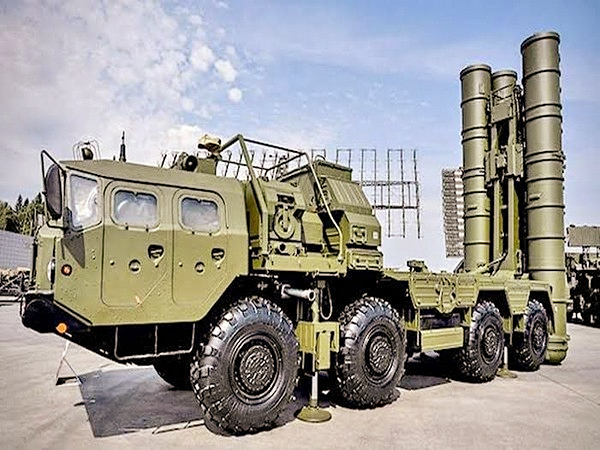
India’s defence industry has long been shaped by a contradiction. Despite being one of the world’s largest arms importers and possessing a large and predictable domestic market, the country struggled for decades to build a competitive indigenous industrial base. Production and procurement were dominated by state-owned defence public sector undertakings and ordnance factories, while innovation cycles were slow and the role of private companies remained marginal. As a result, India relied heavily on foreign suppliers for critical platforms and technologies.
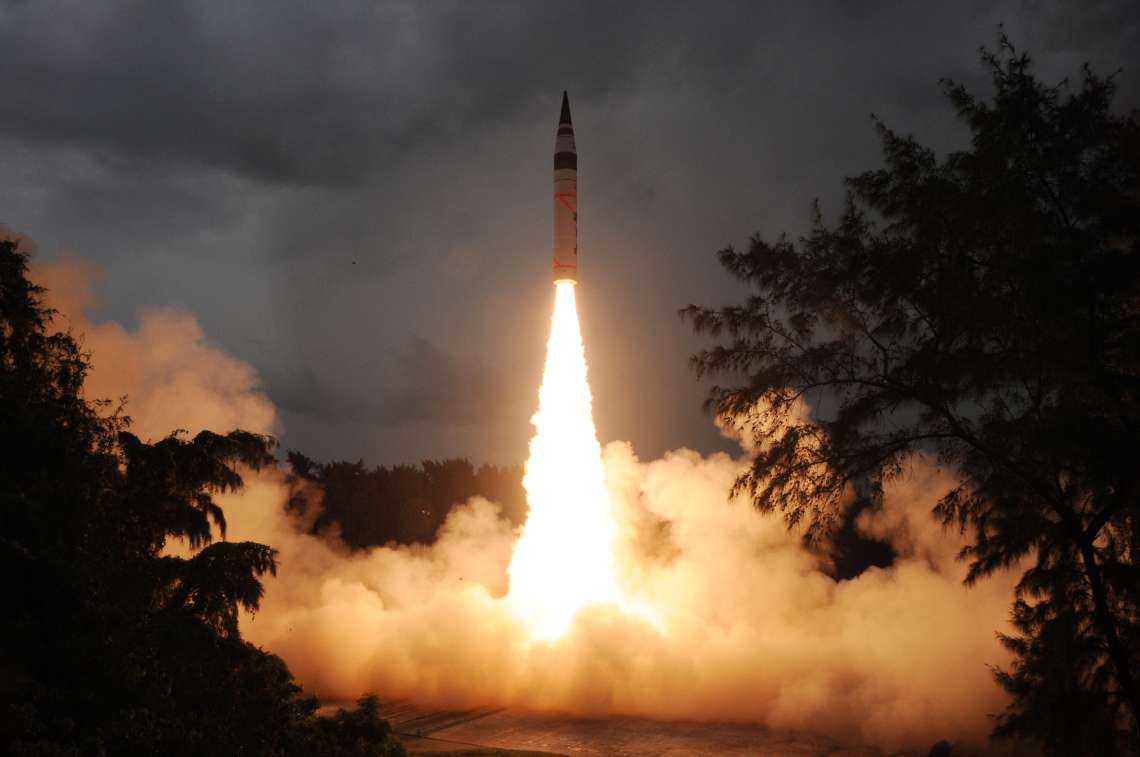
That landscape has changed significantly over the past decade. A series of reforms in defence procurement, industrial licensing, export controls and foreign direct investment policy has opened the sector to greater competition and private participation. Indigenous procurement has been prioritised through negative import lists that restrict foreign purchases of certain categories of equipment, alongside domestic preference frameworks that favour locally made products. Policy emphasis has shifted from assembly of imported kits to local manufacturing and design.
These changes have altered the structure of the defence industrial ecosystem. Domestic production has risen, exports have expanded rapidly and a growing pipeline of indigenous platforms is entering service or being offered to foreign customers. The industry now includes large private groups such as Tata alongside specialised micro, small and medium enterprises and a growing number of defence-focused start-ups. While policy support has been central, companies are increasingly expected to compete, deliver on timelines and innovate, rather than rely on assured government demand.
The economic rationale for defence exports extends beyond headline revenue figures. Defence manufacturing generates high-value income streams and produces strong multiplier effects across sectors such as metallurgy, electronics, software and advanced manufacturing. Supply chains tend to be labour-intensive, while the core production and integration stages are capital- and technology-intensive, creating opportunities for broad-based industrial development. In addition, defence exports embed India more deeply into global strategic and security networks, potentially strengthening diplomatic and military ties.
The scale of growth in exports over the past decade has been striking. India’s defence exports reached an all-time high of Rs 21,083 crore in 2023-24, up from just Rs 686 crore in 2013-14, representing a 30-fold increase. Officials and industry executives argue that this trajectory reflects both policy reform and improving industrial capability, though exports still remain small compared with those of established arms exporters.
Tata’s overseas ambitions highlight the next phase of this strategy: moving beyond supplying friendly governments on a limited scale to establishing a sustained international presence. The decision to manufacture abroad also signals confidence that Indian-designed and built platforms can meet international requirements on cost, reliability and support. For host countries, such arrangements offer local jobs, technology transfer and supply-chain integration.
At the same time, challenges remain. Indian firms must compete against established global defence companies with decades of experience, extensive after-sales networks and deep political relationships. Export controls, financing arrangements and geopolitical considerations can complicate deals, particularly in sensitive regions. Ensuring consistent quality and timely delivery will be critical if Indian manufacturers are to build long-term credibility.
Nevertheless, the discussions reported by the Financial Times suggest that India’s defence sector is entering a more outward-looking phase. With policy support, rising domestic capability and growing confidence among private manufacturers, companies such as Tata are positioning themselves to turn India’s large internal market into a base for sustained export growth, reshaping the country’s role in the global arms industry.