World leaders are gathering in New York for the 81st UN General Assembly, with wars, climate change, development and multilateral cooperation high on the agenda…reports Asian Lite News Desk
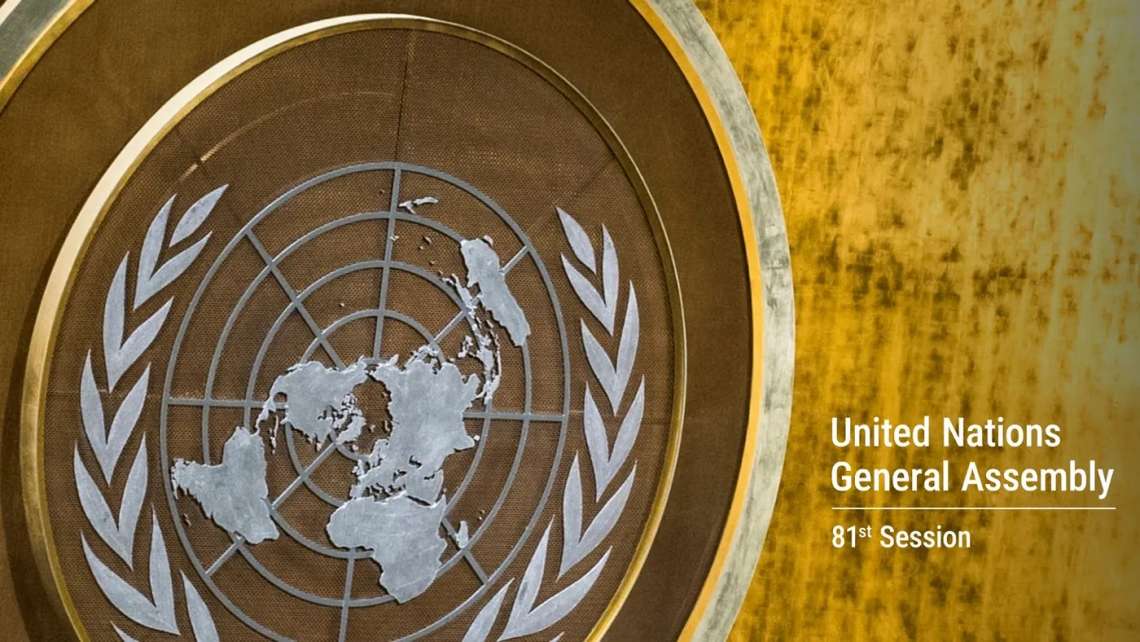
World leaders are gathering at the United Nations headquarters in New York for the high level week of the 81st session of the UN General Assembly, with conflicts, climate change, development, emerging technologies and the future of multilateral cooperation among the main issues on the agenda.
The General Debate begins on Tuesday and will continue until September 26 before resuming on September 28. The United Nations expects nearly 130 heads of state and government to attend the high level week, with representatives from all 193 member states due to set out their priorities from the General Assembly podium.
The gathering is taking place amid geopolitical divisions and growing pressure on the international multilateral system.
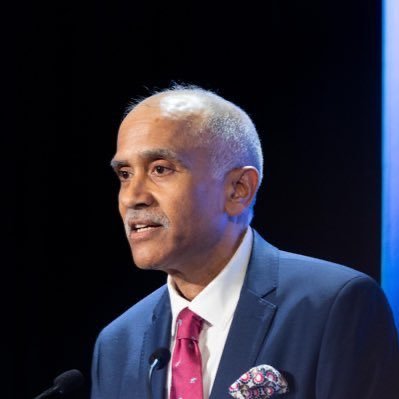
The 81st session is being presided over by UN General Assembly President Khalilur Rahman of Bangladesh under the theme, “Restoring trust, managing transformation: A United Nations that delivers for all.”
India is being represented by External Affairs Minister S Jaishankar, who is leading the country’s delegation during the high level proceedings.
Jaishankar has already held a series of meetings with foreign counterparts in New York, with discussions covering regional conflicts, economic partnerships and multilateral cooperation.
US President Donald Trump is also scheduled to address the General Assembly on Tuesday, placing Washington’s foreign policy priorities among the key issues on the opening day.

Trump’s UNGA schedule comes alongside a series of bilateral meetings with other world leaders, including talks concerning the conflicts in Ukraine and the Middle East.
French President Emmanuel Macron is another prominent participant in the General Debate. Macron has already met Trump in New York, with the discussions covering Ukraine, energy markets and regional security.
Beyond the speeches in the General Assembly chamber, the week provides an opportunity for leaders to hold bilateral and multilateral meetings with allies, partners and other countries.
New York is expected to become a diplomatic hub for discussions on international security, conflicts, trade, energy, development and emerging technologies.
The UN has identified a wide range of issues for discussion during the high level week, including progress towards the Sustainable Development Goals, climate action, pandemic preparedness, sea level rise, racial equality and nuclear disarmament.
Development is expected to remain a key theme as countries approach the 2030 deadline for the Sustainable Development Goals. The annual SDG Moment on September 18 focused on accelerating progress towards the 17 goals adopted in 2015, covering issues including poverty, hunger, education, clean water and energy.

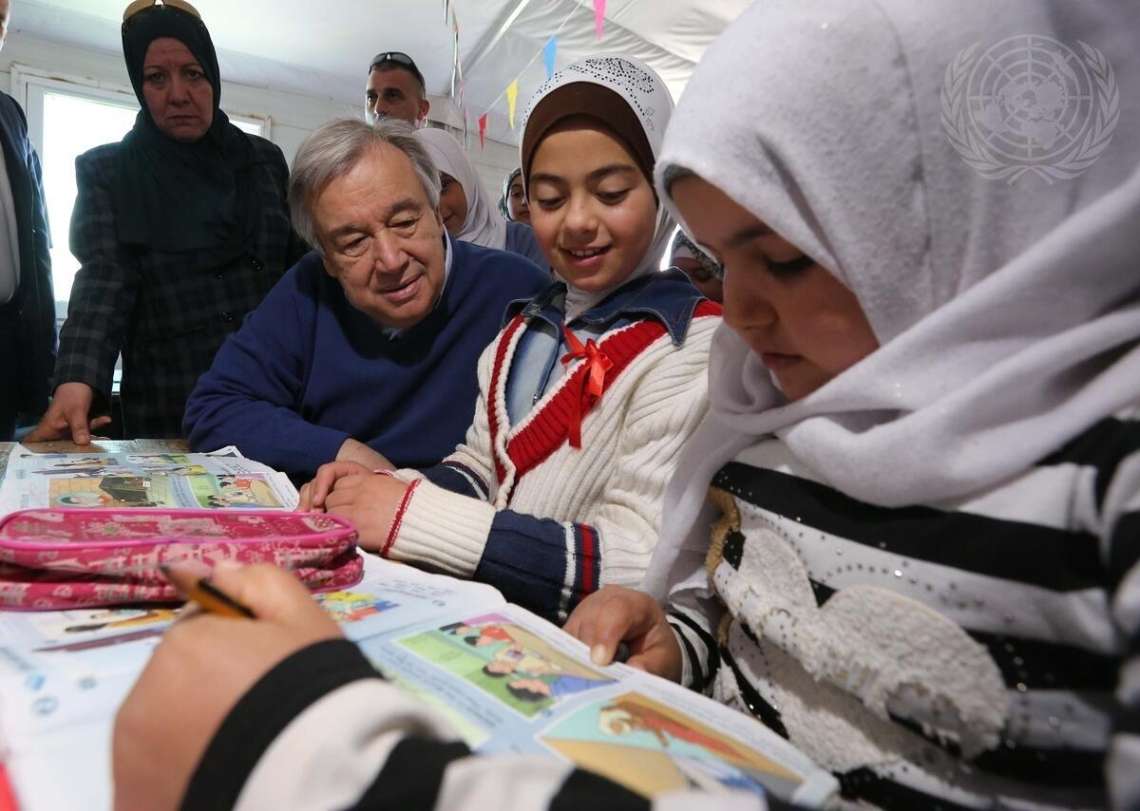
Climate change will receive particular attention on September 23, when UN Secretary General António Guterres convenes a high level event on climate action and a just transition.
The discussions are expected to focus on the transition to renewable energy, climate finance and support for communities affected by rising temperatures and other consequences of climate change.
A separate high level meeting on September 24 will address sea level rise, an issue of particular importance to small island developing states and low lying coastal communities.
On September 25, leaders will discuss pandemic prevention, preparedness and response, with the meeting expected to examine ways to strengthen health systems and improve international readiness for future health emergencies.
The agenda will turn to racial justice and equality on September 28, when a meeting will mark the 25th anniversary of the Durban Declaration and Programme of Action.
The high level week will conclude on September 29 with a meeting focused on the elimination of nuclear weapons, which the UN considers its highest disarmament priority.
The discussions take place against a wider question over the ability of countries to cooperate as geopolitical competition grows and global challenges become increasingly interconnected.
The UN has framed this year’s gathering around restoring trust and managing transformation. Guterres, whose second and final term as Secretary General ends on December 31, 2026, has also highlighted the opening words of the UN Charter, “We the peoples”, as a reminder of the organisation’s founding purpose.
As leaders address the General Assembly, their speeches are expected to present different approaches to conflicts, economic uncertainty, climate pressures and technological change.
The week will also provide an opportunity to assess whether diplomatic engagement can produce greater cooperation on challenges that extend beyond national borders.
For New York, the General Assembly high level week remains one of the busiest diplomatic periods of the year, while for the United Nations it represents an opportunity to demonstrate the role of multilateral cooperation amid growing global divisions.