Pay rises for troops, the cost of the nuclear deterrent and overall inflation have been blamed for the last black hole to blight the MoD’s coffers…reports Asian Lite News
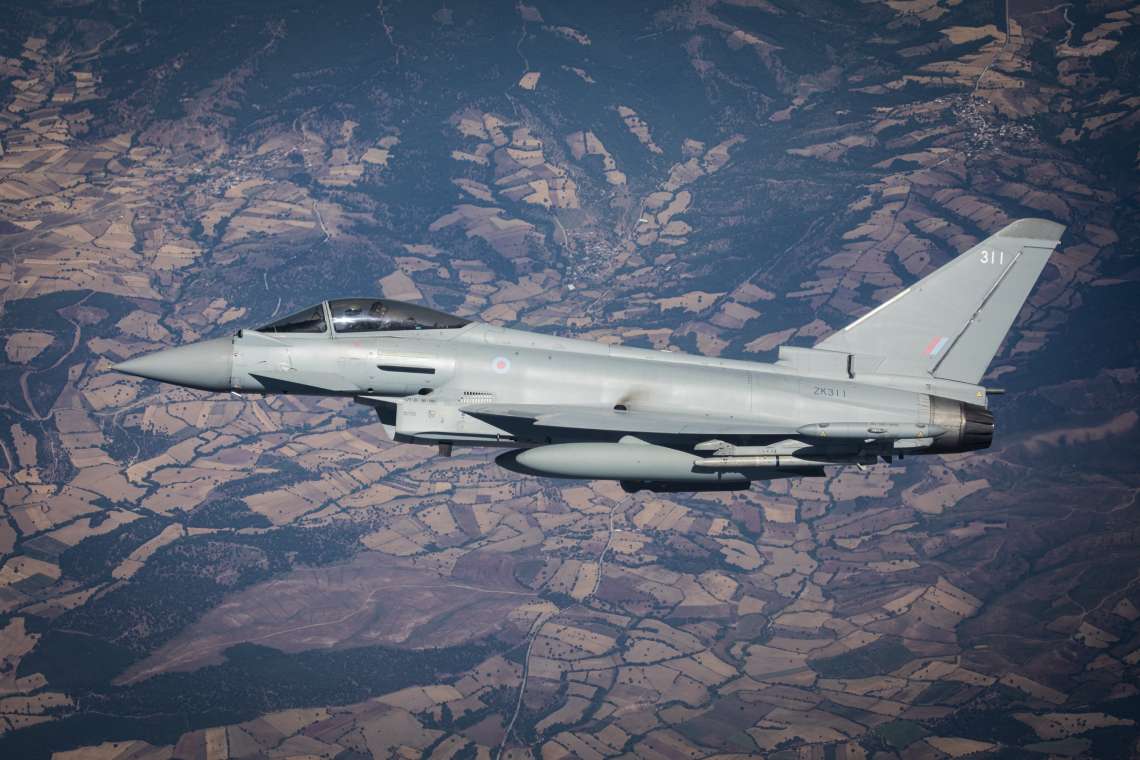
Britain’s top military chief has warned Keir Starmer that the Ministry of Defence faces a £28 billion funding black hole, despite the Government’s pledges to increase defence spending and expand the Armed Forces. The warning was delivered during a meeting in Downing Street shortly before Christmas, when Sir Richard Knighton, the chief of the defence staff, told the Prime Minister that the military’s budget required billions of pounds more in investment if it was to meet its spending targets by 2030. The intervention came as a shock to ministers, who had believed that the Government’s long-term defence plans were already fully funded.
Starmer announced last year that defence spending would rise from 2.3 per cent of GDP to 2.5 per cent by 2027, with broader commitments in the Strategic Defence Review to reach 3 per cent in the early 2030s and 3.5 per cent by 2035. However, defence officials now believe those ambitions are not supported by the current funding envelope. The four-year shortfall, amounting to just under half of the Ministry of Defence’s £62.2 billion annual budget for 2025/26, is understood to have emerged following a detailed assessment of the Strategic Defence Review, which sets out the Government’s military vision through to 2035.
In response, the Prime Minister has ordered an overhaul of the Defence Investment Plan, the document that will explain how the review’s promises are to be delivered. The plan had been due for publication in the autumn but has now been delayed until March. Defence chiefs are also said to be examining the possibility of significant cuts to programmes and capabilities in an attempt to bridge the funding gap, a prospect that has alarmed senior figures within the Armed Forces.
The funding crisis has intensified criticism of Britain’s military preparedness. A parliamentary report published last year warned that the country was not ready to defend itself against a serious attack, while fresh figures released earlier this week showed the UK slipping down the global defence spending rankings. Britain is now Nato’s 12th-largest spender by proportion of GDP, compared with third place in 2021. The decline has added to concerns that Britain’s influence within the alliance could be weakened at a time of heightened geopolitical risk.
Starmer has also committed to deploying British troops to Ukraine in the event of a ceasefire, with planning reportedly based on a contingent of around 7,500 soldiers. Critics argue that such a commitment is close to impossible without substantial new investment, particularly given the current size and condition of the Army. The Prime Minister was said to be deeply unhappy when told of the £28 billion gap, having believed that the Strategic Defence Review, including pledges to build 12 new attack submarines and to increase the Army’s size by 3,000 soldiers to 76,000 in the next Parliament, had been fully costed. John Healey, the Defence Secretary, and Rachel Reeves, the Chancellor, were also present at the meeting.
The budget pressures are being driven by a combination of factors, including pay rises for service personnel, the escalating cost of maintaining the nuclear deterrent and the impact of inflation across defence procurement. Sir Richard’s warning followed months of discussions with other senior military leaders, including the heads of the Army, Navy and Royal Air Force, about the growing strain on resources.
James Cartlidge, the shadow defence secretary, said: “These reports confirm what we’ve been warning for months – Labour’s plans for defence spending fall a long way short of what is needed to actually keep us safe, in the face of rising threats. They promised the Defence Investment Plan for last autumn but it’s clearly going to be months late, entirely because the money just isn’t there to fund it. Labour has prioritised higher welfare spending over defence of the realm and our armed forces are paying the price.”
The Army has already been reduced to its smallest size in more than 200 years, with about 71,000 fully trained, full-time soldiers. General Lord Richard Dannatt, a former head of the Army, has warned that such a diminished force would struggle to sustain any long-term mission in Ukraine without an increase of at least 10,000 soldiers. Insisting that defence spending must reach 3 per cent of GDP during this Parliament, he said: “The Government needs to put its money where its mouth is. It is unsatisfactory to just talk about the threats, we have got to show the people of the country that the Government understands the threats and is taking it seriously.”