Journey and cultural identity of Afghan Hindus in Britain
By Ragasudha Vinjamuri, HFE
Komal Chopra has migrated to Britain several years ago as a child and is a postgraduate by education. She proudly shares about her journey, community identity and her aspiration for continued legacy of UK Afghan Hindus, which Academic research in 2018 has estimated at around 500 people, now may be numbered even more.
Q: Hindus have a long but relatively little-known presence in Afghanistan. What can you tell us about the Afghan Hindu community’s history, significant places of settlement and traditional way of life?
Afghan Hindus have a centuries-old history, rooted in the ancient region associated with Ariana and later Khorasan. The Buddhist heritage of Bamiyan reflects this rich spiritual past. Our tradition is deeply connected with Guru Gorakh Nathji and Siddha Yogi Shri Ratan Nathji Maharaj, believed to have been sent to Afghanistan from the Himalayan caves of Uttarakhand and so revered that people of different faiths also acknowledged the importance of Sanatan Dharma. Afghan Hindus lived for generations in Kabul, Ghazni, Kandahar and Jalalabad, contributing actively to Afghanistan’s professional and public life. Kabul’s Asamai Temple, with its eternal flame symbolising Mother Goddess Sati, remains deeply sacred. In Ghazni, families gathered at the sacred Shakti Mata/Durga Mata cave for festivals, fairs and aarti. Our story is one of belonging, worship, family and contribution-not merely migration.
Q: What do you remember about the experience of migration to Britain and the challenges of starting a new life here? What helped you establish a sense of home and belonging?
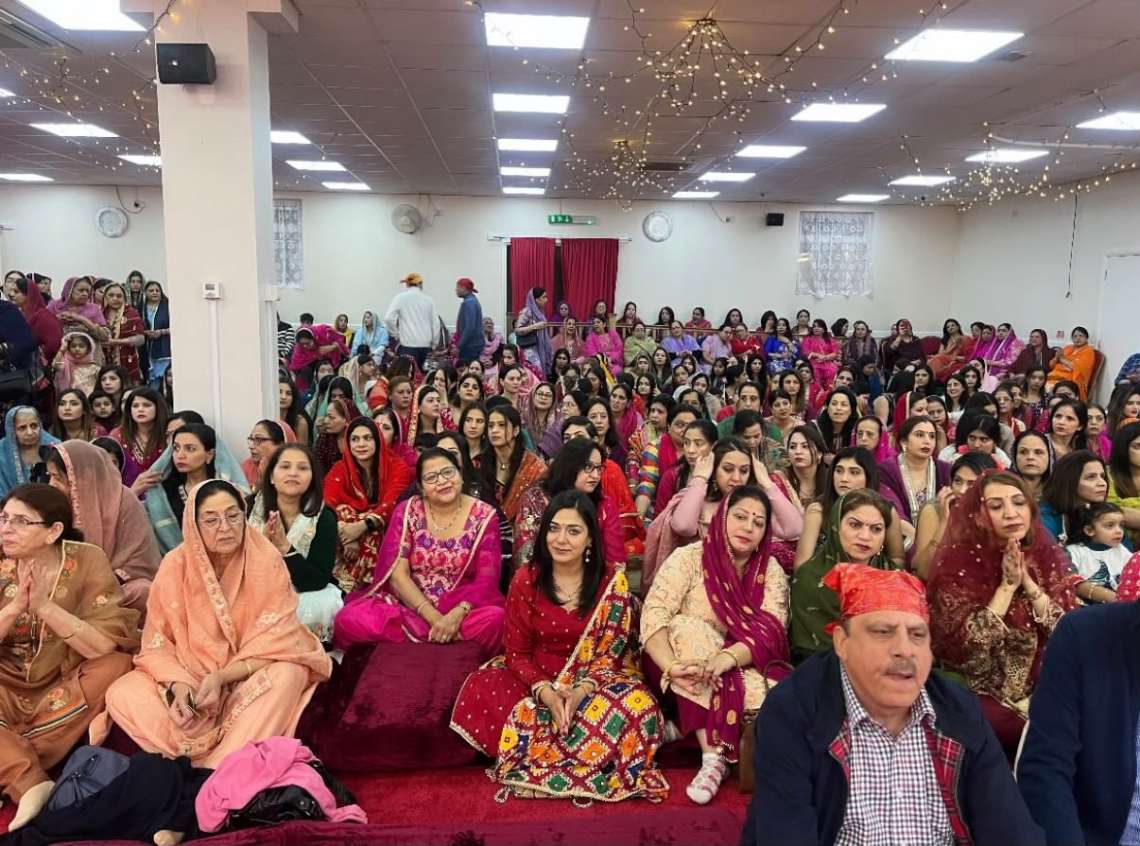
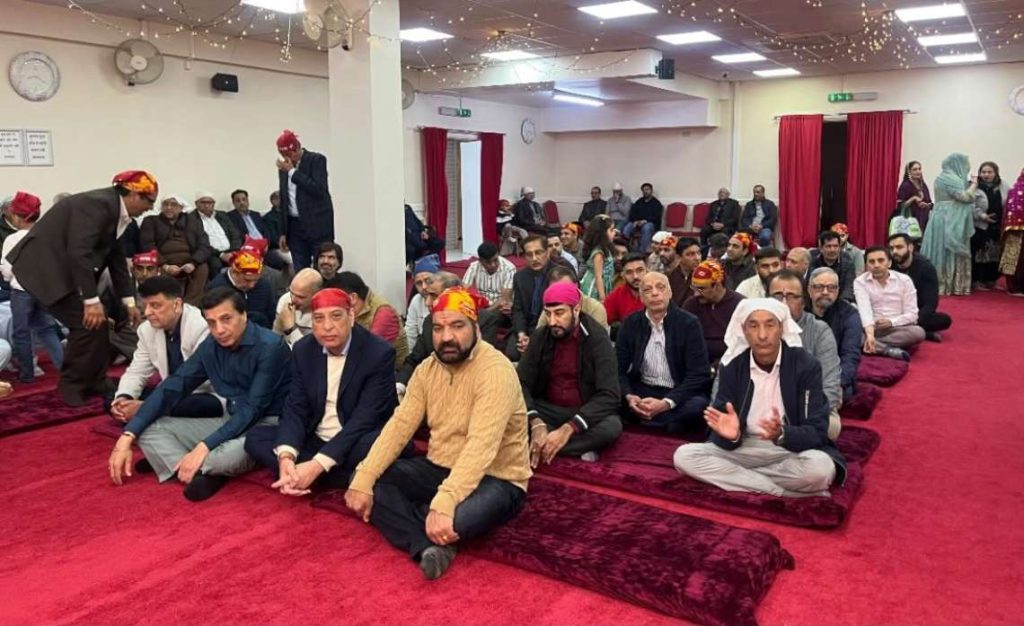
Leaving Afghanistan meant leaving homes, businesses, neighbourhoods, temples and a way of life built over generations. Migration was driven by safety, and preserving faith and identity. Starting again in Britain was challenging, but family and community provided strength. Through temples, festivals, food, language, prayer and gatherings, we rebuilt our traditions and gradually made Britain home.
Q: What are some of the distinctive cultural practices, customs, ceremonies, language that characterise Afghan Hindu heritage?
Our Hindu heritage blends Sanatan Dharma with Afghan traditions, expressed through puja, aarti, festivals, weddings, food, music and family customs. Languages Hindko, Hindi, Punjabi, Dari and Pushto, alongside respect for elders, preserve our identity across generations.
Q: What aspects of Afghan Hindu heritage have remained strong across generations, and which traditions do you feel are at risk of being lost?
Our strongest traditions remain faith, family, education, respect for elders and community service. My parents, Prem Swaroop Chopraji and Ramo Chopraji, were determined all five children received a good education. During the Mujahideen period, despite risks to women and girls, my father insisted his daughters’ education must never be sacrificed- a proud family legacy that I carry. What concerns me today is the loss of language, oral history, family stories, songs, recipes, wedding traditions and memories of everyday life in Afghanistan.
Q: What would you most like the wider British public to understand about Afghan Hindu history and contribution?
Afghan Hindus are not simply refugees. Although a religious minority, we are a community with generations of families, businesses, temples, traditions and contributions to Afghan society. Displacement is part of our story, but not its entirety. We are proud Afghan Hindus, and Britain gives us the freedom to preserve our identity. We are an important part of Afghanistan’s history, and it deserves to be remembered as such.
Q: Looking to the future, what would you like to see preserved, recognised and documented about Afghan Hindu heritage in the UK?
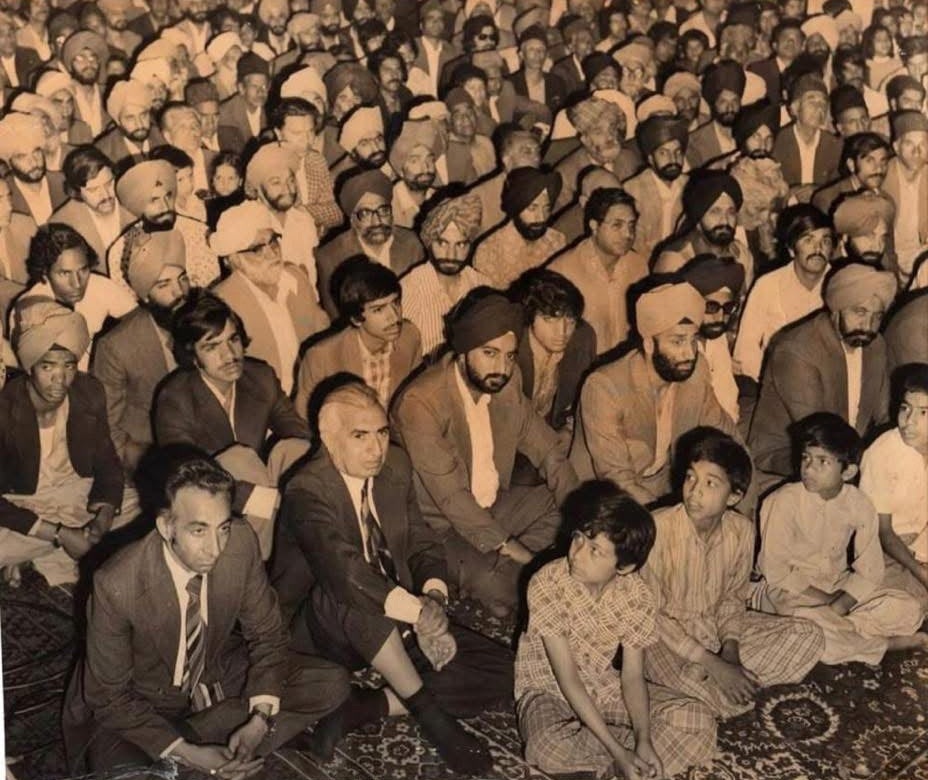
I would like to see a national Afghan Hindu heritage archive or cultural centre preserving photographs, oral histories, documents, religious objects, recipes, languages, music and memories. Our young people must become part of it. Building on initiatives such as SOAS’s 2024 “Belonging Flexibly- Non-Muslim Migrants from Muslim Asia” exhibition curated by Afghan photographer Moska Najib and involving research by Professor Magnus Marsden of the University of Sussex, this heritage should be internationally recognised and passed to younger generations.
Assisted by Upasna Kapoor