JLR will cut 4,000 jobs over the next two years as it battles Chinese competition, US tariffs and the costly shift to electric vehicles…reports Asian Lite News Desk
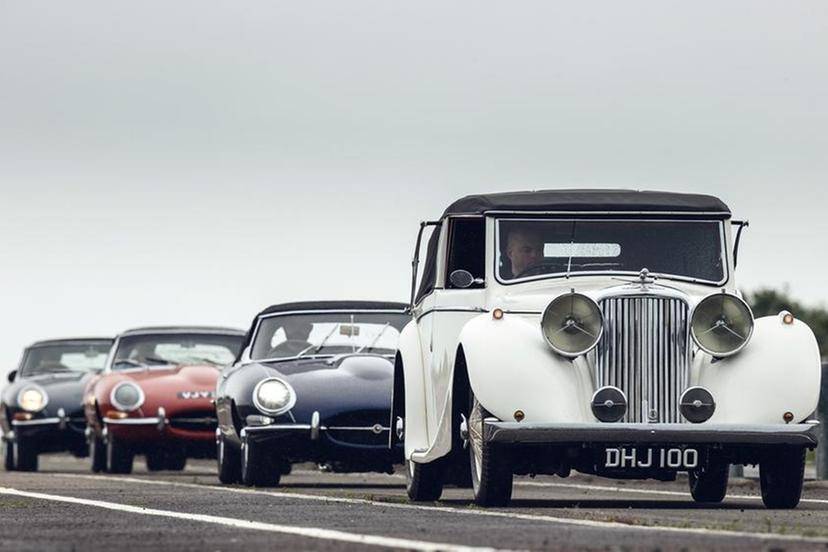
Jaguar Land Rover (JLR) is to cut 4,000 jobs over the next two years as the carmaker faces growing pressure from Chinese competition, US tariffs and the transition to electric vehicles.
The redundancies will mainly affect the company’s UK-based head office operations. JLR employs around 43,000 people globally and is seeking to save £1.7bn over the next two years through the restructuring.
The company said it would initially seek to achieve the reductions through voluntary redundancy, with employees able to apply until 4 October. Compulsory redundancies could follow if sufficient savings cannot be achieved through voluntary departures, with affected staff set to receive an email in the coming days.
JLR chief executive PB Balaji said the company was committed to supporting employees during the process.
“The automotive industry faces significant challenges, with technological change amidst intense competition and ongoing geo-political uncertainty,” he said.
He added that JLR was “committed to supporting everyone with care, fairness and respect” through the redundancy process.
The job cuts come as JLR continues to deal with the impact of a cyber-attack last year, which forced the company to shut down production for more than a month. The disruption added to existing challenges for the carmaker.

In its results for the year to the end of March, JLR said US tariffs and the cyber-attack were the main reasons for a significant fall in sales. Revenue dropped to £22.9bn from £29bn in the previous two years.
JLR is also facing stronger competition from Chinese manufacturers, particularly as the global automotive industry shifts towards electric vehicles. China had previously been viewed by JLR primarily as a market for growth rather than a major source of competition.
US tariffs have added further pressure. Unlike some of its competitors, JLR does not have a manufacturing plant in the US, leaving the company exposed to the impact of tariffs on vehicles sold in the American market.
David Bailey, business and economics professor at Birmingham University, described JLR as “as strategically important as it gets for the UK economy”.
He said many UK jobs depended on the company’s supply chain and that the wider economy had also been affected when JLR halted production following last year’s cyber-attack.
“It’s the centre of our automotive industry,” he said.
The carmaker has also faced criticism over the pace of its move towards electric vehicles. Jaguar launched the fully electric I-PACE SUV in 2018, but the electric Range Rover announced last week will be its first electric vehicle launch since then.
Ian Robertson, former director at BMW, said JLR should have followed rivals by manufacturing in the US.
“The biggest operation for BMW in the world is in Spartanburg, South Carolina. Mercedes have their plant further south in Tuscaloosa. JLR didn’t take that decision early enough in my view,” he said.
He also said JLR had been “somewhat late to the party” in terms of electric vehicles.
Robertson added that Brexit had hurt the company, although JLR’s factory in Slovakia provided it with “some flexibility”.
The planned job cuts mark a major restructuring for JLR as it attempts to reduce costs while responding to changes across the global automotive industry. The company will first rely on voluntary departures before considering compulsory redundancies if the required savings cannot be achieved.