Britain will provide limited defensive air-to-air refuelling support to Saudi Arabia as Houthi attacks threaten regional security, energy supplies and vital Red Sea shipping routes…reports UK News Desk
Britain will provide Saudi Arabia with limited defensive military support to counter attacks by Iran-backed Houthi forces in Yemen, Prime Minister Andy Burnham has confirmed, as growing fighting threatens energy supplies and vital Red Sea shipping routes.
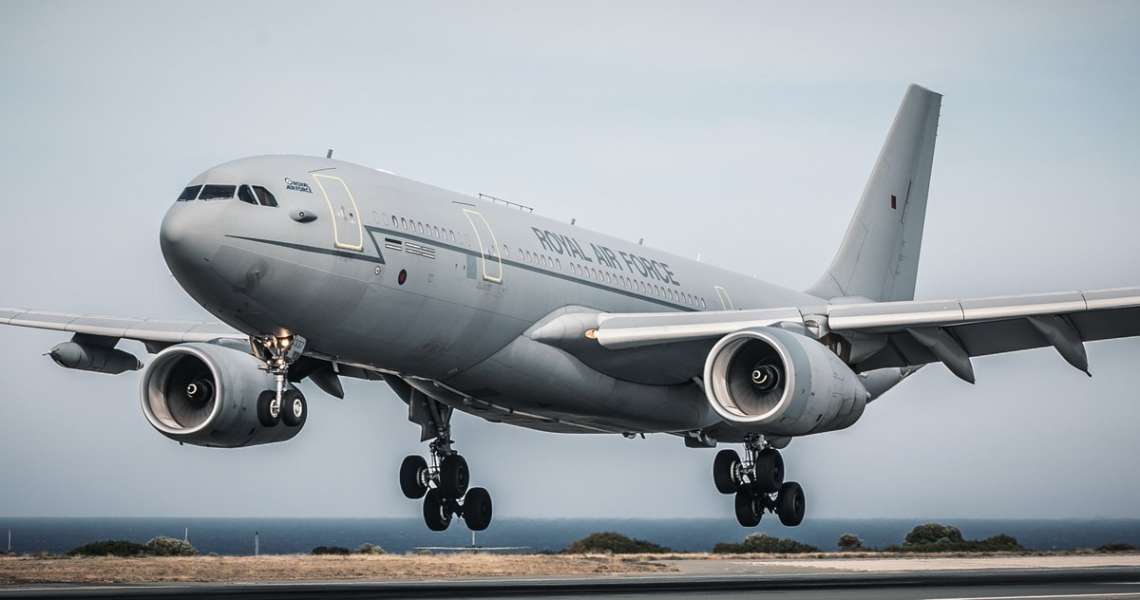
The UK is expected to deploy a Royal Air Force Voyager aircraft within days to provide air-to-air refuelling for Saudi fighter jets carrying out defensive missions. The operation is expected to be based from RAF Akrotiri in Cyprus and is initially planned to last for several weeks.
Burnham said the decision followed a formal request from Saudi Arabia and was agreed after advice from Defence Secretary Wes Streeting and Foreign Secretary Ed Miliband.
The Prime Minister said Britain was responding to the threat to Saudi Arabia while also seeking to protect wider British economic interests as the conflict puts pressure on energy markets and international trade.
“I go back to the point I made about cost-of-living pressures and acting to secure the interests of Britain and the wider region,” Burnham told reporters travelling with him to New York for the United Nations General Assembly.
“Saudi Arabia has been experiencing attacks, is looking at potential further disruption, and we need to keep those pathways open, and hence our agreement to the request.”
Limited and defensive role
The British contribution is being described by officials as defensive rather than support for offensive strikes against Houthi positions.
The Voyager tanker will allow Saudi aircraft to remain airborne for longer while responding to incoming drones and missiles. British officials have stressed that the deployment is time limited and is expected, initially, to last only weeks.
The decision represents a relatively limited military commitment compared with direct British participation in offensive operations. It nevertheless marks a significant step in the UK’s response to the latest escalation in Yemen and the wider Middle East.
The UK already has military personnel and air-defence equipment deployed in Saudi Arabia. Earlier this year, Britain deployed the Sky Sabre air-defence system to the kingdom following a request for additional protection against missile threats.
The decision comes after a sharp deterioration in the security situation.
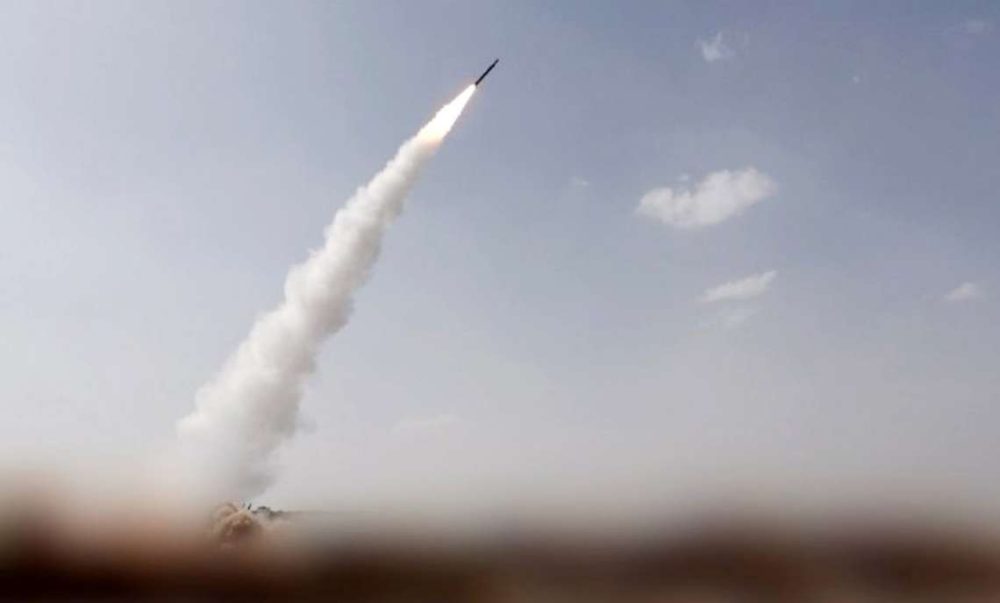
The Houthis have resumed large-scale fighting in Yemen and have launched missiles and drones against Saudi cities, airports, military facilities and energy infrastructure. UK government travel advice says attacks against Saudi targets have been taking place since July, with several locations and Saudi-linked shipping affected.
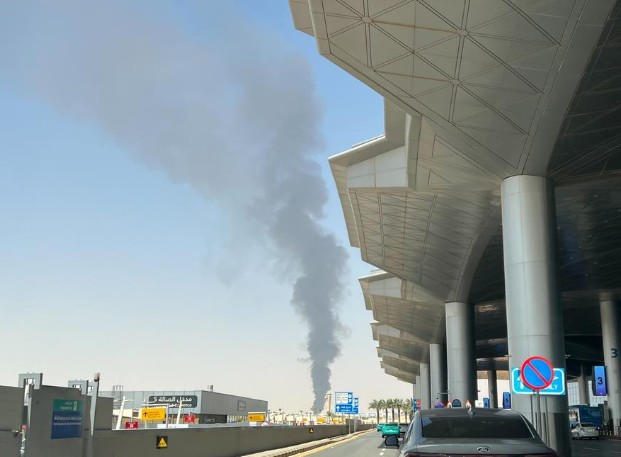
A Houthi attack claimed against Riyadh over the weekend marked a major escalation, with reports of explosions and a fire near King Khalid International Airport. The group also claimed attacks on energy-related targets.
The Houthis have simultaneously expanded their control along Yemen’s Red Sea coast. Reuters reported earlier this month that the group had seized the port city of Mokha and advanced towards strategically important islands near the Bab al-Mandab Strait.
The Bab al-Mandab is a crucial maritime chokepoint linking the Red Sea with the Gulf of Aden. Disruption there can affect ships travelling between Europe and Asia through the Suez Canal, increasing pressure on freight costs, insurance and energy supplies.
The UK government has repeatedly warned that the Houthi advance threatens freedom of navigation and international trade. In a statement to the UN Security Council last week, British officials said the group’s operations along the Red Sea coast and around Bab al-Mandab were putting international shipping and regional stability at greater risk.
Saudi seeks greater air defence
Saudi Arabia has been seeking additional military assistance as its air-defence requirements grow.
The kingdom has been involved in Yemen’s conflict since 2015, when it led a coalition supporting the internationally recognised Yemeni government against the Houthis. The latest fighting has reopened a conflict that had been relatively contained by a de facto truce.
The UK has long-standing defence ties with Saudi Arabia, covering military cooperation, equipment and regional security. The government describes the relationship as part of a broader partnership spanning defence, energy, trade and investment.
The latest deployment comes as Britain faces wider pressure from instability across the Middle East, including disruption to major energy and shipping routes.
For Burnham, the immediate argument is that helping Saudi Arabia defend its airspace could also help protect the routes and energy flows on which Britain and the wider global economy depend.
The government has not indicated that the Voyager deployment will involve British aircraft conducting strikes against Houthi targets. Its stated role is to provide defensive refuelling support while Saudi forces respond to attacks.
The mission therefore places Britain deeper into the regional security effort without, at this stage, committing British forces to a wider offensive campaign in Yemen.