No 10 dismissed accusations that the vetting and approval process had been rushed, insisting that normal procedures had been followed….reports Asian Lite News
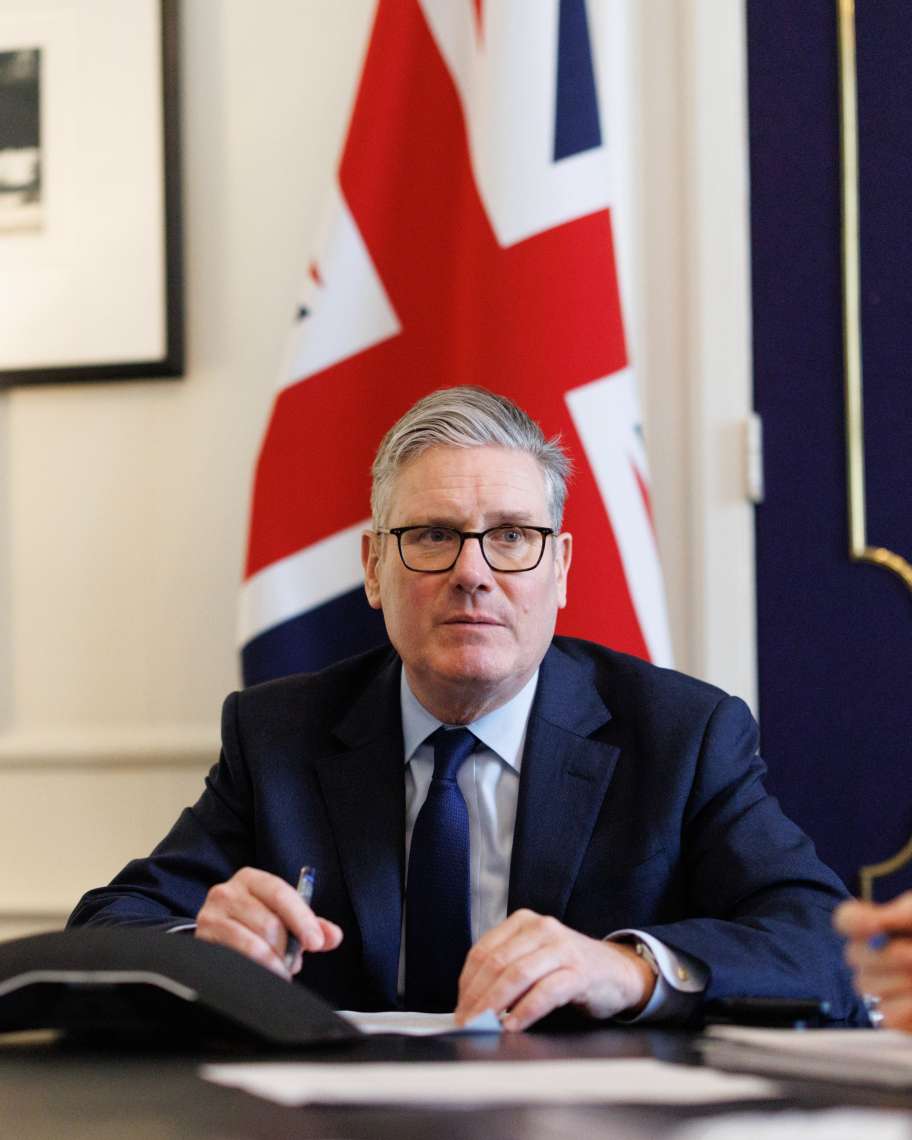
Downing Street has rejected claims that it attempted to conceal Prime Minister Keir Starmer’s role in appointing Peter Mandelson as the United Kingdom’s ambassador to Washington after newly released documents showed no formal written input from the prime minister in the decision-making process.
According to a report by The Guardian, the government released 147 pages of documents detailing how Mandelson’s appointment was approved. A day after their publication, No 10 dismissed accusations that the vetting and approval process had been rushed, insisting that normal procedures had been followed.
The documents include two pieces of official advice submitted to Starmer. One outlined the risks of appointing a political figure as ambassador, while another highlighted specific concerns about Mandelson, including his past links to Jeffrey Epstein, the convicted child sex offender. Both documents included a section titled “prime minister comments”, where the PM’s formal response is typically recorded, but the sections were left blank.
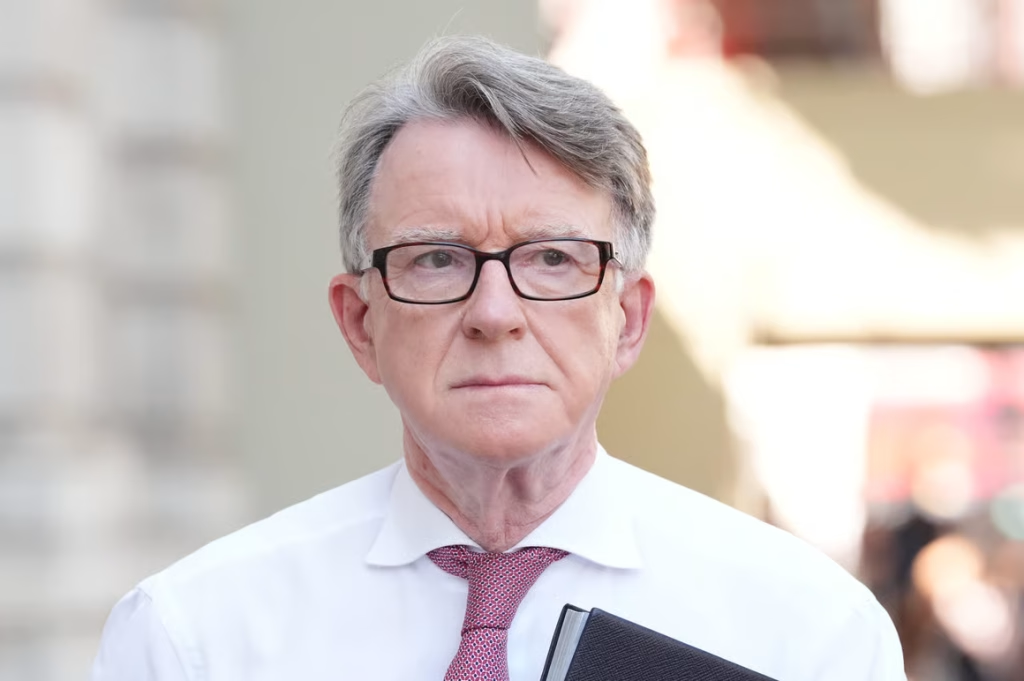
According to The Guardian, the files also show that senior officials flagged concerns about Mandelson’s long-standing connection with Epstein in a due diligence report prepared for Starmer in December 2024. The report described a relationship dating back to at least 2002, when Mandelson helped arrange a meeting between Epstein and then-prime minister Tony Blair. It also referenced claims that Mandelson stayed at Epstein’s home in 2009 while the financier was serving a prison sentence for offences involving a minor.
The document cited a 2019 investigation commissioned by JPMorgan Chase, which described Epstein as having a particularly close relationship with both Mandelson and Prince Andrew. It also raised other reputational concerns linked to Mandelson’s political career, including two previous resignations from government posts and his work with the consultancy firm Global Counsel.
Despite those warnings, Mandelson was appointed to the key diplomatic role. However, he was dismissed nine months later after further details of his friendship with Epstein emerged, triggering political controversy in Westminster.
Speaking during a visit to Belfast, Starmer said he had not known the full extent of Mandelson’s links to Epstein but accepted responsibility for the decision. “It was me that made a mistake, and it’s me that makes the apology to the victims of Epstein,” he said.
Opposition figures questioned the absence of Starmer’s written comments in the documents. Conservative leader Kemi Badenoch claimed the prime minister’s remarks may have been removed and accused the government of a continuing “cover-up”.
However, Downing Street denied the allegation. Officials said nothing had been redacted and suggested Starmer may have conveyed his views verbally rather than recording them formally. No 10 also said the government had “complied fully” with a parliamentary motion requiring the publication of the Mandelson documents.
Treasury minister Darren Jones told MPs the due diligence process had not revealed the full extent of Mandelson’s relationship with Epstein and accused the former ambassador of misleading the prime minister. “Peter Mandelson should never have been afforded the privilege of representing this country,” he said, adding that Starmer now regrets trusting his assurances.
The Guardian reported that some material from the files remains withheld at the request of the Metropolitan Police Service, which is investigating allegations that Mandelson shared sensitive government information with Epstein while serving as business secretary after the 2008 financial crisis.
Mandelson was arrested last month on suspicion of misconduct in public office but has not been charged and denies wrongdoing. He has since resigned from the House of Lords.
The documents also reveal that Mandelson initially sought a £547,000 severance payment after his dismissal, representing the remainder of his ambassadorial salary. The government later agreed to a settlement of £75,000.