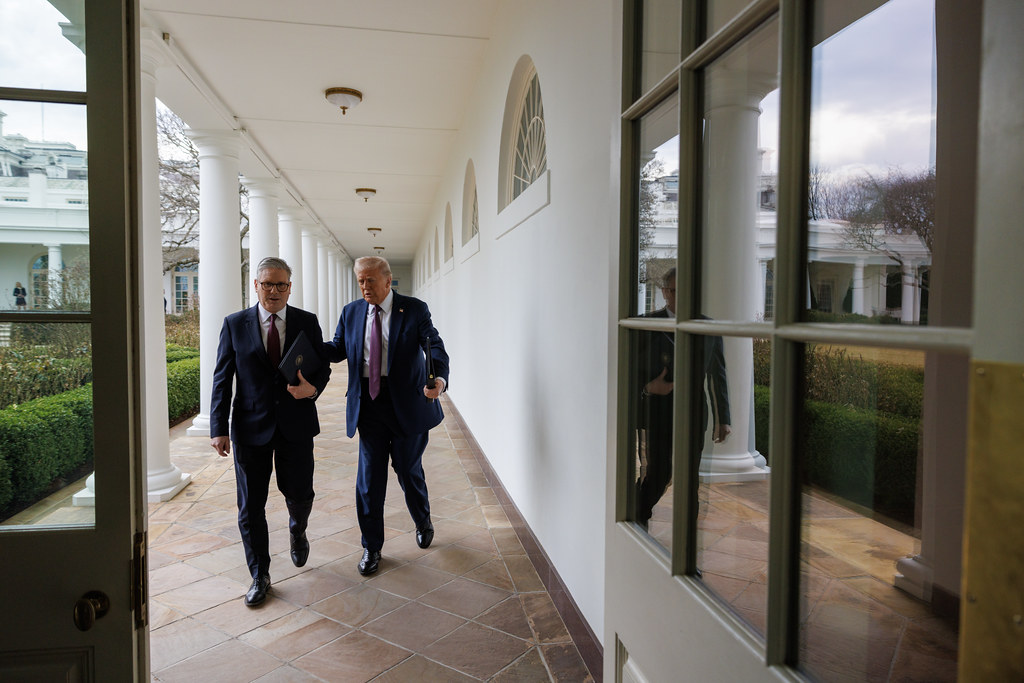
Donald Trump criticises Keir Starmer over the timing and scope of Britain’s military support following US–Israeli strikes on Iran. The remarks come as the UK confirms limited defensive cooperation and prepares forces amid rising regional tensions
Donald Trump has renewed his criticism of Prime Minister Keir Starmer over Britain’s response to US–Israeli military strikes on Iran, accusing the UK of offering support too late and questioning the strength of the longstanding alliance between the two countries.
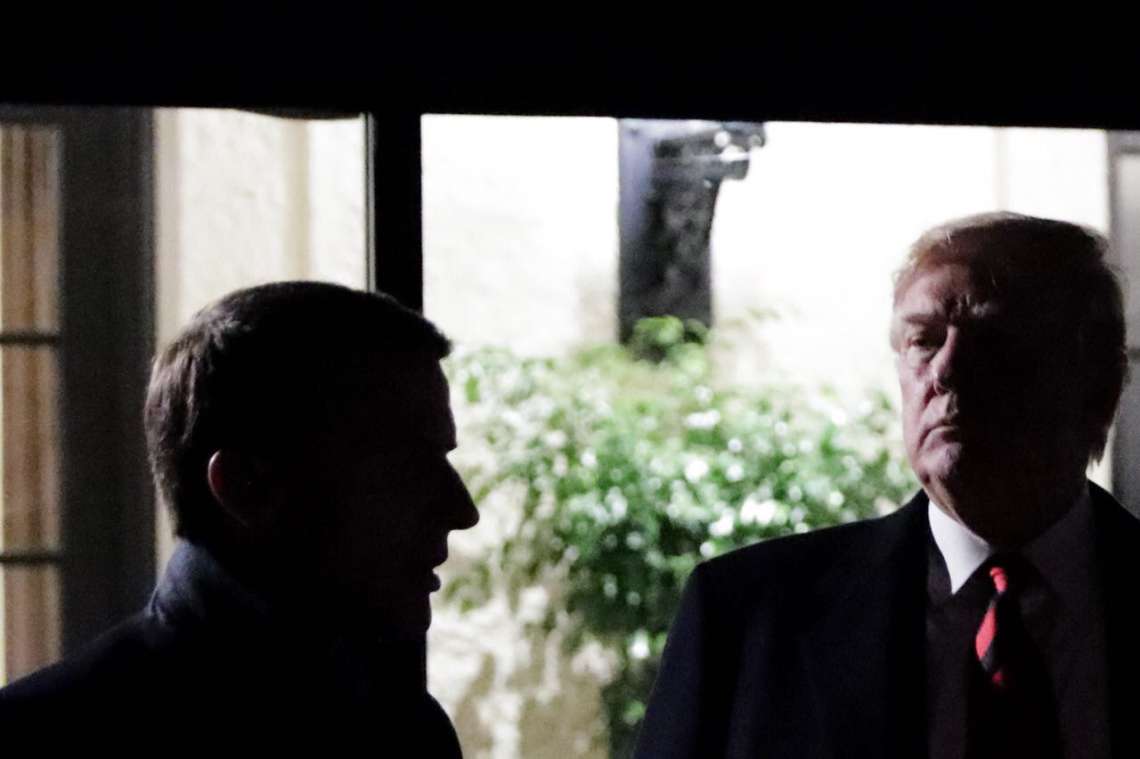
Writing on his social media platform, Trump said: “The United Kingdom, our once Great Ally, maybe the Greatest of them all, is finally giving serious thought to sending two aircraft carriers to the Middle East.” He added: “That’s OK, Prime Minister Starmer, we don’t need them any longer – But we will remember. We don’t need people that join Wars after we’ve already won!”
His remarks followed decisions by the UK government to permit US forces to operate from British-controlled facilities for what ministers described as limited defensive purposes. After initially declining a broader request, the UK agreed to allow the use of bases in Fairford, Gloucestershire, and Diego Garcia in the Indian Ocean.
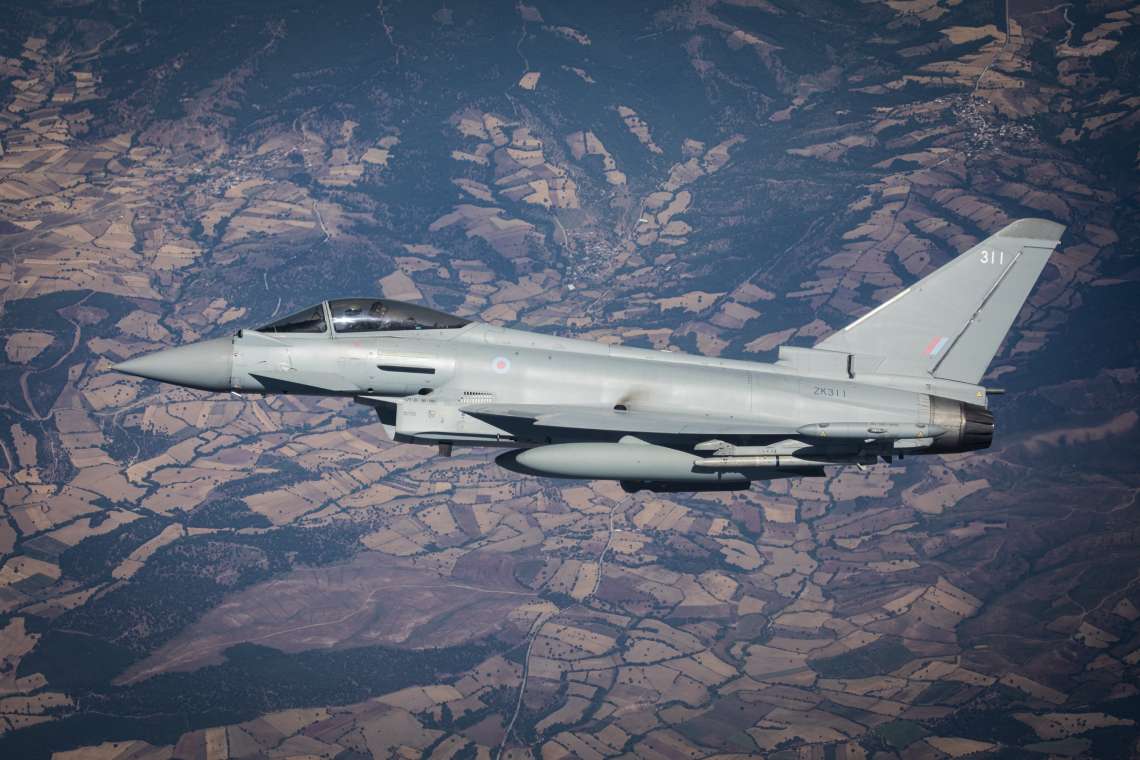
The Ministry of Defence confirmed that four US bombers had landed at a Royal Air Force base in Britain on Friday and Saturday and had already begun operating from British soil. According to the department, the deployments were intended to support operations “to prevent Iran firing missiles into the region, which is putting British lives at risk”.
British officials also confirmed preparations for a possible deployment of an aircraft carrier to the Middle East as tensions in the region continue to rise following the escalation involving the United States, Israel and Iran.
A Ministry of Defence spokesperson said: “HMS Prince of Wales has always been on very high readiness and we are increasing the preparedness of the carrier, reducing the time it would take to set sail for any deployment.”
The developments highlight the delicate position faced by the UK government as it balances its security relationship with Washington against domestic political considerations and wider international concerns about escalation in the region.
Several members of the governing Labour Party have expressed caution about direct military involvement. Some critics argue that the prime minister is seeking to avoid deeper participation in overseas conflict amid sensitivities among voters, while also attempting to maintain cooperation with the United States in areas deemed essential to British security.
Opposition voices and foreign policy analysts have pointed to the historic importance of the transatlantic alliance, often referred to as the “special relationship”, suggesting that differences in timing and approach risk creating political friction even where operational cooperation continues.
Trump’s comments also came shortly after remarks by US Secretary of State Marco Rubio at a regional security conference in Miami. Without naming specific governments, Rubio appeared to criticise allies that had hesitated to permit their military infrastructure to be used for operations linked to the Iran conflict.
“At a time when we have learned that an ally, when you need them, may not be there for you, these are countries that have been there for us,” he said. He added: “We want you to see that when you are a friend and ally to the United States, it is a good thing and it is reciprocated back the other way.”
While Rubio did not directly identify the countries concerned, his remarks followed reports that some US partners had limited or declined requests linked to strike operations.
The UK government has emphasised that its cooperation is focused on defensive measures and the protection of British personnel and interests. Officials have indicated that any further military decisions would be guided by national security assessments and coordination with allies.
The exchange of public criticism underscores the political sensitivity surrounding allied military coordination during rapidly evolving international crises, as governments seek to balance strategic partnerships, operational considerations and domestic political pressures.