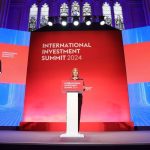
Britain is under pressure to join Trump’s war as tensions escalate in the Gulf after the closure of the Strait of Hormuz. Washington has urged allies, including Britain, to deploy warships to protect shipping routes amid the conflict with Iran, reports John Williams
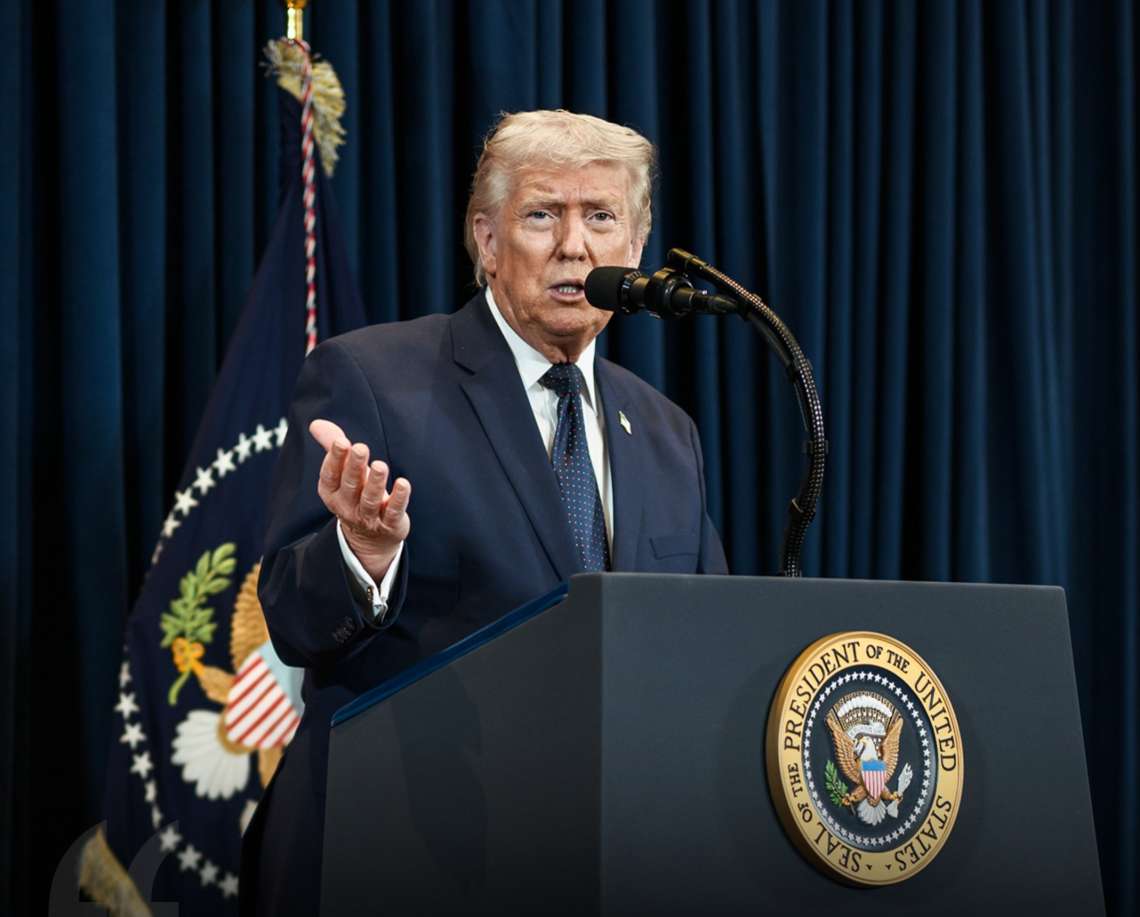
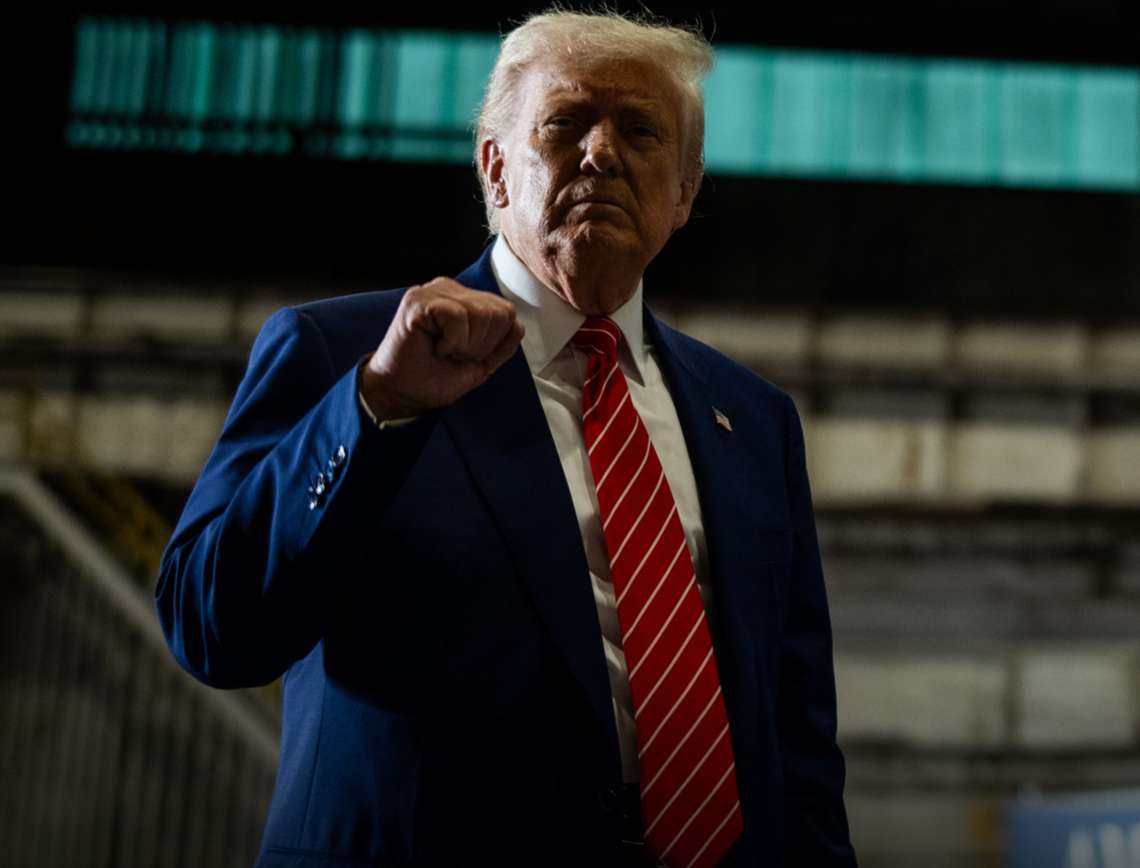
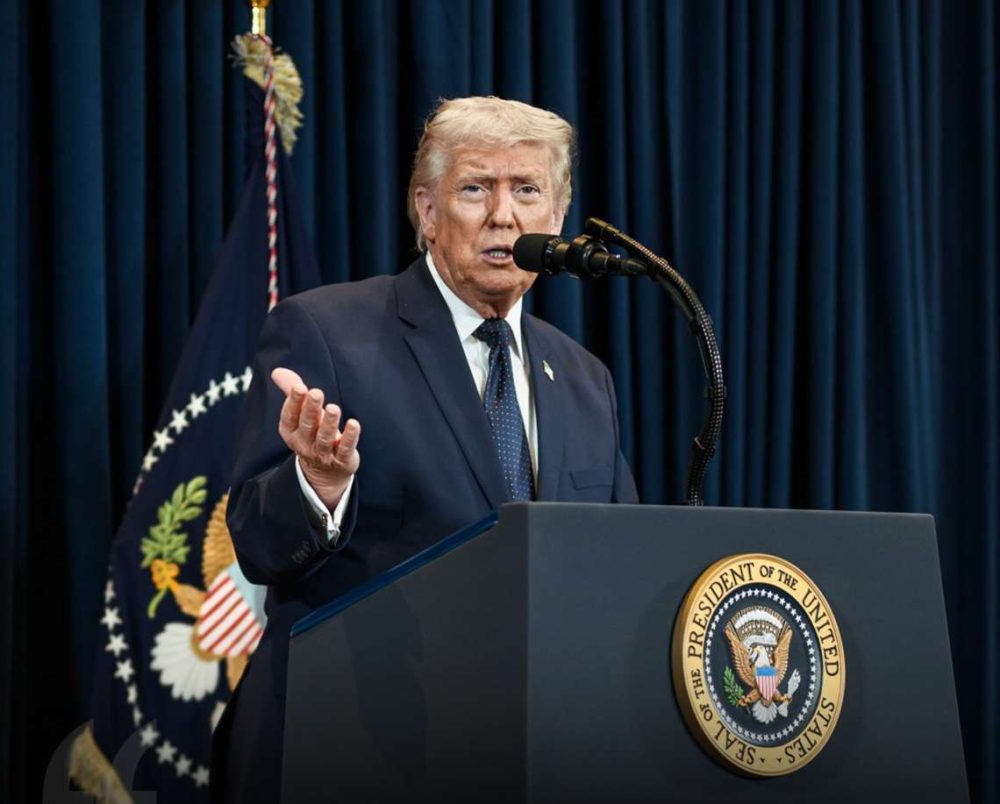
Donald Trump has said the UK should send warships to help keep the Strait of Hormuz open, increasing pressure on Britain to take a more direct role in the escalating conflict with Iran. In a post on his Truth Social platform, the US president urged the UK and other countries to deploy vessels to the Strait amid the ongoing hostilities.
The Strait is a key trading artery between the Persian Gulf and the Gulf of Oman, through which a fifth of the world’s oil passes. Last year, about 20 million barrels of oil moved through the waterway each day. Since the United States and Israel first launched strikes on Iran a fortnight ago, numerous ships travelling through the Strait have been attacked. The route is now effectively closed, driving up oil prices and placing a heavy strain on the global economy.
Trump wrote on Saturday: “Many Countries, especially those who are affected by Iran’s attempted closure of the Hormuz Strait, will be sending War Ships, in conjunction with the United States of America, to keep the Strait open and safe. We have already destroyed 100% of Iran’s Military capability, but it’s easy for them to send a drone or two, drop a mine, or deliver a close range missile somewhere along, or in this waterway, no matter how badly defeated they are. Hopefully China, France, Japan, South Korea, the UK, and others, that are affected by this artificial constraint, will send Ships to the area so that the Hormuz Strait will no longer be a threat by a Nation that has been totally decapitated. In the meantime, the United States will be bombing the hell out of the shoreline, and continually shooting Iranian Boats and Ships out of the water. One way or the other, we will soon get the Hormuz Strait OPEN, SAFE, and FREE!”
In response to Trump’s post, Iran said claims that its military capability had been destroyed were based on “fabricated lies”. An Iranian Ministry of Defence spokesperson rejected the assertion and criticised the statement.
The appeal from Washington has placed London under increasing scrutiny over whether it will join a naval effort to secure the shipping lane. An Ministry of Defence spokesperson said: “As we’ve said previously, we are currently discussing with our allies and partners a range of options to ensure the security of shipping in the region.”
Military figures have warned that conditions in the waterway remain highly dangerous. Rear Admiral Neil Morisetti, who navigated and captained British warships in the region in the 1980s and 1990s, said the risks are now “too great” to guarantee the safety of oil tankers moving through the Strait of Hormuz.
His comments come after the UK deployed HMS Dragon, which left for the Mediterranean on Tuesday. Morisetti, who oversaw military escorts during the Iran-Iraq war, said it may be too dangerous for immediate convoy operations. “I think that’s why you’re hearing people saying we hope to escort the tankers shortly, because it’s probably too high a threat at the moment and the risks are too great,” he said.
Trump’s latest appeal contrasts with remarks he made on the same social media platform last week, when he criticised Prime Minister Keir Starmer and suggested Britain was considering joining the conflict only after the fighting had already begun.
“The United Kingdom, our once Great Ally, maybe the Greatest of them all, is finally giving serious thought to sending two aircraft carriers to the Middle East,” Trump wrote. “That’s OK, Prime Minister Starmer, we don’t need them any longer – But we will remember. We don’t need people that join Wars after we’ve already won!”
The UK did not participate in the initial strikes on Iran, which killed its supreme leader Ayatollah Ali Khamenei. Starmer has defended his decision not to take part in the opening military action.
Addressing MPs this week, the prime minister said: “President Trump has expressed his disagreement with our decision not to get involved in the initial strikes, but it is my duty to judge what is in Britain’s national interest.”