Britain and Australia have agreed to deepen cooperation on advanced radar technology as part of efforts to strengthen defence supply chains and industrial links between the two countries…reports Asian Lite News Desk
A statement of intent involving British defence technology company QinetiQ and Australia’s CEA Technologies was signed in Canberra on Monday, paving the way for closer government and industry cooperation on advanced radar systems.
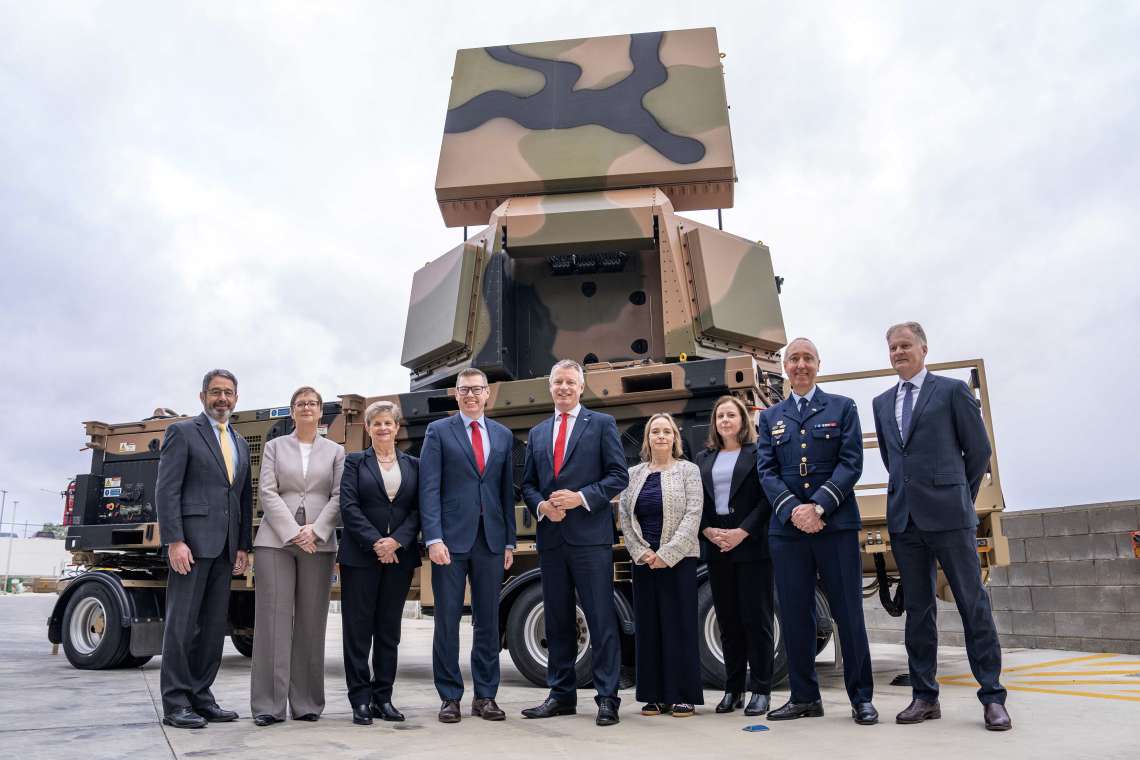
The agreement covers Active Electronically Scanned Array, or AESA, technology, which is supplied to the Australian Armed Forces and is intended to help the UK Armed Forces respond to a changing operational environment.
The initiative follows an agreement reached during the Australia-UK Ministerial Consultations (AUKMIN) in June. The UK Government said the latest cooperation aimed to strengthen supply chains and create export opportunities for the defence industries of both countries.
Pollard and Australian Defence Industry Minister Pat Conroy visited CEA Technologies, where they welcomed the agreement and met staff working on radar technology. Pollard said: “This radar agreement shows what our partnership with Australia delivers in practice: industry stepping up, technology for our Armed Forces, and trust between our nations deepening. Working in lockstep with Australia we can drive jobs and growth while reinforcing our collective security.”
Steve Wadey, Group Chief Executive Officer of QinetiQ, said: “QinetiQ’s unique expertise positions us as a strategic and trusted partner to the UK MOD and its allies. Current conflicts remind us of the importance of air defences which are increasingly under pressure and QinetiQ is proud to play a key role in bringing this vital technology to the UK.”
The signing is part of Pollard’s week-long visit to Australia and New Zealand, during which he is holding talks with ministers and visiting defence industry sites.
In Canberra, Pollard also met Australian Resources Minister Madeleine King to discuss cooperation on critical minerals. He held talks with interim National Armaments Director Nadine Williams on defence capability and industrial collaboration.
Pollard is also due to visit Henderson Shipyard in Western Australia, where investment connected with AUKUS, the security partnership between Australia, the UK and the United States, is supporting industrial and skills development.
AUKUS is expected to create more than 10,000 jobs in Western Australia and a further 10,000 in South Australia. Recent supply-chain initiatives are also generating work for 39 Australian companies, while Australian personnel are working across UK defence and industry organisations.
The UK Government said more than 3,000 jobs have been created across key British nuclear sites since July 2024 as part of AUKUS-related activity. It said construction of SSN-AUKUS submarines is expected to create more than 7,000 additional jobs across the UK supply chain.
Pollard will travel to New Zealand later in the week, where he is due to visit Devonport Naval Base in Auckland and meet defence industry representatives to discuss closer cooperation on maritime capabilities.
A prospective UK-New Zealand maritime partnership, which includes Babcock’s Type 31 Frigate offer, could create up to 1,000 jobs and bring NZ$300 million of investment into the New Zealand economy, according to the UK Government. Pollard’s programme will also include further meetings with Australian and New Zealand ministers and visits to defence industry sites, including Rocket Lab and SYOS Aerospace.