UK inflation fell to 3% in January, the lowest level since March 2025, driven by drops in petrol prices, air fares and food costs. The decline has increased the likelihood of an interest rate cut by the Bank of England as early as March, with money markets now pricing in an 86% probability …reports Asian Lite News
UK inflation slowed to 3 per cent in January, marking the lowest level since March 2025 and giving fresh momentum to expectations of an early interest rate cut from the Bank of England. The Office for National Statistics attributed the decline to falls in petrol prices, air fares and food costs, a sequence that aligns with the majority of City economists’ forecasts.
The latest figures represent a significant drop from the 3.8 per cent peak recorded last year. Most economists now expect inflation to retreat quickly towards the Bank’s 2 per cent target during 2026, creating space for policymakers to consider rate reductions as soon as next month. Money markets have reflected the shift, indicating an 86 per cent probability of a rate cut to 3.5 per cent in March, up from 77 per cent before the inflation data was released.
Household budgets have received particular relief from food price movements. The rise in prices for food and non-alcoholic drinks slowed sharply to 3.6 per cent in the year to January, down from 4.5 per cent in December and reaching a nine-month low. The Office for National Statistics noted that lower prices for bread and cereals, together with reduced meat costs, drove much of this improvement.
Fuel markets have also delivered benefits to consumers. Petrol and diesel prices fell by 2.2 per cent over the year compared with a 0.9 per cent rise in the equivalent period twelve months earlier. Between December and January, the average price of petrol fell by 3.1p per litre to 133.2p, whilst diesel fell by 3.2p to 142.5p. Air fares provided additional downward pressure on inflation, with prices dropping back following increases recorded in December.
Grant Fitzner, chief economist at the Office for National Statistics, observed that these movements reflected broader commodity trends. He stated, “The cost of raw materials for businesses fell over the past year, driven by lower crude oil prices, while the increase in the cost of goods leaving factories slowed.” Hotel stays and takeaway prices partially offset these improvements, indicating that certain consumer-facing costs remain elevated.
The picture on core inflation, which excludes volatile elements such as energy, food and alcohol, presents a more nuanced outlook. Core inflation eased to 3.1 per cent in the year to January, down from 3.2 per cent in December and reaching its lowest level since 2021. However, services inflation, which measures consumer-facing services including hospitality and entertainment, only declined to 4.4 per cent from 4.5 per cent, remaining above the Bank’s forecast of 4.1 per cent.
The Bank of England’s interest rate decision becomes more significant given broader economic trends. Data released last week showed that the country’s economy expanded by only 0.1 per cent in the three months to the end of December, suggesting limited momentum in growth. Unemployment has also risen to a five-year high of 5.2 per cent, whilst private sector earnings growth slowed to 3.4 per cent over the year to December, down from 3.6 per cent in November.
Suren Thiru, economics director at the Institute of Chartered Accountants in England and Wales, suggested that the inflation figures made a spring rate cut appear likely. He stated, “These figures make a spring interest rate cut look almost assured, though a lingering question among policymakers will be whether to pull the trigger in March or April as some may want slightly more evidence of easing inflation before reducing rates.”
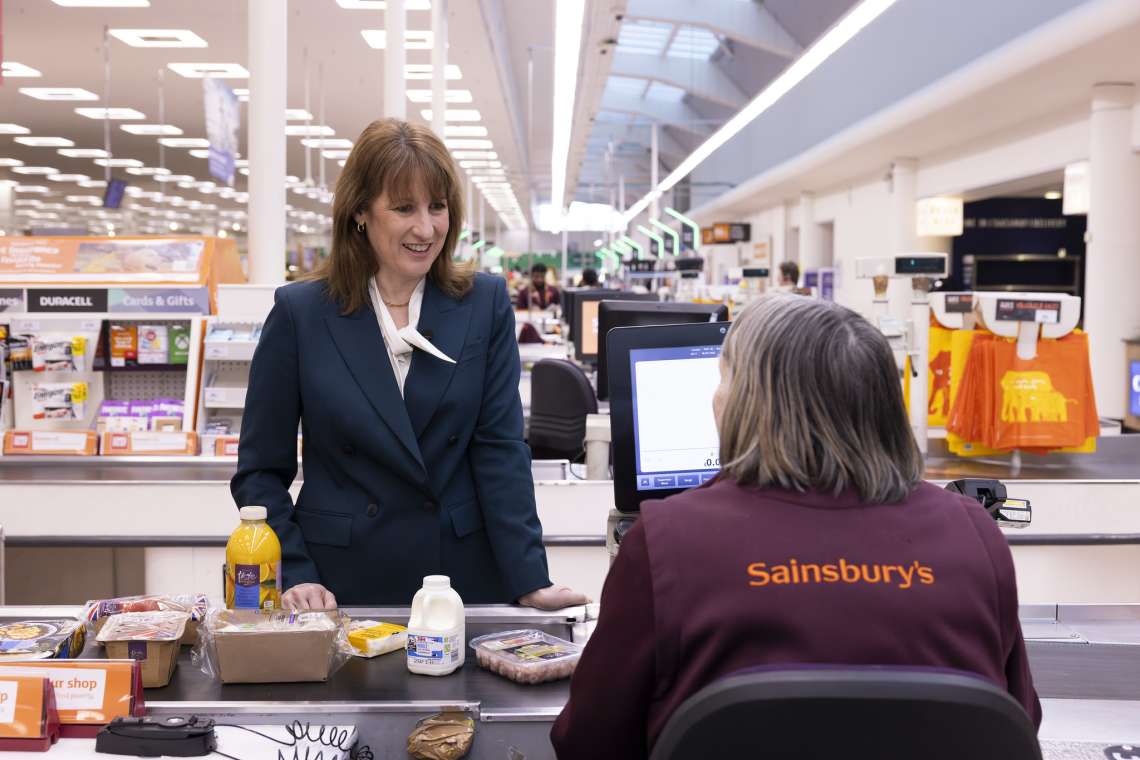
The government has positioned itself to benefit from further inflation falls. Chancellor Rachel Reeves implemented measures in November’s budget designed to reduce living costs, principally through energy bill reductions and rail fare freezes. Yael Selfin, chief economist at KPMG, indicated that the combined impact of the government’s energy bill package and falling wholesale gas prices could see household energy bills decrease by approximately 7 per cent from April. Global food price declines are also expected to feed through to UK households during the same period.
The chancellor said, “Cutting the cost of living is my number one priority. Thanks to the choices we made at the budget we are bringing inflation down, with £150 off energy bills, a freeze in rail fares for the first time in 30 years and prescription fees frozen again. Our economic plan is the right one, to cut the cost of living, cut the national debt, and create the conditions for growth and investment in every part of the country.”