March 31, 2026
2 mins read

UK MP Sounds Alarm on Anti‑Indian Hate Online

UK MP Bob Blackman warns of rising online anti‑Indian hate linked to immigration debate, urging tech platforms and authorities to counter discrimination against Indian diaspora communities, reports Asian Lite Newsdesk

A British lawmaker has sounded the alarm over a significant rise in anti‑Indian rhetoric on social media, warning that the spread of hateful online content could have real‑world consequences for Indian diaspora communities in the United Kingdom and beyond.

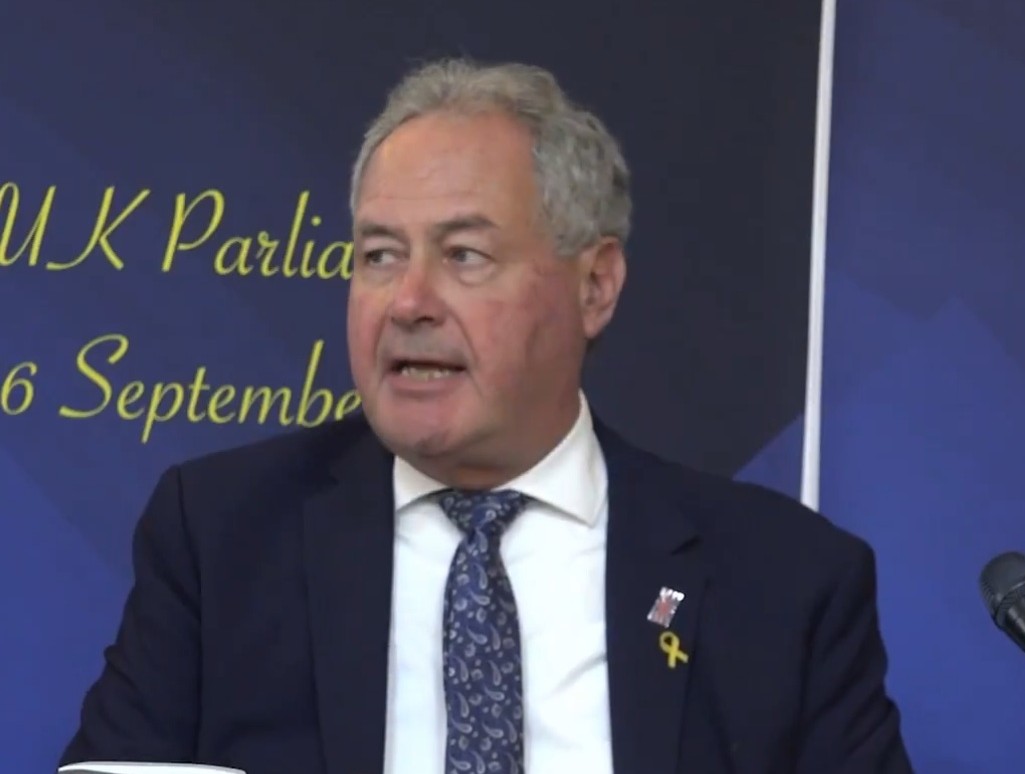
Bob Blackman, Conservative Member of Parliament for Harrow East, described research findings as “deeply concerning” after an independent U.S. think tank reported a sharp increase in anti‑Indian speech online last year. The study, conducted by the Network Contagion Research Institute (NCRI), found that anti‑Indian rhetoric on platforms such as X tripled in 2025, with more than 24,000 offensive posts generating over 300 million views.

The NCRI research linked spikes in online hostility to major U.S. immigration policy announcements, especially those affecting the H‑1B work visa programme. Analysts found that debate around visa policy frequently overlapped with conspiracy‑laden comments suggesting Indian immigrants were attempting to displace American workers, a theme that fuelled scapegoating and slurs against Indian people online.

Abusive language identified in the report included racially charged terms and derogatory stereotypes targeting Indians as “invaders”, “economic replacers”, or reducing them to cultural tropes. The study’s authors warned that such online surges in ethnic antagonism often precede outbreaks of discrimination and even violence against targeted groups.

Blackman, whose constituency includes a large Indian and Hindu community, also pointed to recent harassment incidents linked to anti‑Indian sentiment. “This is a coordinated campaign driven by a small number of accounts deliberately targeting the Indian community, its culture, and its contribution to public life,” he said. “It is racism, plain and simple. The Indian diaspora here in Harrow, across the UK, and the world, makes an extraordinary contribution to our societies. That contribution deserves celebration. I will always stand against any form of discrimination targeting our Indian community.”

The NCRI report, titled From Policy Drift to Purity Grift: How a Small Network Hijacked the Immigration Debate, found that announcements such as a temporary $100,000 application fee for employers hiring H‑1B workers and tightened visa restrictions for travel agencies in India corresponded with measurable increases in slurs and calls for deportation targeting Indians.

Researchers also noted that abusive posts were increasingly moving from the digital sphere into offline harassment, including at places of worship such as Hindu temples. The report called on social media platforms to strengthen enforcement against hate speech and urged greater awareness and action from law enforcement agencies.


Newsdesk

Newsdesk

Aravind Rajeev is Deputy News Editor at Asian Lite, mostly covering the Middle East and GCC. He has over eight years of experience as a journalist, with a background in ground-level reporting, crime reporting, as well as international and regional news.

Previous Story

Delhi-Colombo Connectivity Gets Major Upgrade

Next Story

Extremism Risk Grows as Bangladesh Democracy Contracts

Previous Story

Delhi-Colombo Connectivity Gets Major Upgrade

Next Story

Extremism Risk Grows as Bangladesh Democracy Contracts

Latest from -Top News

Pakistan Risks Overstretching Itself in Yemen War

Pakistan’s expanding military role in Saudi Arabia amid the Yemen conflict could strain its defence resources and fragile finances…reports Asian Lite News Desk Pakistan’s military involvement in the war in Yemen may prove unsustainable because of mounting financial pressures and competing security demands, according to a new report. Islamabad’s growing military presence in Saudi Arabia risks stretching its defence resources while exposing the country to greater strategic and economic challenges. An article by Andrew Wilson in One World Outlook describes Pakistan’s involvement as a case of “fiscal and strategic overreach”, arguing that the country lacks the financial flexibility to sustain an expanded military commitment. Pakistan’s external finances depend heavily on an International Monetary Fund (IMF) programme, financial support from Gulf countries and remittances from Pakistani workers in the region. The report argues that deeper military involvement in the conflict could place additional pressure on these sources of financial stability. It also warns that deploying troops and military equipment abroad could weaken Pakistan’s capacity to address security challenges along its eastern border and deal with two domestic insurgencies. The move could also draw Islamabad into a conflict it has sought to approach cautiously. A Reuters report in May, citing Pakistani security and government sources, said Islamabad had deployed around 8,000 troops, a squadron of approximately 16 aircraft, mostly JF-17 fighter jets, two drone squadrons and a Chinese HQ-9 air-defence battery to Saudi Arabia. According to those sources, Riyadh was financing the deployment, with Pakistani personnel operating the equipment. The sources also said a confidential agreement contemplated the possibility of deploying up to 80,000 troops. Islamabad has not confirmed those figures, although it has acknowledged its military presence in Saudi Arabia, including the deployment of fighter jets at King Abdulaziz Air Base from April. The One World Outlook article argues that Saudi financial support can cover allowances and operating expenses but cannot easily replace military equipment needed elsewhere or resolve the political and strategic challenges of participating in the Yemen conflict. Pakistan’s defence budget is another concern. For the 2026-27 financial year, the federal government allocated PKR 3 trillion, or approximately $10.8 billion, to defence services. The allocation represents an 18 per cent increase from the original PKR 2.55 trillion provision and amounts to around 2.1 per cent of projected gross domestic product (GDP). Defence spending accounts for approximately 16 per cent of the federal government’s PKR 18.8 trillion expenditure. Military pensions are budgeted separately at PKR 822 billion, while debt servicing costs stand at approximately PKR 8 trillion, more than two-and-a-half times the defence allocation. The report argues that these competing financial obligations leave little room for additional military expenditure without placing further pressure on public finances. Pakistan’s reliance on IMF assistance also limits its fiscal flexibility. The country must meet the conditions attached to the programme, including a primary budget surplus target of 2 per cent of GDP and continued restraint on development spending. According to the article, these requirements make it difficult for Islamabad to finance an additional military commitment without compromising other budgetary priorities. Pakistan’s economic indicators offer limited reassurance. Economic growth for the 2025-26 financial year is estimated at between 3.6 and 3.7 per cent, while inflation reached approximately 10.3 per cent in September following an energy price shock. Foreign exchange reserves stood at around $21.5 billion at the end of September. Although this marks an improvement from the low levels recorded in 2023, the report notes that the reserves cover only a few months of imports. Financial assistance from Gulf partners remains central to Pakistan’s external stability. The article says Islamabad holds approximately $8 billion in Saudi deposits at its central bank. In July, the State Bank of Pakistan said Riyadh had extended the maturity of $5 billion in deposits to December 2028, easing the country’s immediate external financing requirements. A further $3 billion deposit was also extended in the spring. However, the article argues that these arrangements provide temporary relief rather than long-term financial independence, particularly as regional conflict threatens the stability of the Gulf economies on which Pakistan relies. The report concludes that Pakistan faces a difficult balance between supporting Saudi Arabia militarily and preserving the financial and military resources needed to address its domestic and regional challenges.

UK and Germany Ratify Kensington Treaty

Britain and Germany ratify the Kensington Treaty, agreeing new cooperation on AI, quantum research, defence and security while targeting investment, jobs and Russian hybrid threats…reports Asian Lite News Desk Britain and Germany

Economic tide is turning in Bangladesh

If there is one thing that can bring some comfort to the struggling Bangladeshi economy, it is good relations with India. Bangladesh should remember that Delhi’s backing, through easy supplies of essentials
Go toTop

Don't Miss

UK unites for Yoga Day

Celebrations held across iconic landmarks and campuses under theme ‘One

Campaign Highlights Missing Girls

The campaign draws inspiration from Acharya Prashant, the Indian philosopher