The campaign draws inspiration from Acharya Prashant, the Indian philosopher and teacher, who has highlighted how male preference can create dangerous societal imbalances
A leading London-based media and marketing agency, Here&Now365, has launched a campaign titled “The Missing” to draw attention to the imbalance in birth ratios among Indian-origin families in the UK. The initiative aims to spark reflection and conversation within communities about the value of daughters and the need to confront harmful cultural norms that favour male children.
The campaign follows an analysis of Office for National Statistics (ONS) birth data, which shows that between 2021 and 2025, approximately 118 boys were born for every 100 girls to Indian mothers in the UK. By comparison, the national average across all ethnicities stands at around 105 boys per 100 girls. Demographic experts note that ratios exceeding 107 boys to 100 girls are widely recognised as a potential indicator of sex-selective practices.
“When statistics begin to show a worrying imbalance, silence is no longer an option,” said Manish Tiwari, Founder of Here&Now365. He emphasised that communicators have a responsibility not only to promote brands but also to shine a light on social issues. “This campaign aims to challenge outdated attitudes and reinforce a simple truth: girls deserve the same chance to be born, loved, and celebrated,” Tiwari added.
The campaign draws inspiration from Acharya Prashant, the Indian philosopher and teacher, who has highlighted how male preference can create dangerous societal imbalances. Tiwari said the campaign seeks to reflect on what these numbers represent: absence. Beyond statistics, such imbalances reinforce patriarchy and sexism, creating distortions at every level of society and deepening social consequences over generations.
The launch of The Missing follows Tiwari’s recent white paper on the achievements of the Indian diaspora in the UK, developed in collaboration with the Aston India Centre at Aston University. While the report celebrates the Indian community as one of the UK’s most economically successful and high-achieving migrant groups, Tiwari stressed that no community is above scrutiny. Harmful practices, even in prosperous communities, need to be addressed openly.
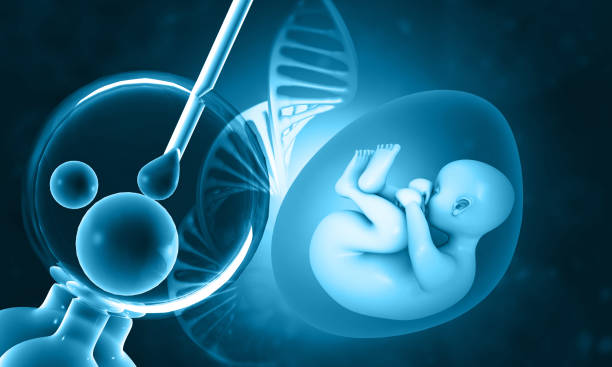
The campaign also highlights broader cultural pressures contributing to son preference, which can influence family decisions and reinforce systemic gender bias. Policymakers and campaigners in the UK have raised concerns around sex-selective abortions. Labour MP Virendra Sharma told the BBC Asian Network that the practice is “not cultural or religious” but rather a societal issue. He emphasised the importance of empowering women carrying the child so they can access legal remedies if pressured to terminate a pregnancy based on the baby’s sex.
In the UK, terminating a pregnancy solely on the grounds of a baby’s sex is illegal. Guidance issued by the Department of Health and Social Care in 2014 confirms that such actions constitute a criminal offence in England and Wales.
As Tiwari noted, when birth ratios shift, it is not just a statistic that changes—someone is missing. The Missing campaign seeks to remind communities of the human cost behind the numbers and to inspire conversations that value daughters equally, challenging attitudes that perpetuate gender inequality.