October 8, 2021
2 mins read

The Ministry’s delegation visits Riyadh International Book Fair 2021

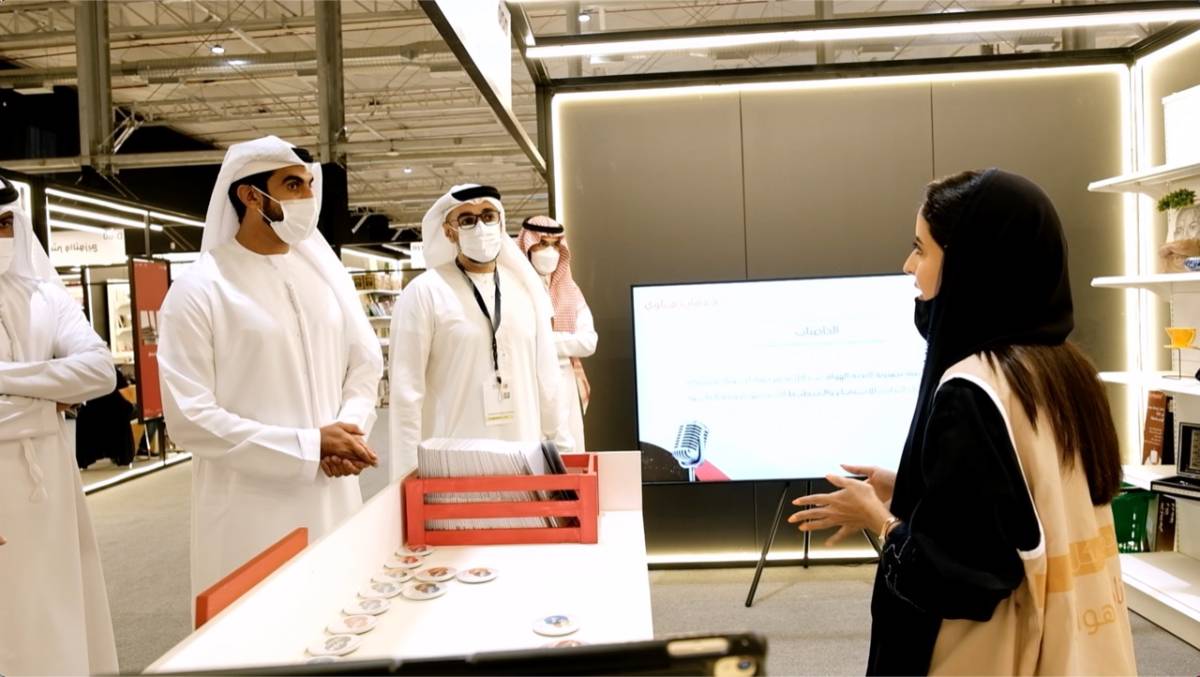
A delegation from the Ministry of Culture and Youth visited the Riyadh International Book Fair 2021…reports Asian Lite News

Held under the patronage of King Salman bin Abdulaziz Al Saud, the book fair takes place from October 1st to 10th at Riyadh Front. The Ministry’s delegation participated in the opening of the International Conference of Publishers and the dialogue session presented by Saudi Authority for Intellectual Property.

The delegation, headed by Mubarak Al Nakhi, Under-Secretary of the Ministry of Culture and Youth, and Ali Al Shaali, Acting Assistant Under-Secretary of the Heritage and Arts Sector at the Ministry, was received by Dr. Abdul Latif Al Wasl, General Manager of the Riyadh International Book Fair.
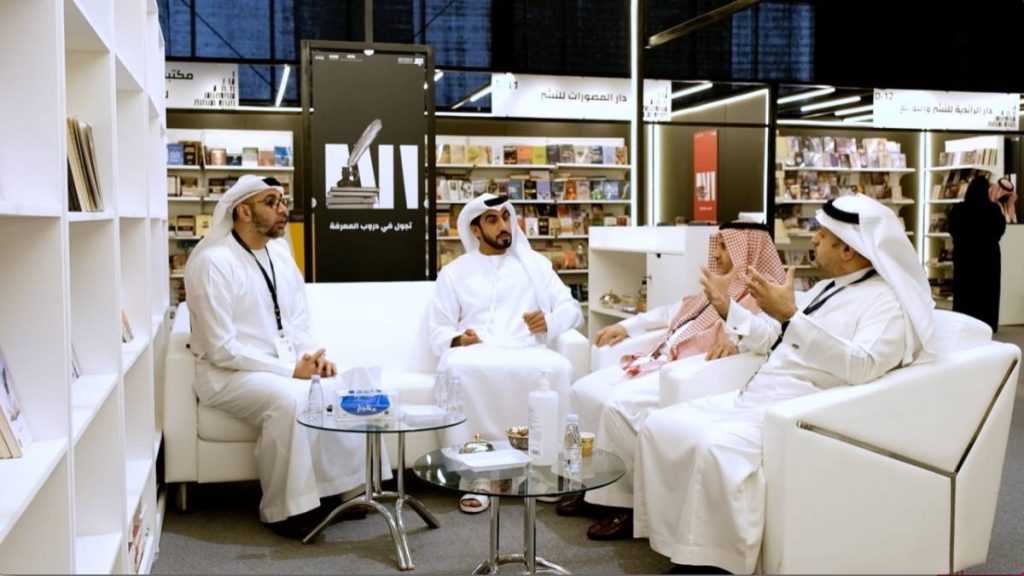
The Ministry’s delegation visits Riyadh International Book Fair 2021

Dr Abdul Latif Al Wasl briefed the attendees about the qualitative initiatives in the publishing sector, the tireless efforts of Saudi Arabia in advancing the writing industry, and the role of the Riyadh International Book Fair in supporting the knowledge and cultural renaissance to promote books and expand their reach among the intellectual community.

The Ministry’s delegation met with Sheikha Bodour bint Sultan Al Qasimi, President of the International Publishers Association (IPA), Founder and President of the Emirates Publishers Association, and Bashar Shabaro, Secretary-General of the Arab Publishers Union to strengthen cooperation and improve the publishing sector. The delegation discussed how to turn challenges into opportunities to further develop the publishing industry, especially under the circumstances imposed by the COVID-19 pandemic.

ALSO READ: UAE’s Golden Jubilee launched at Al Ain Book Fair

The delegation also visited the UAE platforms participating in the book fair, including the Abu Dhabi Arabic Language Center, The Kalima Project, Manassah Platform by the Emirati Publishers Association (EPA). They visited the Saudi pavilions including the Audiovisual media Authority (AMA), the Riyadh Literary Club, the ‘Howie’ initiative and ‘Makaniz Almakhtotat’ initiative.

MUBARAK AL NAKHI, UNDER-SECRETARY, MINISTRY OF CULTURE AND YOUTH: “Riyadh International Book Fair is a renowned cultural event that underlines the importance of books as key tools in spreading culture and knowledge and enriching the intellectual and cognitive thinking. This annual event aims to make reading as a way of life which instills intellectualism in society. Reading is the foundation of a society and has led to cultural renaissances witnessed by many countries and societies.

“The remarkable efforts of Saudi Arabia and the curators of this book fair translate the vision of the Custodian of the Two Holy Mosques, King Salman bin Abdulaziz Al Saud, to support the spread of knowledge. Such initiatives strengthen the book industry, an essential engine for the advancement of people and communities culturally, intellectually and creatively.”
Previous Story

28 civilians killed by terrorists in Kashmir in 2021: IG

Next Story

DCT Abu Dhabi updated Green List countries

Previous Story

28 civilians killed by terrorists in Kashmir in 2021: IG

Next Story

DCT Abu Dhabi updated Green List countries

Latest from Arab News

Pakistan Risks Overstretching Itself in Yemen War

Pakistan’s expanding military role in Saudi Arabia amid the Yemen conflict could strain its defence resources and fragile finances…reports Asian Lite News Desk Pakistan’s military involvement in the war in Yemen may prove unsustainable because of mounting financial pressures and competing security demands, according to a new report. Islamabad’s growing military presence in Saudi Arabia risks stretching its defence resources while exposing the country to greater strategic and economic challenges. An article by Andrew Wilson in One World Outlook describes Pakistan’s involvement as a case of “fiscal and strategic overreach”, arguing that the country lacks the financial flexibility to sustain an expanded military commitment. Pakistan’s external finances depend heavily on an International Monetary Fund (IMF) programme, financial support from Gulf countries and remittances from Pakistani workers in the region. The report argues that deeper military involvement in the conflict could place additional pressure on these sources of financial stability. It also warns that deploying troops and military equipment abroad could weaken Pakistan’s capacity to address security challenges along its eastern border and deal with two domestic insurgencies. The move could also draw Islamabad into a conflict it has sought to approach cautiously. A Reuters report in May, citing Pakistani security and government sources, said Islamabad had deployed around 8,000 troops, a squadron of approximately 16 aircraft, mostly JF-17 fighter jets, two drone squadrons and a Chinese HQ-9 air-defence battery to Saudi Arabia. According to those sources, Riyadh was financing the deployment, with Pakistani personnel operating the equipment. The sources also said a confidential agreement contemplated the possibility of deploying up to 80,000 troops. Islamabad has not confirmed those figures, although it has acknowledged its military presence in Saudi Arabia, including the deployment of fighter jets at King Abdulaziz Air Base from April. The One World Outlook article argues that Saudi financial support can cover allowances and operating expenses but cannot easily replace military equipment needed elsewhere or resolve the political and strategic challenges of participating in the Yemen conflict. Pakistan’s defence budget is another concern. For the 2026-27 financial year, the federal government allocated PKR 3 trillion, or approximately $10.8 billion, to defence services. The allocation represents an 18 per cent increase from the original PKR 2.55 trillion provision and amounts to around 2.1 per cent of projected gross domestic product (GDP). Defence spending accounts for approximately 16 per cent of the federal government’s PKR 18.8 trillion expenditure. Military pensions are budgeted separately at PKR 822 billion, while debt servicing costs stand at approximately PKR 8 trillion, more than two-and-a-half times the defence allocation. The report argues that these competing financial obligations leave little room for additional military expenditure without placing further pressure on public finances. Pakistan’s reliance on IMF assistance also limits its fiscal flexibility. The country must meet the conditions attached to the programme, including a primary budget surplus target of 2 per cent of GDP and continued restraint on development spending. According to the article, these requirements make it difficult for Islamabad to finance an additional military commitment without compromising other budgetary priorities. Pakistan’s economic indicators offer limited reassurance. Economic growth for the 2025-26 financial year is estimated at between 3.6 and 3.7 per cent, while inflation reached approximately 10.3 per cent in September following an energy price shock. Foreign exchange reserves stood at around $21.5 billion at the end of September. Although this marks an improvement from the low levels recorded in 2023, the report notes that the reserves cover only a few months of imports. Financial assistance from Gulf partners remains central to Pakistan’s external stability. The article says Islamabad holds approximately $8 billion in Saudi deposits at its central bank. In July, the State Bank of Pakistan said Riyadh had extended the maturity of $5 billion in deposits to December 2028, easing the country’s immediate external financing requirements. A further $3 billion deposit was also extended in the spring. However, the article argues that these arrangements provide temporary relief rather than long-term financial independence, particularly as regional conflict threatens the stability of the Gulf economies on which Pakistan relies. The report concludes that Pakistan faces a difficult balance between supporting Saudi Arabia militarily and preserving the financial and military resources needed to address its domestic and regional challenges.

Houthis Claim Missile Strike on Riyadh Airport

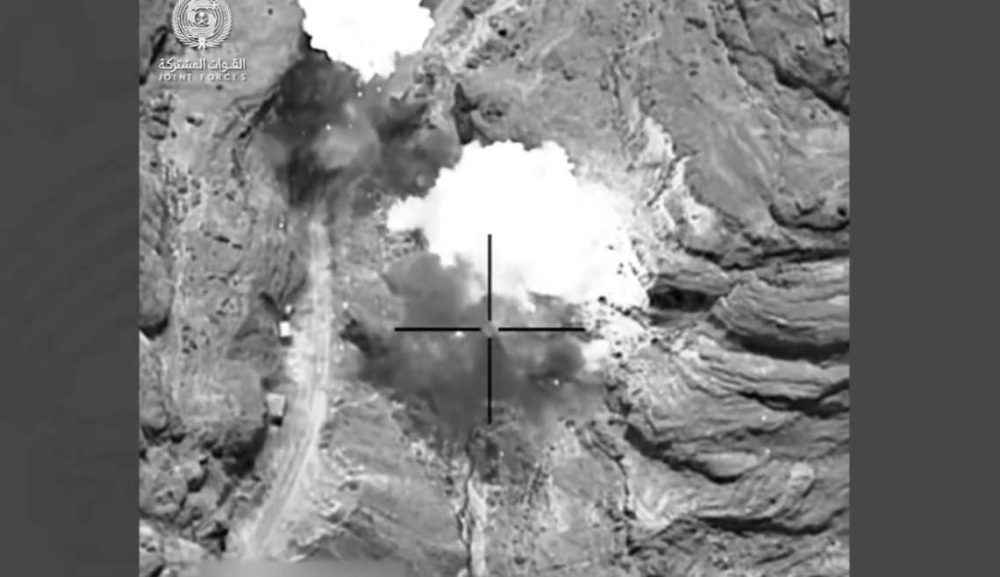
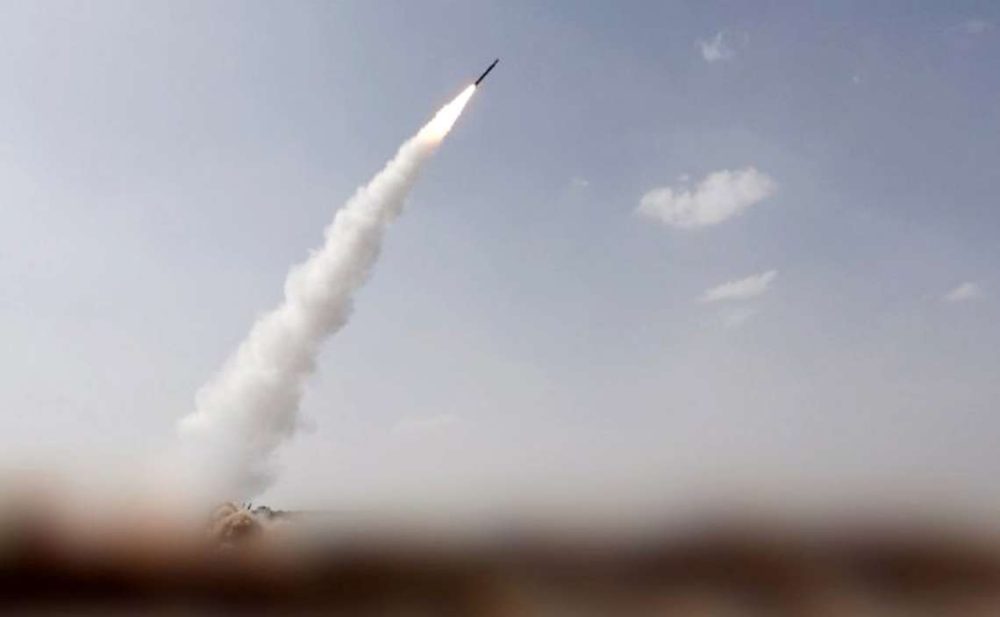
Yemen’s Houthi group claims a ballistic missile struck Riyadh’s King Khalid International Airport, with Saudi authorities yet to confirm the latest attack…reports Asian Lite News Desk Yemen’s Houthi group has claimed responsibility

Saudi Arabia to receive forces under Mecca Defence Alliance

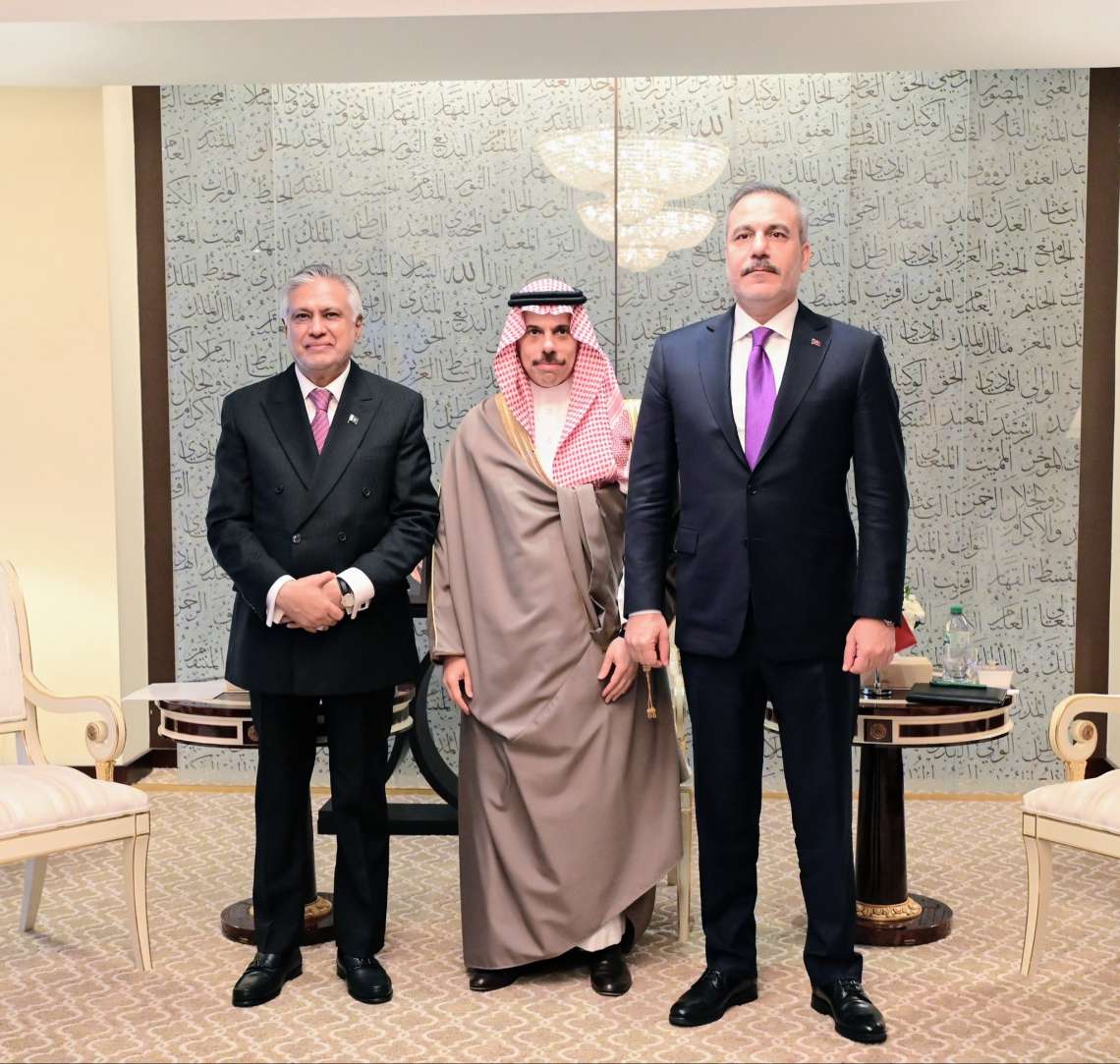
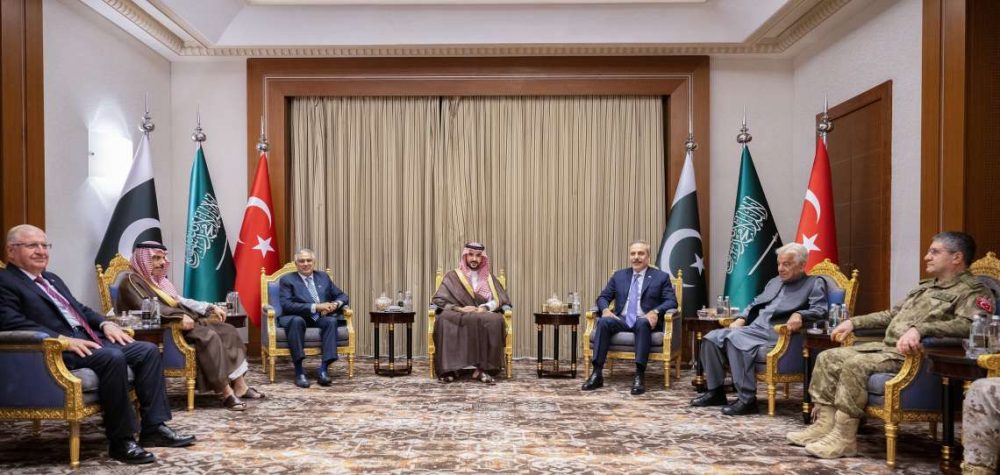
Saudi Arabia, Pakistan and Turkiye have activated collective-defence commitments, agreeing to deploy military capabilities as regional tensions and threats against the Kingdom persist…reports Asian Lite News Desk Saudi Arabia, Pakistan and Turkiye

India-UAE Trade Ties in Focus

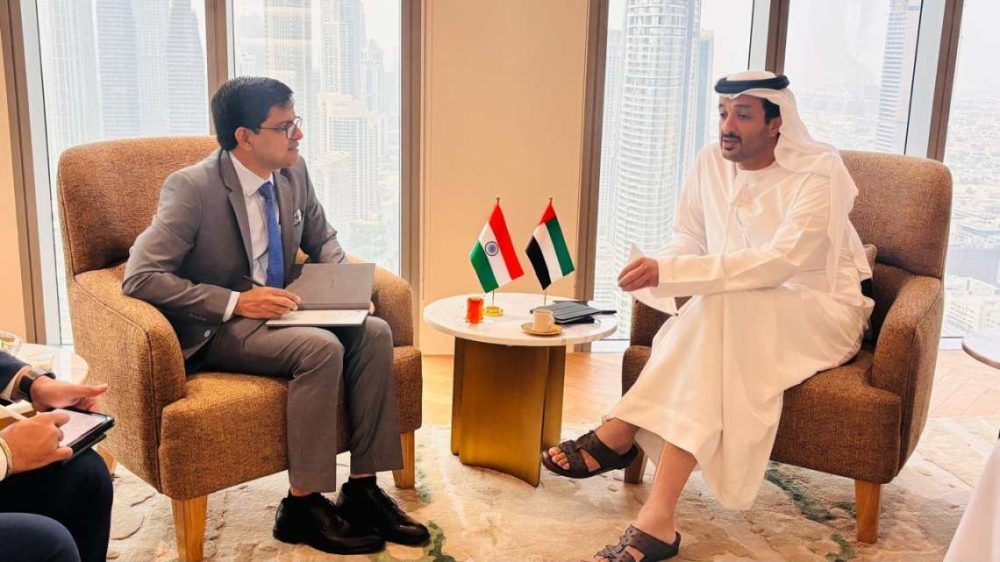
India and the UAE have discussed expanding bilateral trade, investment and business partnerships amid broader economic cooperation…reports Asian Lite News Desk India and the United Arab Emirates (UAE) discussed ways to further
Go toTop

Don't Miss

Houthi claim responsibility for missile attack on Saudi city

Yemen’s Houthi militia have claimed responsibility for a ballistic missile

Saudi vows support to resolve Ukraine crisis politically

The two top diplomats also discussed bilateral relations and ways