November 3, 2021
3 mins read

Crores down the drain as Agra among most polluted cities

Local green activists blamed the state government agencies which had dug up the whole city for various developmental projects….writes Brij Khandelwal

When people in Agra learnt from daily newspapers on Tuesday morning that the city ranked third among the most polluted cities in India, nobody was amused. Rather a range of questions began doing the rounds questioning the claims of government agencies engaged in the Swachch Bharat Abhiyan.

Since the Supreme Court took up the PIL of MC Mehta on pollution threats to the Taj Mahal in 1993, thousands of crores of rupees have been spent in the Taj Trapezium Zone on controlling pollution, but the results are not visible to the public.

On Monday, Agra was in the red zone, with the ambient air becoming highly toxic and polluted. Ahead of the Diwali celebrations the alarm bells have begun ringing. In the list released by the Central Board for Pollution Control, Agra’s AQI index was 327, with the dust level (Suspended particulate matter SPM), PM 2.5, Carbon Monoxide levels shooting up beyond tolerable limits.

The State Pollution Control Board has routinely sent out notices to a number of agencies including the Metro Corporation, the UP Jal Nigam, the Smart City Co and the Agra Development Authority, directing them to follow the guidelines to bring down the pollution levels. Vishwanath Sharma, regional officer of the UPPCB, said action would soon follow against those found responsible for adding to the pollution in the city. Close to the Taj Mahal, the pollution level was found to be dangerously high.

Local green activists blamed the state government agencies which had dug up the whole city for various developmental projects. The National Highway Authority too has been accused of not promptly attending to calls for road repairs of the three national highways that crisscross the city. Work on the Agra Metro in the vicinity of the Taj Mahal has also added to the pollution, environmentalist Devashish Bhattacharya said.

Clearly, in the city of monuments, Prime Minister Narendra Modi’s ‘Swachch Bharat Abhiyan’ (Clean India Mission) appears to have run aground and made no discernible change to the city’s profile or the upkeep of basic amenities, according to the locals, though the mayor and other officials of the Agra Municipal Corporation dismiss these concerns.

“The reason why the city remains so dirty and disorganised is because of the wrong priorities of the government. The officials spend more time on organising fairs and festivals than on getting the basics fixed,” feel members of the River Connect Campaign. “Cleaning up the city and streamlining the traffic management plan, or improving the law and order situation, are nowhere on the priority list,” they said.

Local politicians have no role to play in cleaning up the city or the Yamuna river. On paper, public toilets have been opened but in large parts of the city, people still defecate in the open, along the drains. “As you enter the city, a strange stink or odour hits you and never leaves you till you leave the city.”

“Elsewhere they roll out a red carpet for guests. In Agra you have animal dung on the roads and a stink in the air welcoming people. Little wonder no one wants to stay back for the night in Agra,” Surendra Sharma, president of the Braj Mandal Heritage Conservation Society, said.

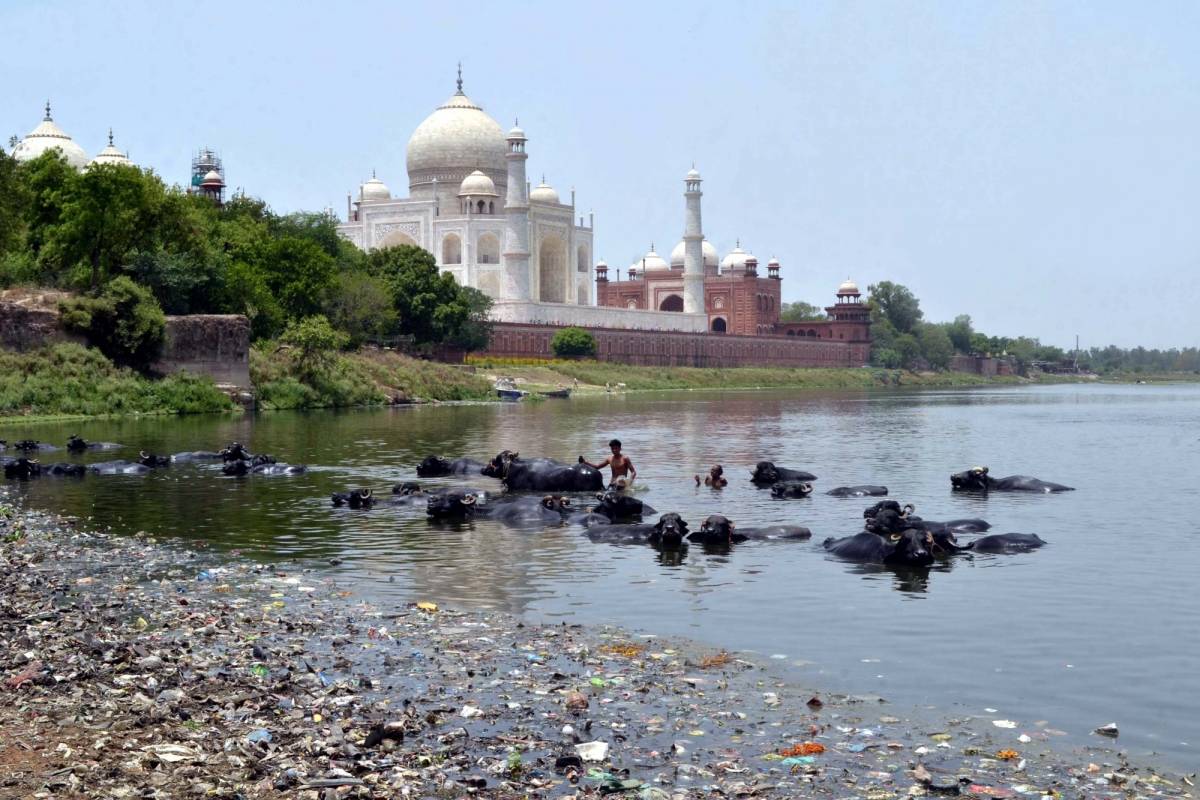
Environmentalists in the city blame the Yamuna river, which has been reduced to a huge sewage canal for want of fresh water. “The city’s sewer system is choked, the treatment plants are not working. In many localities waste water, including sewage is being directly pumped into the earth through borewells,” a river activist said.

Agra’s sewage system is maintained by a Chennai-based company, which has come under heavy fire from all sides, while a Bengaluru based company has been hired for garbage collection in the city.
ALSO READ: Big push to exempt India from defence sanctions

Previous Story

Hamdan visits pavilions of Spain, Hungary, S Korea

Next Story

Citi signs on as official sponsor of the USA Pavilion

Previous Story

Hamdan visits pavilions of Spain, Hungary, S Korea

Next Story

Citi signs on as official sponsor of the USA Pavilion

Latest from -Top News

Pakistan Risks Overstretching Itself in Yemen War

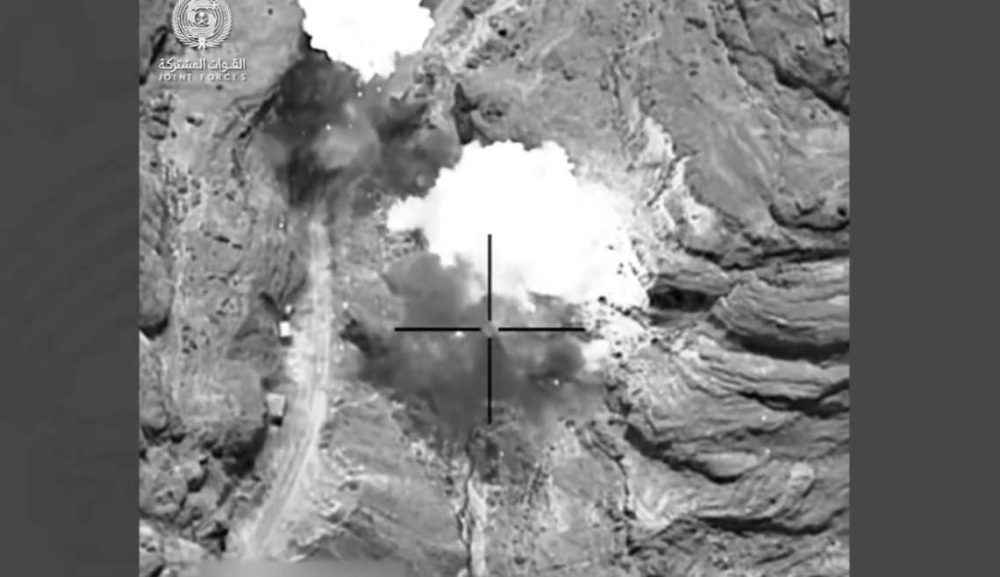
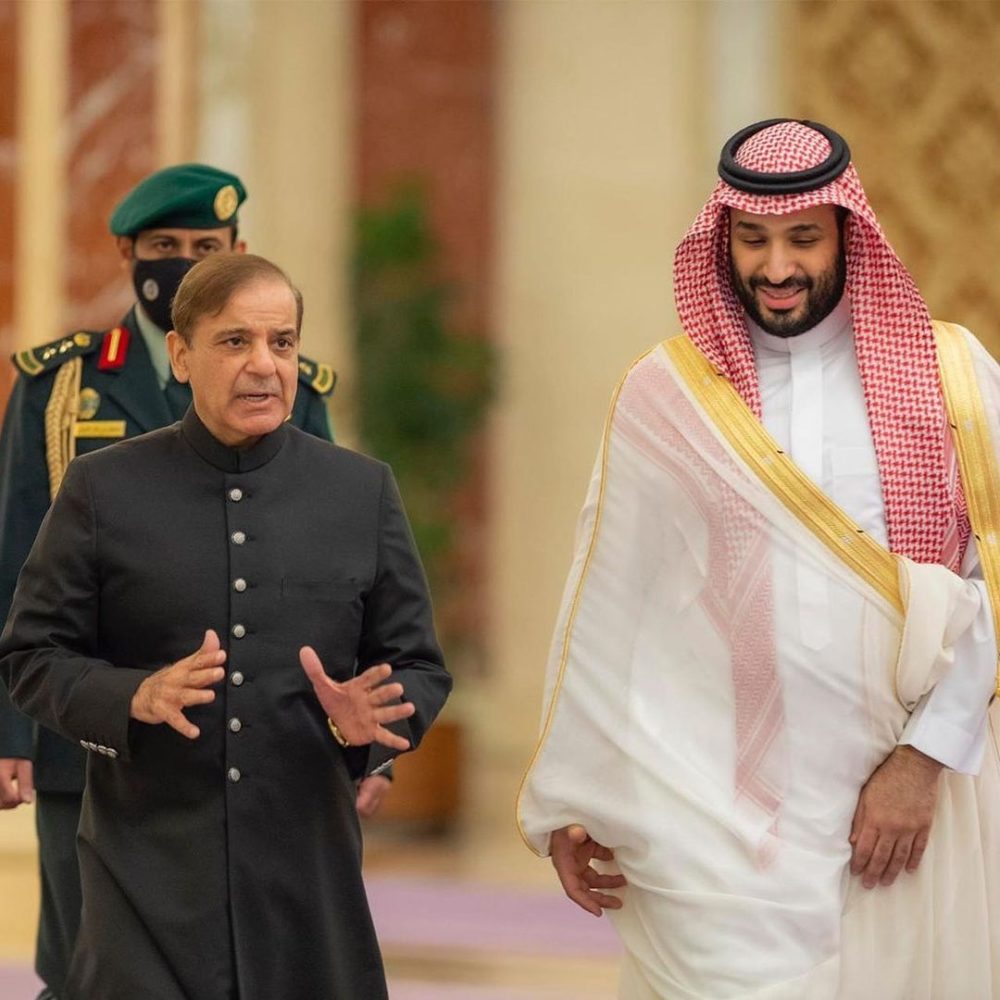
Pakistan’s expanding military role in Saudi Arabia amid the Yemen conflict could strain its defence resources and fragile finances…reports Asian Lite News Desk Pakistan’s military involvement in the war in Yemen may prove unsustainable because of mounting financial pressures and competing security demands, according to a new report. Islamabad’s growing military presence in Saudi Arabia risks stretching its defence resources while exposing the country to greater strategic and economic challenges. An article by Andrew Wilson in One World Outlook describes Pakistan’s involvement as a case of “fiscal and strategic overreach”, arguing that the country lacks the financial flexibility to sustain an expanded military commitment. Pakistan’s external finances depend heavily on an International Monetary Fund (IMF) programme, financial support from Gulf countries and remittances from Pakistani workers in the region. The report argues that deeper military involvement in the conflict could place additional pressure on these sources of financial stability. It also warns that deploying troops and military equipment abroad could weaken Pakistan’s capacity to address security challenges along its eastern border and deal with two domestic insurgencies. The move could also draw Islamabad into a conflict it has sought to approach cautiously. A Reuters report in May, citing Pakistani security and government sources, said Islamabad had deployed around 8,000 troops, a squadron of approximately 16 aircraft, mostly JF-17 fighter jets, two drone squadrons and a Chinese HQ-9 air-defence battery to Saudi Arabia. According to those sources, Riyadh was financing the deployment, with Pakistani personnel operating the equipment. The sources also said a confidential agreement contemplated the possibility of deploying up to 80,000 troops. Islamabad has not confirmed those figures, although it has acknowledged its military presence in Saudi Arabia, including the deployment of fighter jets at King Abdulaziz Air Base from April. The One World Outlook article argues that Saudi financial support can cover allowances and operating expenses but cannot easily replace military equipment needed elsewhere or resolve the political and strategic challenges of participating in the Yemen conflict. Pakistan’s defence budget is another concern. For the 2026-27 financial year, the federal government allocated PKR 3 trillion, or approximately $10.8 billion, to defence services. The allocation represents an 18 per cent increase from the original PKR 2.55 trillion provision and amounts to around 2.1 per cent of projected gross domestic product (GDP). Defence spending accounts for approximately 16 per cent of the federal government’s PKR 18.8 trillion expenditure. Military pensions are budgeted separately at PKR 822 billion, while debt servicing costs stand at approximately PKR 8 trillion, more than two-and-a-half times the defence allocation. The report argues that these competing financial obligations leave little room for additional military expenditure without placing further pressure on public finances. Pakistan’s reliance on IMF assistance also limits its fiscal flexibility. The country must meet the conditions attached to the programme, including a primary budget surplus target of 2 per cent of GDP and continued restraint on development spending. According to the article, these requirements make it difficult for Islamabad to finance an additional military commitment without compromising other budgetary priorities. Pakistan’s economic indicators offer limited reassurance. Economic growth for the 2025-26 financial year is estimated at between 3.6 and 3.7 per cent, while inflation reached approximately 10.3 per cent in September following an energy price shock. Foreign exchange reserves stood at around $21.5 billion at the end of September. Although this marks an improvement from the low levels recorded in 2023, the report notes that the reserves cover only a few months of imports. Financial assistance from Gulf partners remains central to Pakistan’s external stability. The article says Islamabad holds approximately $8 billion in Saudi deposits at its central bank. In July, the State Bank of Pakistan said Riyadh had extended the maturity of $5 billion in deposits to December 2028, easing the country’s immediate external financing requirements. A further $3 billion deposit was also extended in the spring. However, the article argues that these arrangements provide temporary relief rather than long-term financial independence, particularly as regional conflict threatens the stability of the Gulf economies on which Pakistan relies. The report concludes that Pakistan faces a difficult balance between supporting Saudi Arabia militarily and preserving the financial and military resources needed to address its domestic and regional challenges.
Go toTop

Don't Miss

New Delhi condemns vandalism of Gandhi statue in Canada

This is the second such incident reported in Canada in

Iran reckons India’s role to help peace and stability is very important

The role of India to help peace and stability is