The six were sentenced in September in Sichuan’s Kardze Tibetan Autonomous Prefecture after being held incommunicado for from one to two years following their arrests…reports Asian Lite News
Chinese authorities in Tibet have sentenced six Tibetan writers and activists to prison terms from four to 14 years on charges of “inciting separatism” and “endangering state security”, Tibetan sources said, as per a media report.
The six were sentenced in September in Sichuan’s Kardze Tibetan Autonomous Prefecture after being held incommunicado for from one to two years following their arrests, a source living in exile said, RFA reported.
“This was all done in complete secrecy,” RFA’s source, a former political prisoner living in Switzerland named Golog Jigme, said, citing contacts in the region.
“Because of tight restrictions and constant scrutiny inside Tibet, it is very difficult now to learn more detailed information about their current health conditions or where they are being held,” Jigme added.
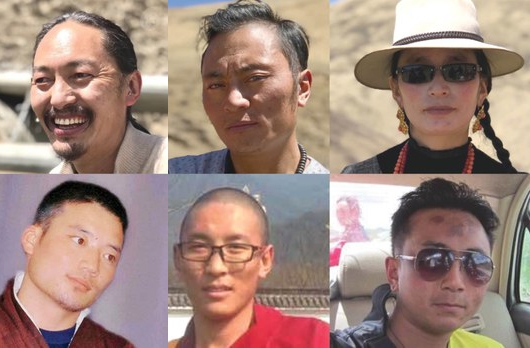
Sentenced by the Kardze People’s Court were Gangkye Drupa Kyab, a writer and former schoolteacher now serving a 14-year prison term; Seynam, a writer and environmental activist given a six-year term; and Gangbu Yudrum, a political activist now serving a seven-year term.
Also sentenced by the court in Kardze were Tsering Dolma, a political activist given eight years; Pema Rinchen, a writer given four years; and Samdup, a political activist now serving an eight-year term.
The arrests and sentencing of the group, who had also served previous prison terms for their activities, underscore Beijing’s continuing drive to destroy the influence of men and women whose views of life in Tibetan regions of China go against official Chinese narratives, RFA reported.
Formerly an independent nation, Tibet was invaded and incorporated into China by force more than 70 years ago, and Tibetan spiritual leader the Dalai Lama and thousands of his followers later fled into exile in India and other countries around the world following a failed 1959 national uprising against China’s rule.