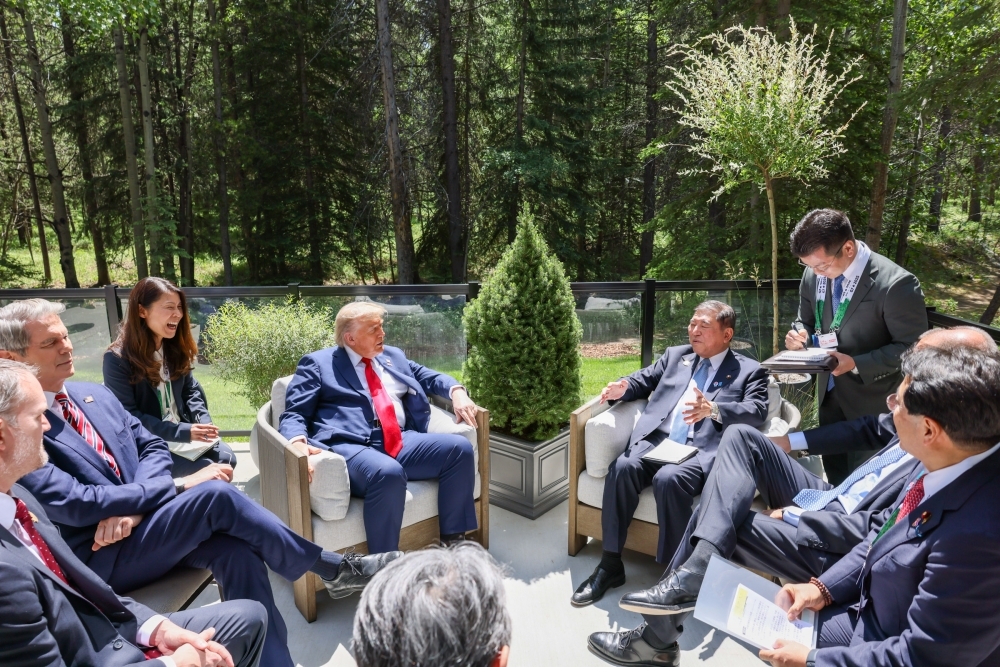
The cancellation also coincides with Japan’s upcoming upper house elections on July 20, which are expected to test Ishiba’s fragile minority coalition
Japan has cancelled a planned high-level security meeting with the United States following increased pressure from the Trump administration to hike its defense spending, according to the Financial Times.
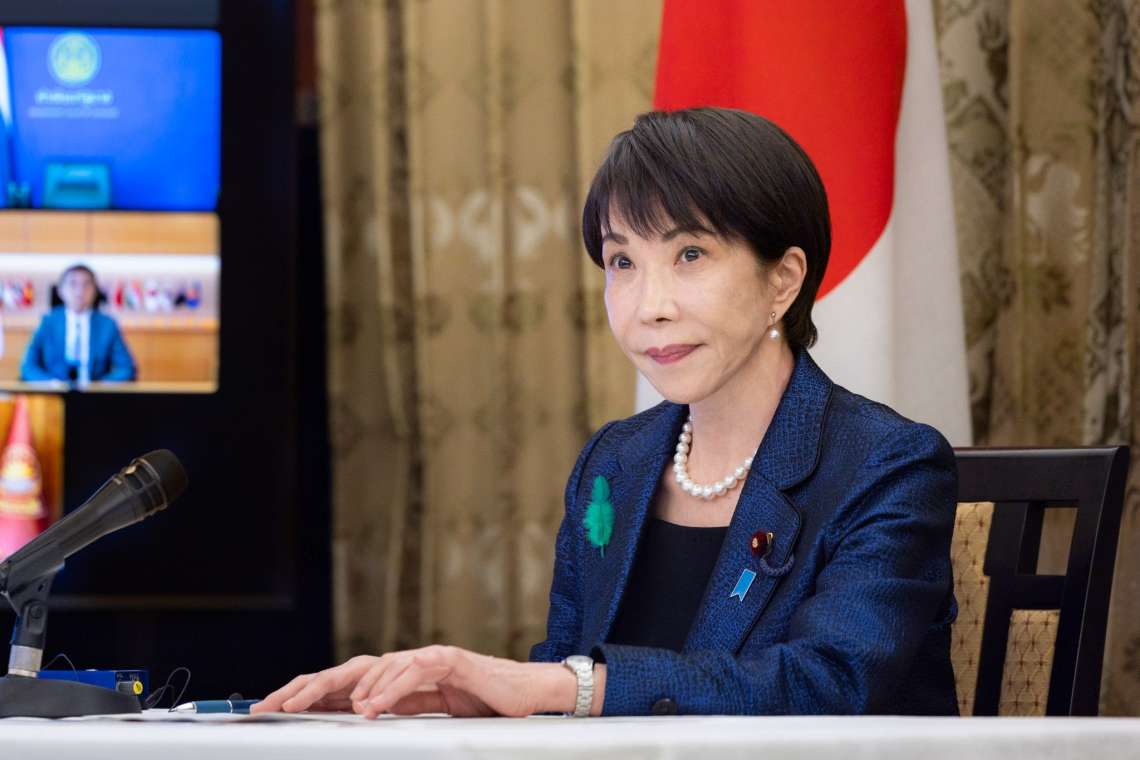
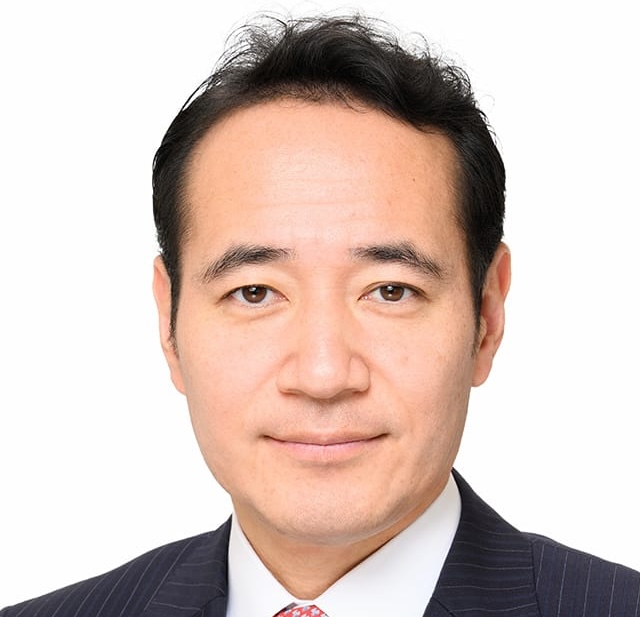
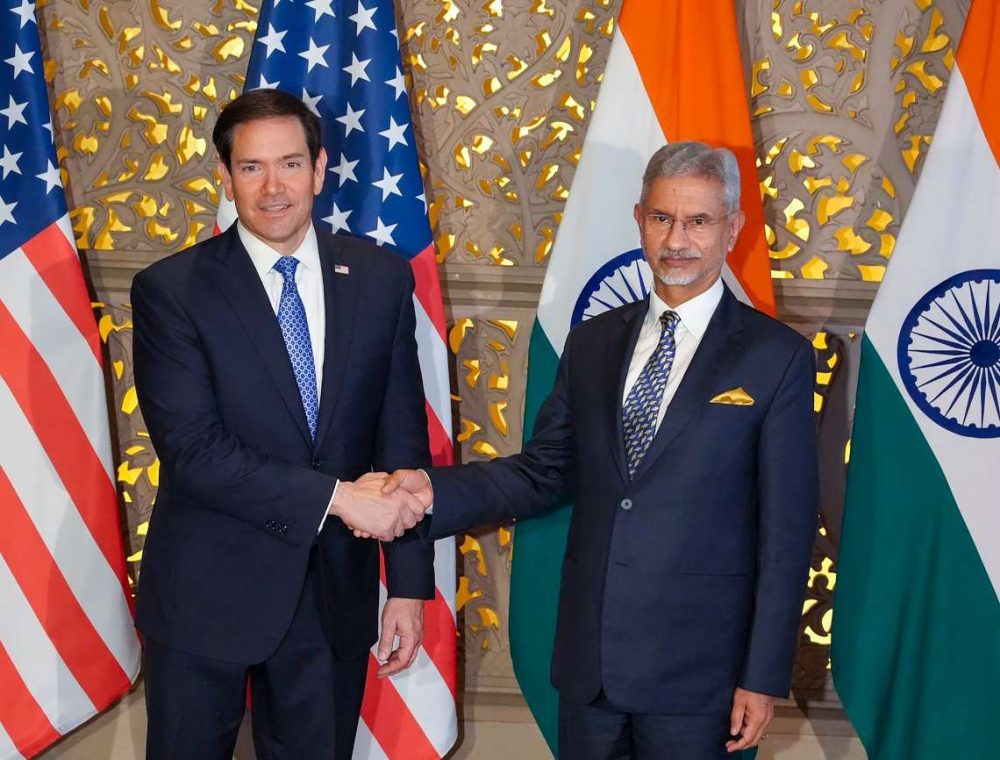
The annual “2+2” security talks were scheduled to take place in Washington on July 1, with U.S. Secretary of State Marco Rubio and Defense Secretary Pete Hegseth set to meet their Japanese counterparts, Foreign Minister Takeshi Iwaya and Defense Minister Gen Nakatani. However, Tokyo pulled out of the meeting after Washington requested that Japan raise its defense budget to 3.5 percent of its GDP — up from an earlier request of 3 percent.
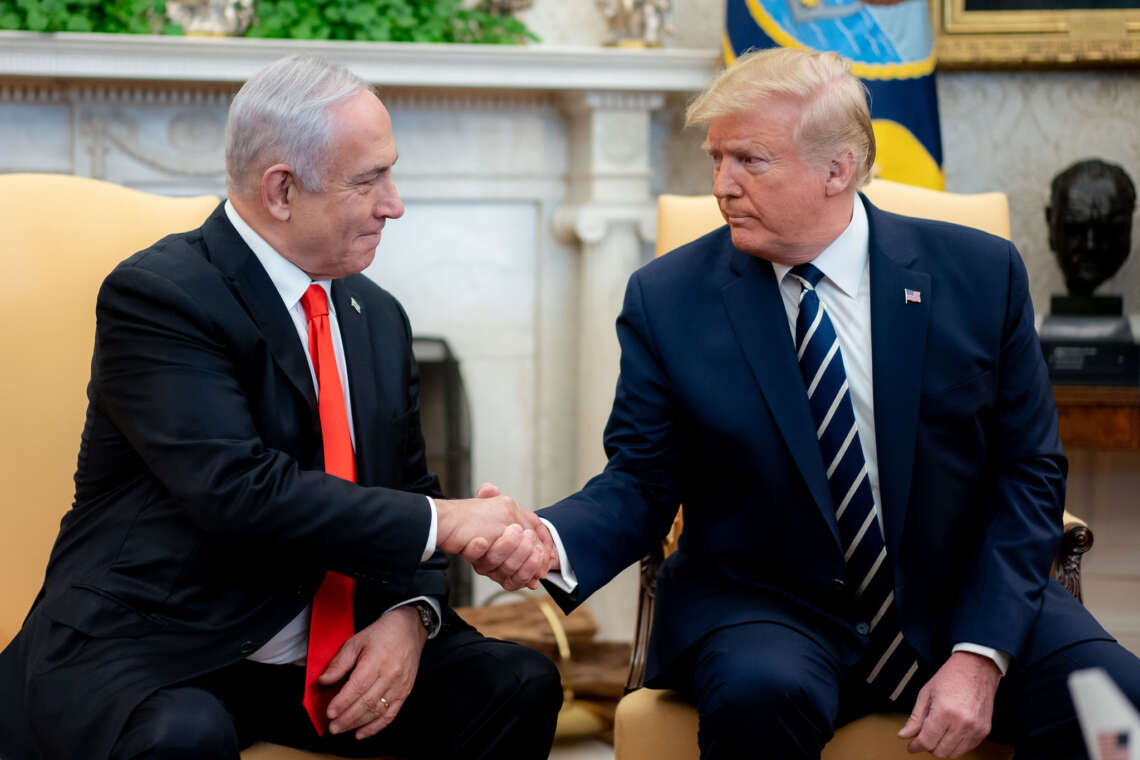
The Nikkei also reported that President Donald Trump’s administration was pushing its Asian allies, including Japan, to allocate as much as 5 percent of GDP to defense, a demand far exceeding current contributions.
A U.S. official, speaking on condition of anonymity, confirmed that Japan had “postponed” the meeting several weeks ago, but did not provide a reason. A non-governmental source familiar with the matter echoed the claim that Japan had withdrawn, but could not confirm the rationale.
Neither the Pentagon nor the State Department offered immediate comment, with State Department spokesperson Tammy Bruce declining to address the FT report at a briefing. Japan’s embassy in Washington also did not respond, and calls to Japan’s foreign and defense ministries, as well as the Prime Minister’s Office, went unanswered.
The FT said the latest demand was made by Elbridge Colby, the third-most senior official at the Pentagon, who has stirred controversy elsewhere in the Indo-Pacific, notably over a review of nuclear submarine deals with Australia.
In March, Japanese Prime Minister Shigeru Ishiba had pushed back against external pressure on military budgets, asserting that “other nations do not decide Japan’s defense budget.”
The cancellation also coincides with Japan’s upcoming upper house elections on July 20, which are expected to test Ishiba’s fragile minority coalition.
The move comes ahead of a NATO summit in Europe next week, where President Trump is again expected to demand that European allies boost military spending to 5 percent of GDP, intensifying global tensions over defense commitments.
South Korea, U.S. back trilateral push with Japan
In a development that contrasts Japan’s abrupt withdrawal from bilateral talks, senior diplomats from South Korea and the United States have reaffirmed their commitment to strengthening trilateral cooperation with Japan during meetings in Washington.
South Korean Ambassador to the U.S. Cho Hyun-dong met with newly appointed U.S. Under Secretary of State for Political Affairs, Allison Hooker, to discuss regional security, the bilateral alliance, and ongoing challenges in the Indo-Pacific, according to a statement from the South Korean Embassy.
Hooker, confirmed by the Senate earlier this month, is widely respected for her diplomatic experience with North Korea, including her key role in preparations for former President Trump’s summits with North Korean leader Kim Jong-un.
“Sharing the understanding on the importance of close cooperation between South Korea and the U.S. over North Korean issues, and of comprehensive bilateral cooperation, the two sides agreed to continue efforts to strengthen the Seoul-Washington alliance and enhance trilateral cooperation with Japan,” the embassy wrote on Facebook.
Ambassador Cho described Hooker as a “longtime friend of South Korea” and a consistent supporter of the South Korea-U.S. alliance. He urged her to continue backing efforts to deepen bilateral relations and regional coordination, particularly as tensions remain high on the Korean Peninsula and in the wider Indo-Pacific.
The two sides also touched on global flashpoints including the Israel-Iran conflict and the war in Ukraine, agreeing to coordinate closely in response to these and other geopolitical challenges.
Hooker previously served as Senior Director for Asian Affairs at the National Security Council and was instrumental in Trump-era diplomacy with Pyongyang. From 2001 to 2014, she also worked as a senior analyst for North Korea in the Department of State’s Bureau of Intelligence and Research. She was selected as a 2013–2014 Council on Foreign Relations International Affairs fellow in South Korea.
The timing of the renewed trilateral affirmation is notable. With Tokyo under pressure and the Japan-U.S. dialogue postponed, the Seoul-Washington consensus underscores both nations’ desire to keep momentum alive on regional security and trilateral engagement — even as Japan navigates domestic political headwinds and resistance to U.S. defense spending demands.