Sikh pilgrims granted visas to visit Pakistan for Guru Nanak’s birth anniversary amid efforts to maintain religious exchange despite strained India-Pakistan ties
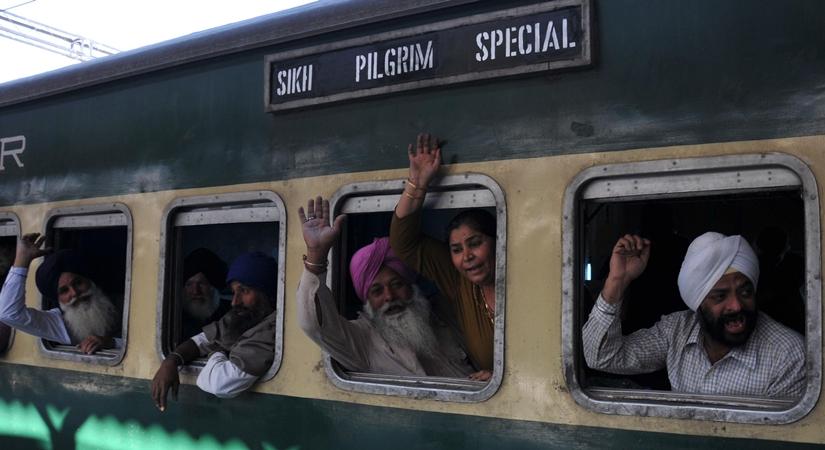
The Pakistan High Commission in New Delhi has issued more than 2,100 visas to Sikh pilgrims from India to participate in the birth anniversary celebrations of Guru Nanak Dev Ji, the founder of Sikhism, to be held in Pakistan from 4 to 13 November 2025.
In an announcement shared on Wednesday, the High Commission said in a post on X, “The Pakistan High Commission in New Delhi has issued over 2100 visas to Sikh pilgrims from India to participate in the Birth Celebrations of Baba Guru Nanak Dev Ji, to be held in Pakistan from 04-13 November 2025.”
The visa issuance forms part of the long-standing bilateral protocol on visits to religious shrines, signed between India and Pakistan in 1974, which allows Sikh and Hindu pilgrims from India, and Muslim pilgrims from Pakistan, to visit designated places of worship in each other’s country. Despite persistent political and diplomatic tensions between the two neighbours, the agreement continues to function as a rare bridge of religious and cultural exchange.
Earlier this month, Delhi Minister Manjinder Singh Sirsa welcomed the Centre’s decision permitting Sikh ‘jathas’, or groups of devotees, to travel to Pakistan for the celebrations. In a video message posted on social media, Sirsa expressed his appreciation for the government’s decision and urged religious bodies to complete the necessary preparations for the pilgrimage.
“The ‘jathas’ that used to visit Pakistan to commemorate the birth anniversary of Guru Nanak Dev Ji will also visit Pakistan this year. The Home Ministry clarified this today,” Sirsa said. “I urge all representative organisations, whether it’s the Shiromani Gurdwara Parbandhak Committee, Delhi Sikh Gurdwara Management Committee, or any other organisations whose ‘jathas’ are travelling, to complete this process quickly.”
Sirsa also extended his gratitude to Prime Minister Narendra Modi and Home Minister Amit Shah for facilitating the pilgrimage despite what he described as “strained relations” between India and Pakistan.
“I express my deepest gratitude to the Prime Minister of India and the Home Minister of the country, who, despite strained relations, opened the Kartarpur shrine on the occasion of Guru Nanak Dev Ji’s Prakash Purab in 2019, without any concern. This time, the Prime Minister and the Home Minister have displayed the same sentiment and reverence by issuing a notification allowing Sikh groups to visit Pakistan. I express my gratitude,” Sirsa said.
The pilgrimage will take place under the framework of the 1974 India-Pakistan protocol, which outlines procedures for religious visits to shrines across the border. Each year, several thousand Sikh pilgrims travel from India to Pakistan to mark key religious occasions such as Prakash Purab (the birth anniversary of Guru Nanak Dev Ji), Baisakhi, and the Martyrdom Day of Guru Arjan Dev Ji.
The celebrations this year are expected to be centred around Nankana Sahib, the birthplace of Guru Nanak, as well as other significant gurdwaras in Punjab province, including Panja Sahib and Kartarpur Sahib. These sites hold deep spiritual importance for the Sikh community and attract devotees from across the world.
Since the opening of the Kartarpur Corridor in November 2019, Sikh pilgrims from India have been able to visit the Gurdwara Darbar Sahib in Kartarpur, located just across the border in Pakistan’s Narowal district, without a visa. The corridor, which links Dera Baba Nanak in India’s Gurdaspur district with Kartarpur Sahib, was hailed as a significant gesture of faith diplomacy between the two countries. However, larger groups of pilgrims — or ‘jathas’ — continue to travel under the traditional visa-based system established by the bilateral protocol.
The issuance of over 2,100 visas by the Pakistan High Commission marks one of the largest allocations in recent years and reflects a continuation of the religious outreach mechanism even amid minimal political dialogue. Diplomatic observers note that such exchanges often serve as a means of maintaining people-to-people contact and preserving cultural ties between the two nations.
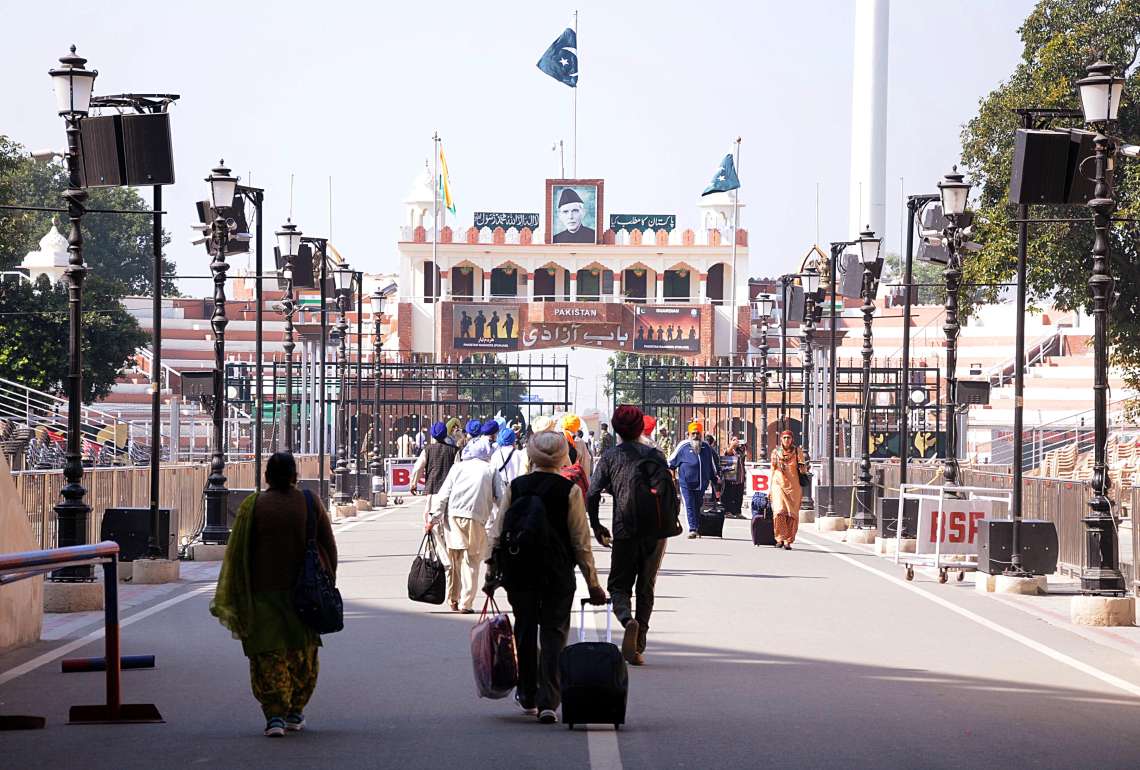
Preparations for the November pilgrimage are already underway, with coordination between Indian and Pakistani authorities to ensure smooth logistics and security arrangements for the visiting devotees. Officials are understood to be working closely on transportation routes, accommodation, and border procedures at the Wagah-Attari crossing, where the pilgrims will enter Pakistan.
For the Sikh community, the annual pilgrimage to Guru Nanak’s birthplace represents a reaffirmation of faith and shared heritage. Despite ongoing diplomatic strains, the cross-border movement of pilgrims continues to symbolise a rare channel of goodwill and mutual respect between India and Pakistan.