Government bans plastic wet wipes amid broader push to clean up UK waterways…reports Asia Lite News
The Government has formally approved a ban on the sale of plastic wet wipes, a measure ministers say will help clean up rivers, lakes and beaches and stem the flow of microplastics into the environment. The legislation, signed into law today, is presented as a significant step in tackling pollution that campaigners, regulators and water companies have long identified as a major and escalating problem.
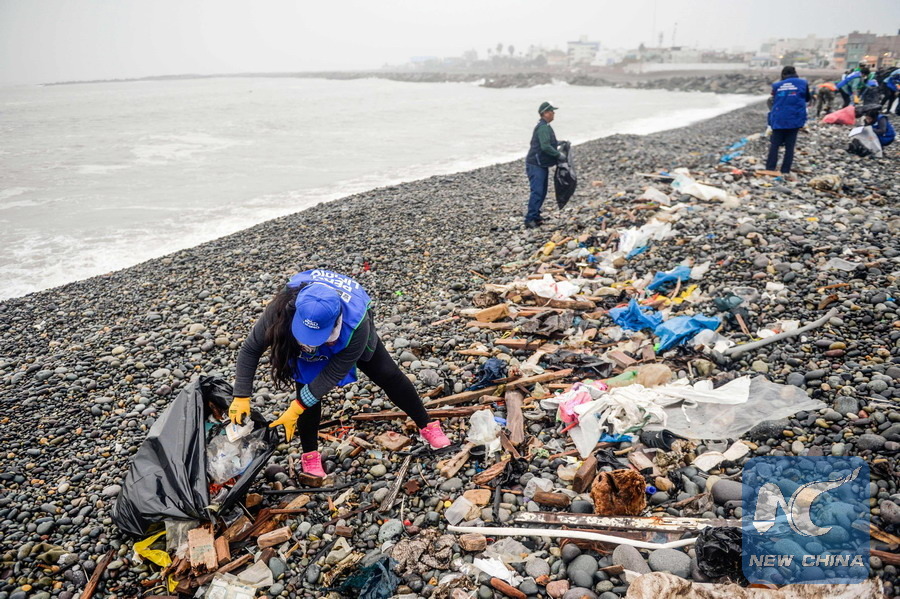
Plastic-containing wet wipes have become one of the fastest-growing sources of waste in UK waterways. A recent survey found an average of 20 wet wipes for every 100 metres of beach across the country, contributing not only to visible littering but also to more serious environmental risks. When flushed, these wipes break down into microplastics that can enter river systems, harm wildlife and work their way into the food chain.
The ban has been introduced following strong public backing, with 95 per cent of respondents to the Government’s consultation supporting the proposals. Ministers say the move aligns with wider efforts to strengthen environmental protections and reduce the amount of plastic waste entering the natural environment. But the Government also emphasises that responsibility lies not only with manufacturers and retailers but also with households.
While the new law focuses specifically on wipes containing plastic, officials stress that all wet wipes—whether labelled as flushable or not—can contribute to blockages and pollution. Research by UK Water Industry Research shows that wet wipes play a role in around 94 per cent of sewer blockages nationwide. Water companies spend roughly £200 million a year clearing those blockages, a cost passed on to households through water bills.
To address this, the public is being urged to avoid flushing wet wipes altogether. Ministers have reiterated that using a bin for all wipes is the simplest way to prevent damage to sewer networks and reduce pollution. Water Minister Emma Hardy has also written to manufacturers calling for clearer and more consistent labelling to reflect government advice that wet wipes should be binned, not flushed.
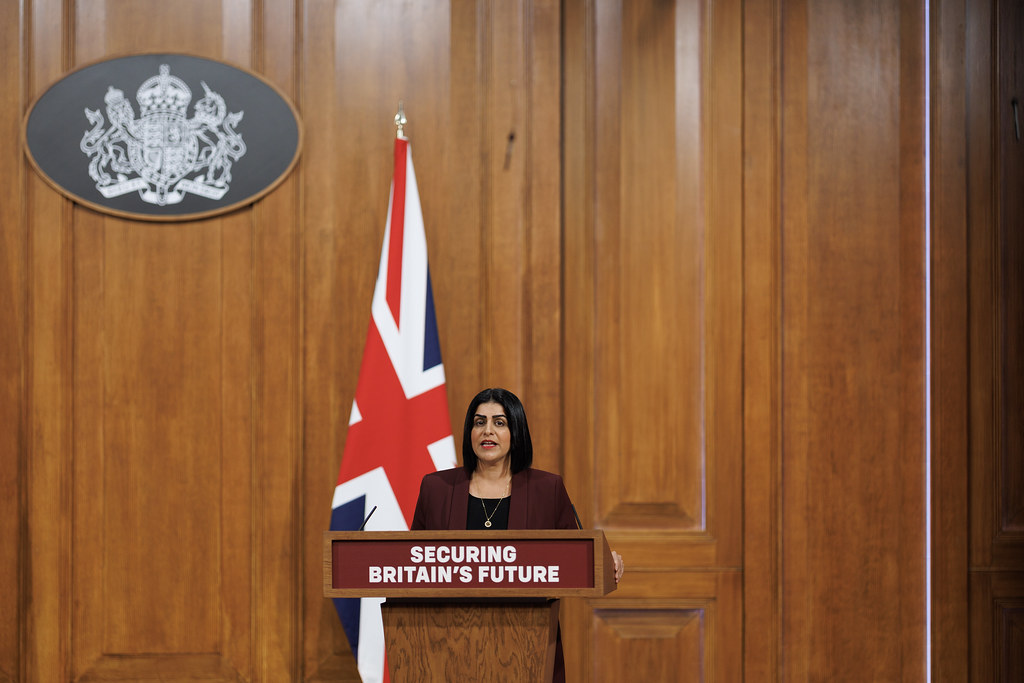
Environment Secretary Emma Reynolds said the ban would help curb a major source of pollution. “This ban will put an end to plastic wet wipes which choke our sewers, litter our beaches and poison wildlife,” she said. She added that while the Government was taking “strong, decisive action,” consumers also had “a role to play,” noting that flushing wipes risked blocking sewers, causing pollution and increasing household bills. “The solution is simple: bin wet wipes, don’t flush them.”
Water companies have welcomed the legislation. Stephanie Cawley, Director of Customer Operations at Severn Trent, said plastics in wet wipes made them “stronger and harder to break down,” leaving them responsible for a large number of sewer blockages. She reiterated the long-standing industry message that only “the three P’s—pee, poo and paper—should be flushed.” Encouraging households to bin wet wipes of any kind, she said, would make “a massive difference to the sewer network and the communities we serve.”
Plastic-free alternatives are now widely available, and several major retailers have already removed plastic wet wipes from their shelves. Businesses have until spring 2027 to comply fully with the new rules. Boots is among the retailers to have taken early action. Steve Ager, the company’s Chief Customer and Commercial Officer, said Boots was proud to have been “one of the first retailers to remove all wipes containing plastic from sale in stores and online in 2023.” He said the firm believed in supporting both suppliers and customers to reduce plastic use, adding that while retailers could act individually, “a ban on wipes containing plastic will have a much bigger impact than retailers acting alone.”
Environmental groups have similarly welcomed the move, though some say more needs to be done to tackle the wider issue of plastic entering waterways. Chris Coode, CEO of Thames21, described the ban as “fantastic news” and “a crucial step towards protecting the health of our rivers.” He said Thames21 volunteers had been gathering evidence on the impact of wet wipes in the River Thames for many years. However, Coode also called for “more systemic change” to prevent plastics entering the environment via wet wipes and other sanitary products.
The ban comes as the Government prepares what it has described as the most significant overhaul of the water sector since privatisation. Ministers say the reforms aim to rebuild public trust in water companies, deliver better outcomes for customers and investors, and improve environmental performance across the sector. Part of this wider strategy involves enabling better pre-pipe drainage and wastewater systems, improving rainwater management and preventing pollutants from entering sewer networks and waterways.
Officials say today’s ban is one element of that broader package of reforms and that further measures may follow. As the new rules come into effect and retailers adapt, the Government is expected to assess whether additional steps are required to address plastic pollution and protect the UK’s rivers, lakes and coastal waters from avoidable damage.