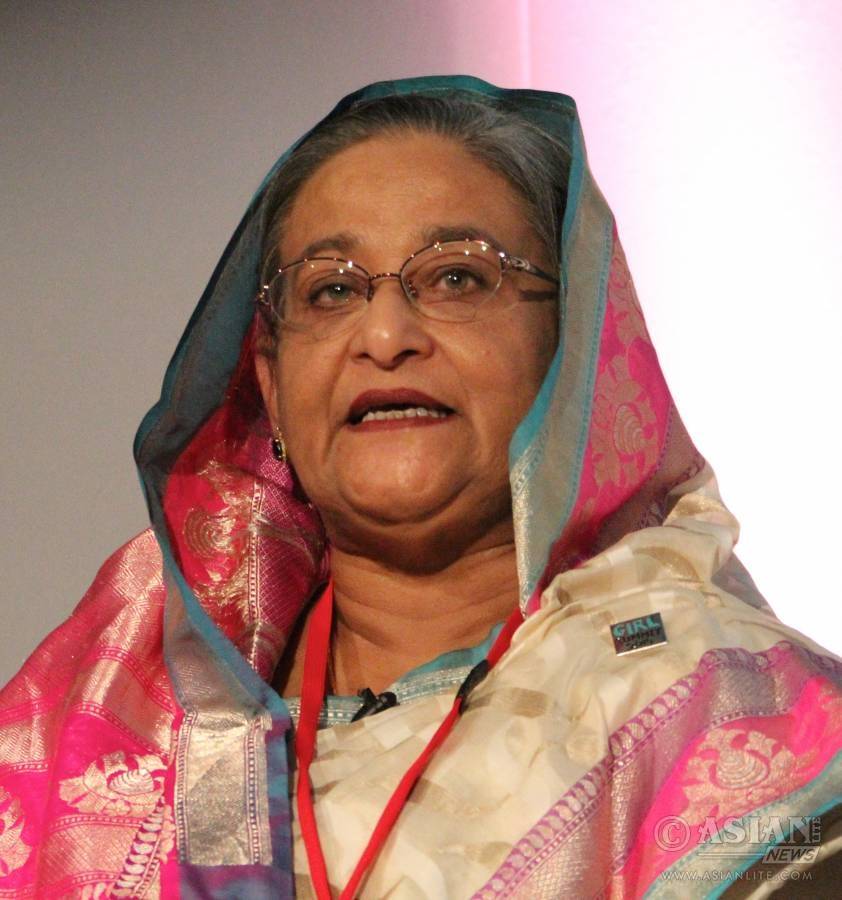
Hasina has been living in exile in India since 5 August last year after the collapse of her government in the wake of violent student-led protests that swept across Bangladesh..reports Asian Lite News
India has confirmed receiving Bangladesh’s request to extradite former Prime Minister Sheikh Hasina, now living in exile, and says the matter is being assessed through legal and judicial channels. The development intensifies regional scrutiny as Dhaka pursues her return following a death sentence delivered in absentia.
India confirmed it has received a request from Bangladesh to extradite former Prime Minister Sheikh Hasina and said the matter is under examination through “ongoing judicial and internal legal processes.” The statement, delivered by External Affairs Ministry spokesperson Randhir Jaiswal at a weekly briefing, marks the first official acknowledgment from New Delhi since Dhaka formally sought Hasina’s return following her conviction last week.
“The request is being examined as part of ongoing judicial and internal legal processes,” Jaiswal said, underscoring that India is proceeding with caution as the issue carries significant diplomatic, legal and political sensitivities for both countries. He also added, “We remain committed to the best interests of the people of Bangladesh, including peace, democracy, inclusion and stability in that country and will continue to engage constructively in this regard with all stakeholders.”
Hasina has been living in exile in India since 5 August last year after the collapse of her government in the wake of violent student-led protests that swept across Bangladesh. Those protests, which escalated rapidly and triggered a breakdown of administrative control, ultimately forced her to resign and flee across the border. Since then, she has remained largely out of public view while the political landscape in Bangladesh continues to shift rapidly.
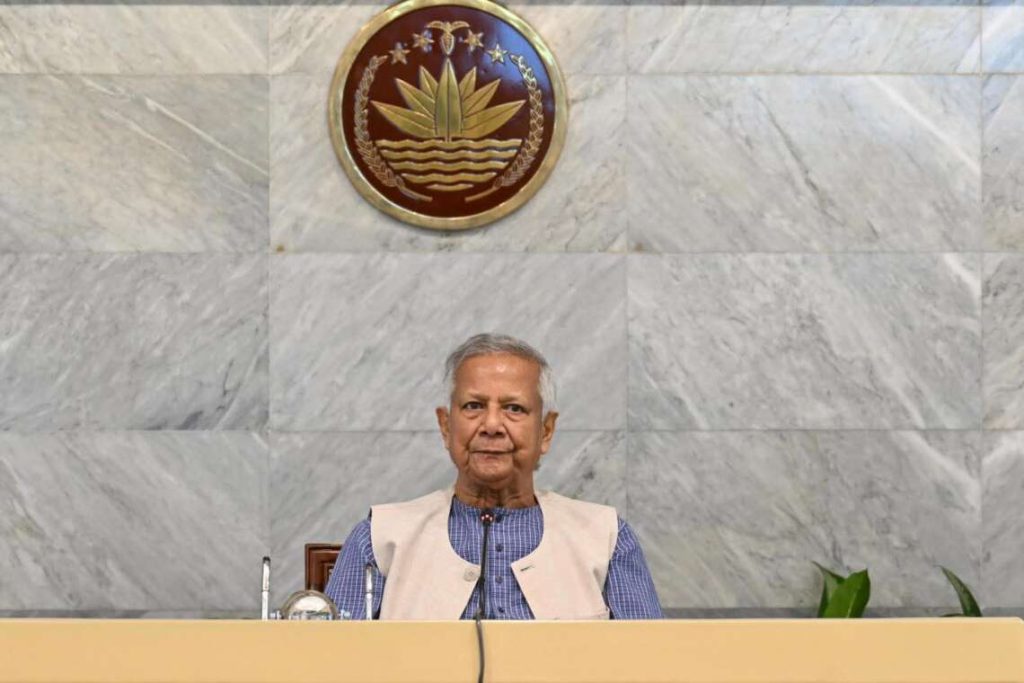
The pressure on New Delhi intensified last week after the International Crimes Tribunal (ICT) in Dhaka sentenced Hasina to death in absentia for “crimes against humanity” linked to her government’s handling of the unrest. The verdict has been sharply criticised by legal experts, rights groups and several international observers, who have questioned both the process and the timing. However, India has so far maintained a careful public stance, avoiding commentary on the merits of the judgement while reiterating its support for Bangladesh’s stability.
Following the ICT ruling, the Bangladesh Foreign Ministry sent a formal communication to New Delhi requesting Hasina’s return, describing her as a “fugitive accused” and citing the bilateral extradition agreement. The letter, made public by Dhaka-based officials, said it was an “obligatory responsibility” for India to facilitate her extradition and warned, “Providing refuge to these individuals, who have been convicted of crimes against humanity, by any other country would be a highly unfriendly act and a disregard for justice.”
Although the extradition agreement between the two countries provides a legal framework for such requests, it also contains provisions that allow either side to decline extradition on several grounds, including political offences or concerns about the fairness of judicial proceedings. Analysts note that India will likely rely heavily on these clauses as it navigates the implications of delivering a former head of government into a highly volatile political environment.
New Delhi had earlier issued a measured response after the ICT verdict, focusing on its broader strategic and regional priorities rather than the specifics of the ruling. “India has noted the verdict announced by the ‘International Crimes Tribunal of Bangladesh’ concerning former Prime Minister Sheikh Hasina. As a close neighbour, India remains committed to the best interests of the people of Bangladesh, including in peace, democracy, inclusion and stability in that country. We will always engage constructively with all stakeholders to that end,” the MEA had said in its earlier statement.
For India, the question of Hasina’s extradition intersects with longstanding political, security and economic ties with Bangladesh. Hasina, during her long tenure, maintained a strong strategic relationship with New Delhi, particularly on counterterrorism cooperation and cross-border security. Her sudden fall from power and the rapid reversal of her political fortunes have created uncertainty in a relationship that had been largely stable for over a decade.