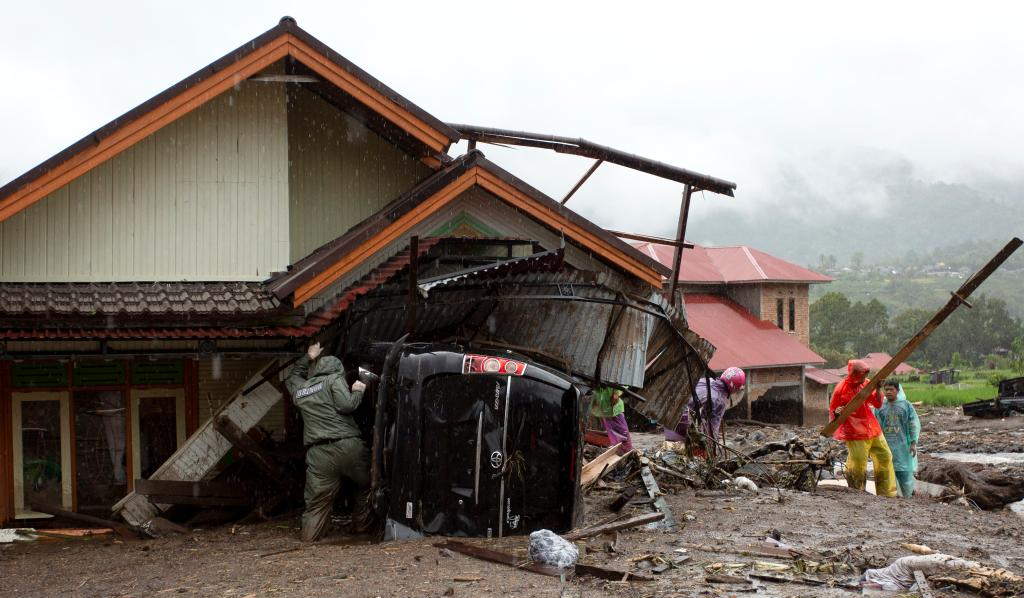
A succession of tropical storms and intense monsoonal rains has triggered deadly flash floods and landslides from the forests of Indonesia to the uplands of Sri Lanka
Ruinous floods and landslides have claimed more than 900 lives across Sumatra, Indonesia’s disaster agency confirmed on Saturday, as officials warned that starvation in isolated communities could drive the toll even higher. The devastation forms part of a wider climate-fuelled emergency sweeping across South and Southeast Asia over the past week.
A succession of tropical storms and intense monsoonal rains has triggered deadly flash floods and landslides from the forests of Indonesia to the uplands of Sri Lanka. According to regional assessments, more than 1,790 people have died across Indonesia, Sri Lanka, Malaysia, Thailand and Vietnam in only a matter of days. Early reports of the crisis were highlighted by Arab News, which underscored the severity of the unfolding catastrophe.
In Indonesia’s battered provinces of Aceh and North Sumatra, floodwaters have torn apart infrastructure, submerged villages and severed essential supply routes. Aceh governor Muzakir Manaf said rescue teams were still navigating “waist-deep mud” in their search for the missing.
But the gravest threat now, he warned, was not water—but hunger.
“Many areas remain untouched in the remote parts of Aceh,” he told reporters. “People are not dying from the flood, but from starvation.”
Entire communities in the Aceh Tamiang region have effectively vanished. Muzakir described the area as “completely destroyed… Many villages and sub-districts are now just names.”
Survivors have recounted scenes of desperation. Flood victim Fachrul Rozi said he had spent a week sheltering with dozens of others inside an abandoned shop.
“We ate whatever was available, helping each other with the little supplies each resident had brought,” he told AFP. “We slept crammed together.”
Another resident, Munawar Liza Zainal, said he felt “betrayed” by the government’s decision not to declare a national disaster—an official designation that would release additional resources and streamline coordination among state agencies.
“This is an extraordinary disaster that must be faced with extraordinary measures,” he said. “If national disaster status is only declared later, what’s the point?”
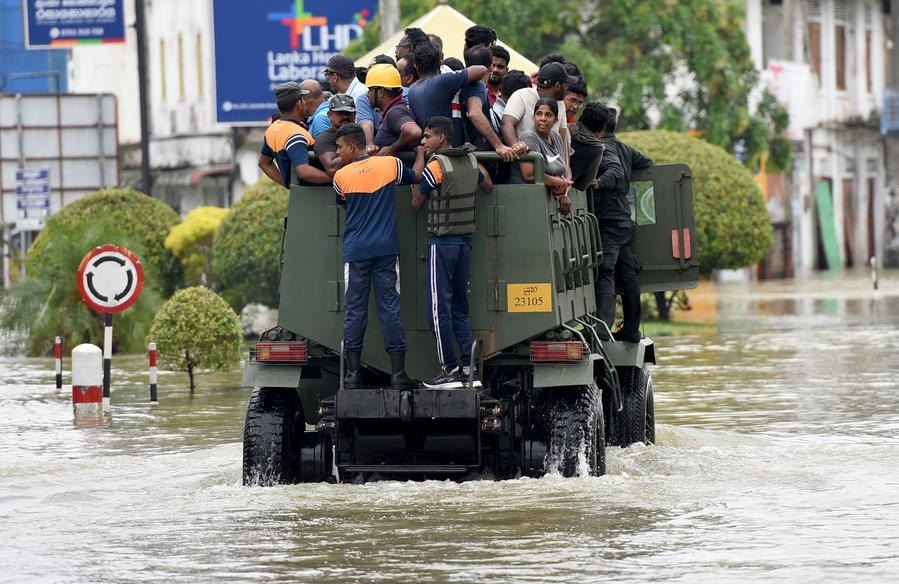
Analysts believe the government may be reluctant to request foreign assistance, fearing it could signal an inability to manage the crisis domestically. Officials, however, maintain that national capabilities remain sufficient.
As floodwaters slowly recede, the extent of destruction is becoming clearer. In Aek Ngadol, AFP photographs show residents hauling mud-soaked belongings from collapsed homes.
Environmental experts warn that the combination of extreme monsoonal patterns—intensified by climate change—and decades of logging and deforestation has created a lethal landscape across Sumatra, amplifying landslides and rapid flooding.
Indonesia’s death toll rose to 908 on Saturday, with 410 people still missing. Sri Lanka’s toll climbed to 607, while Thailand reported 276 deaths, alongside fatalities in Malaysia and Vietnam.
The region now faces not only the aftermath of destruction but the mounting risk of renewed rains and further landslides in the days ahead.
Meanwhile, the United Nations continues to support the governments of some South and Southeast Asian nations in responding to the catastrophic flooding and landslides that have reportedly killed over 1,500 people and impacted nearly 11 million people, a UN spokesperson said.
In Sri Lanka, the United Nations and its partners continue to support the government-led response and assessments, Stephane Dujarric, spokesperson for the UN secretary-general, told a daily briefing on Thursday.
He said that in close coordination with the authorities, the United Nations and its humanitarian partners have delivered emergency aid, including food, hygiene supplies, kitchen sets and water tanks, and early recovery efforts are underway, including deeper damage assessments.
For Vietnam, UN Emergency Relief Coordinator Tom Fletcher allocated $2.6 million from the UN Central Emergency Response Fund on Wednesday to bolster assistance in the most affected provinces, to support shelter, water, sanitation and hygiene, as well as food security interventions to complement the government-led efforts, said the spokesperson.
Dujarric noted that in Indonesia, the government-led response to the devastating floods in Aceh continues despite major logistical and access challenges, and the United Nations is working closely with the government there on logistics, health, water and sanitation, and is facilitating coordination with local partners.
The United Nations will continue to closely monitor the situation in the region and remain in close contact with national authorities, he said.
Parts of South and Southeast Asia have witnessed the most devastating flooding in years as a result of relentless downpours compounded by a tropical cyclone, with Sri Lanka, Indonesia, Thailand, Vietnam and Malaysia among the hardest hit, facing record-breaking rainfall, storm surges and widespread inundation, Xinhua news agency reported.
Experts say the disasters were driven by an unusual convergence of powerful weather systems, including Cyclones Ditwah and Senyar, alongside a strengthened northeast monsoon.
Across the region, nearly 11 million people have been affected, including about 1.2 million forced from their homes into shelters, while roads, utilities and farmlands have been washed away.