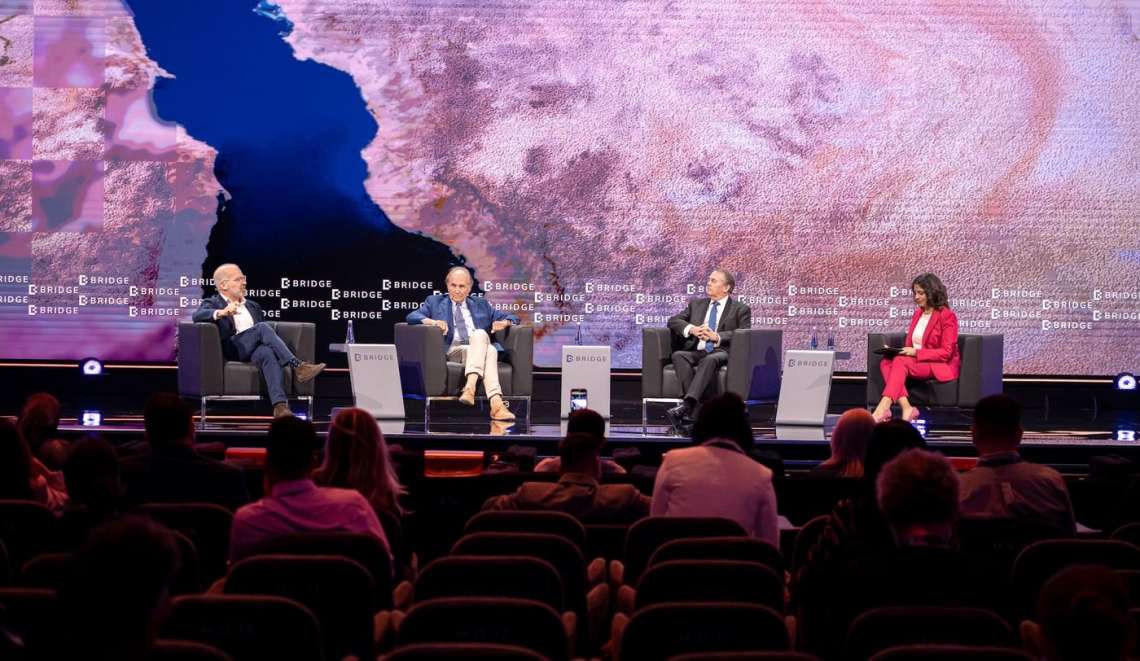
Turning to the impact of artificial intelligence on the future of media, Isham urged caution, warning against the risks of censorship, disinformation, and misinformation in an AI-driven news ecosystem. With multiple Emmy
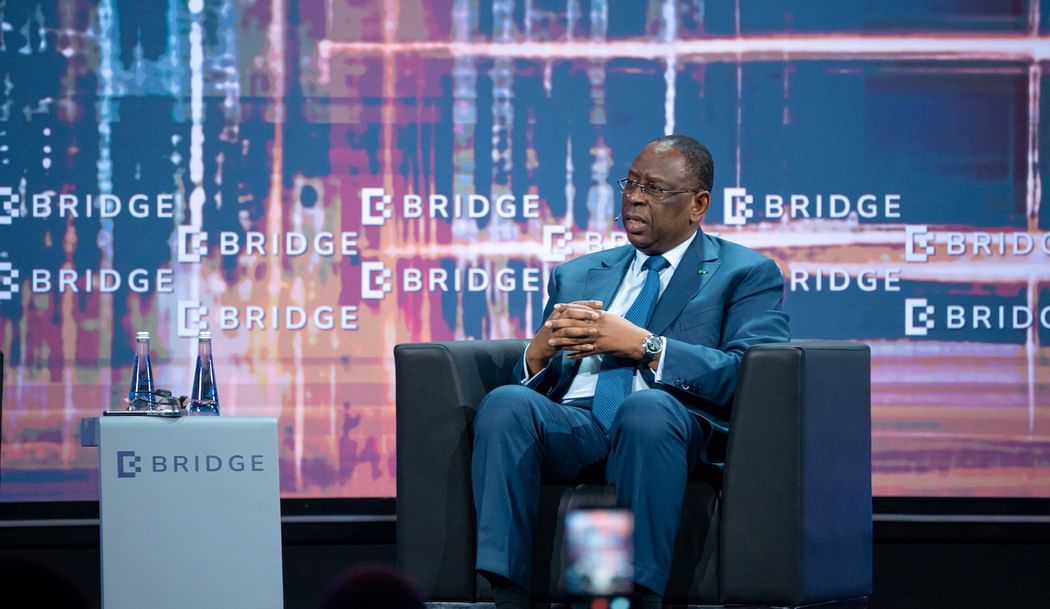
The Gulf region is increasingly being viewed as a rising centre of opportunity, influence, and diplomatic strength, marking a significant shift in global perceptions, according to leading geopolitical and policy experts speaking at the BRIDGE Summit 2025. The session, titled “The New Gravity of Power: From Washington to the Gulf,” brought together senior figures from international diplomacy, media, and intelligence to analyse the region’s accelerating transformation amid a rapidly evolving global landscape.
Sir Liam Fox, Chairman of the Abraham Accords Prosperity Group and former UK Secretary of State for Defence, opened the discussion by highlighting the changing mindset surrounding the Gulf’s economic and geopolitical potential. “This is the moment, this is the time for investments in this region,” Fox said, emphasising how countries such as the UAE have leveraged their economic capabilities to strengthen diplomatic relationships and position themselves as global power brokers.
Fox, a trained medical doctor from the University of Glasgow and an established writer on global security and economic policy, noted that investors are increasingly drawn to the UAE’s “capital-rich environment” and the advantages offered by its young, well-educated population. This demographic strength, he argued, is not only fuelling innovation but also reinforcing the country’s long-term strategic prospects.
Adding to Fox’s insights, Andrew Sollinger, CEO and Publisher of Foreign Policy, observed a dual reality in the Middle East: while the region continues to grapple with conflict, it is also experiencing a strong wave of stabilisation. Since taking charge of Foreign Policy in 2018, Sollinger has transformed the publication into a multi-platform intelligence organisation, expanding its reach through strategic partnerships, digital innovation, and global events. He underscored that despite the geopolitical complexities, “What you see coming out of this country is a vision”—one that is steadily reshaping regional and international alignments.
Christopher Isham, President of CT Intelligence at CT Group and an award-winning investigative journalist, echoed this view, stating that the Gulf’s strategic clarity has contributed significantly to a broad geopolitical realignment. According to him, the ambitions of Gulf nations are reshaping global expectations of the region’s political and economic roles.
Turning to the impact of artificial intelligence on the future of media, Isham urged caution, warning against the risks of censorship, disinformation, and misinformation in an AI-driven news ecosystem. With multiple Emmy, Columbia DuPont, and Peabody Awards to his name, Isham stressed that the most effective countermeasure is building trust between digital platforms and audiences. “We have to be careful,” he said. “The way to combat manipulation is through transparency and consistent credibility.”
Moderating the session was Resham Kotecha, Global Head of Policy at the Open Data Institute (ODI). With over 15 years of experience in public affairs, technology, and data ethics, Kotecha steered the conversation toward the broader implications of geopolitical shifts, AI-driven information ecosystems, and the role of collaborative policymaking in shaping the future.
The panel formed part of the BRIDGE Summit’s expansive programme, featuring more than 300 sessions across diplomacy, technology, economy, sustainability, and innovation. Together, these discussions reflect the summit’s ambition to map the forces reshaping global power—and to position the Gulf at the heart of that transformation.