Security Council showdown exposes rising US-Iran tensions as protests shake Tehran, Washington signals forceful options, and global powers warn against escalation threatening regional stability….repprts Asian Lite News
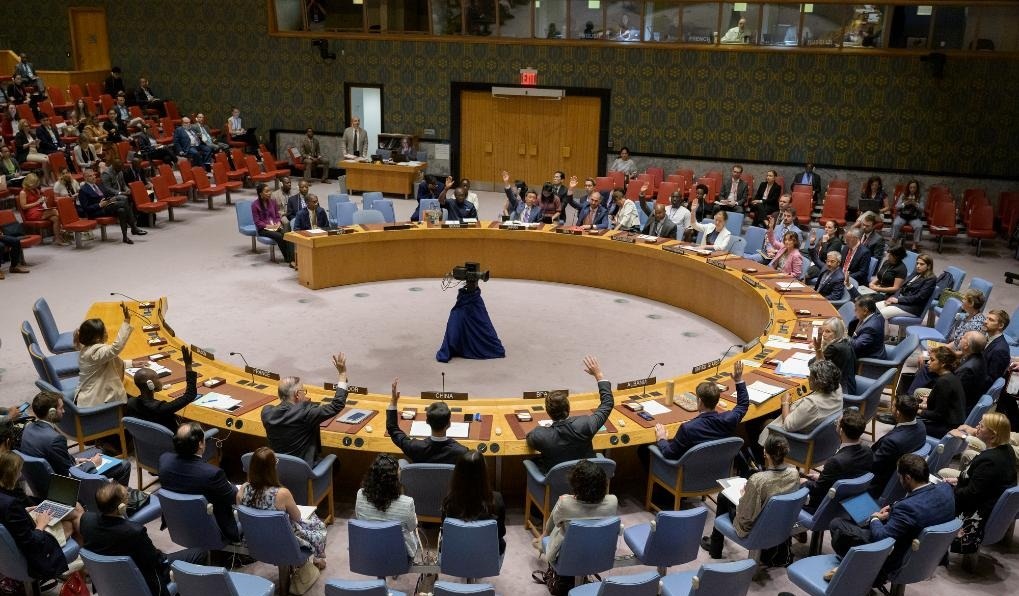
The UN Security Council was the scene of a tense diplomatic confrontation as the United States warned that “all options” remain open in response to Iran’s handling of nationwide protests, while Tehran rejected any move towards escalation and accused Washington of fuelling unrest inside the country.
The emergency meeting, convened at the request of the United States, came amid weeks of deadly protests in Iran triggered by economic hardship, a collapsing currency and soaring inflation. The unrest, which began in late December, has since evolved into the most serious internal upheaval the country has faced in years, drawing international scrutiny and raising fears of wider regional consequences.
US warning and Iranian rebuttal
Addressing the 15-member Council, US Permanent Representative Mike Waltz said President Donald Trump had made it clear that Washington was prepared to act if the Iranian authorities continued what he described as the brutal suppression of protesters.
“President Trump is a man of action,” Waltz said, adding that “all options are on the table” to stop what he termed the slaughter of demonstrators. While stopping short of announcing specific measures, the statement was widely seen as keeping open the possibility of military intervention should the situation deteriorate further.
Waltz dismissed Iranian claims that the protests were being orchestrated from abroad, arguing that such assertions reflected fear within the Iranian leadership. “The people of Iran are demanding their freedom like never before in the Islamic Republic’s brutal history,” he said, insisting that the unrest was driven by domestic grievances rather than foreign interference.
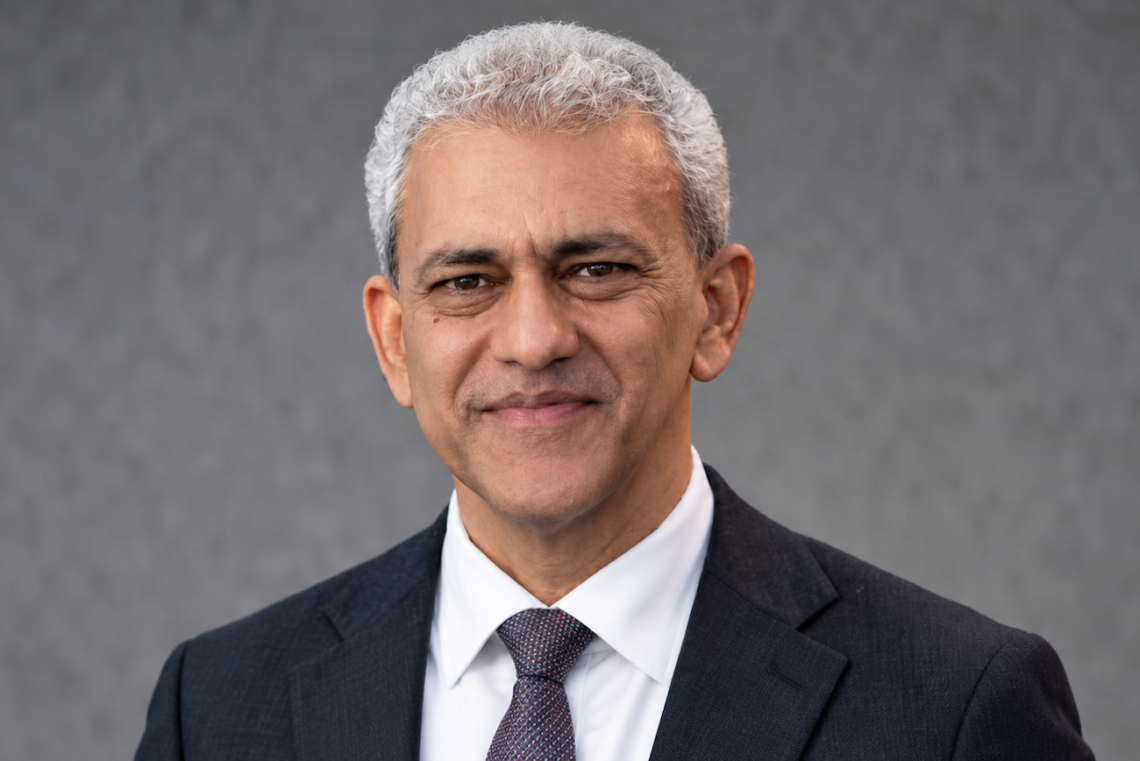
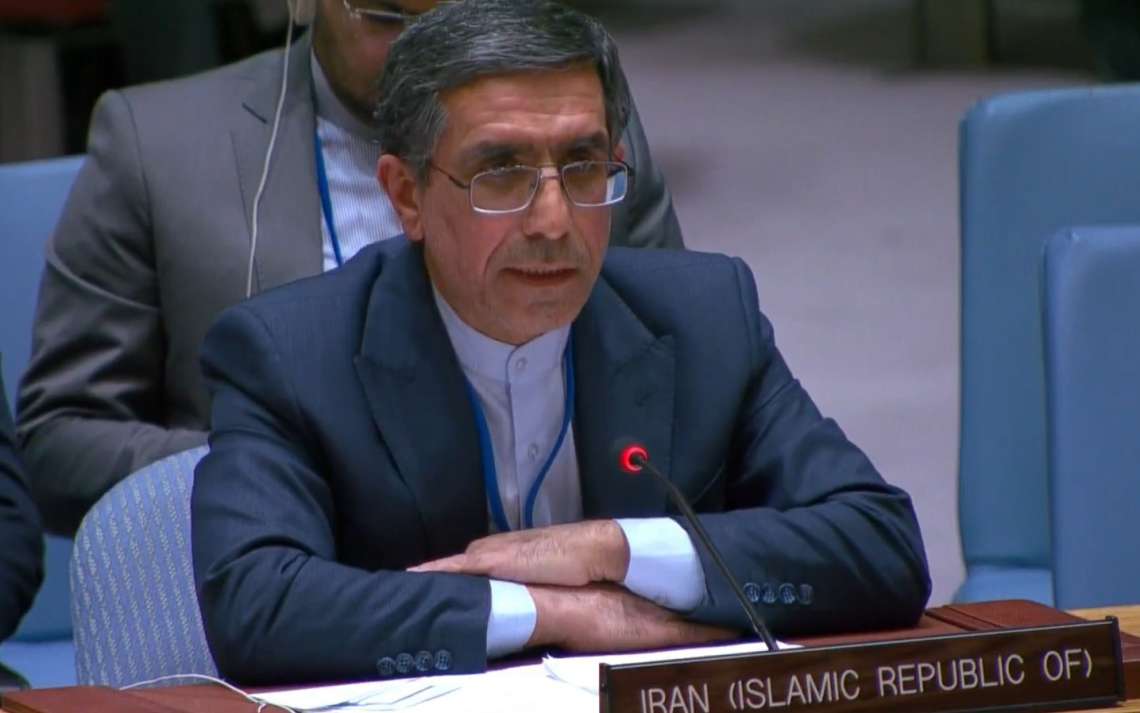
Iran’s Deputy Permanent Representative to the UN, Gholamhossein Darzi, struck a defiant yet measured tone in response. He told the Council that Iran sought “neither escalation nor confrontation” but warned that any act of aggression would be met with a lawful response under international law.
“Any act of aggression, direct or indirect, will be met with a decisive, proportionate and lawful response under Article 51 of the UN Charter,” Darzi said. “This is not a threat; it is a statement of legal reality. Responsibility for all consequences will rest solely with those who initiate such unlawful acts.”
Darzi also accused the United States of direct involvement in steering unrest inside Iran, a charge firmly rejected by Washington.

UN briefing highlights human toll
The Council was briefed by UN Assistant Secretary-General Martha Pobee, who painted a sobering picture of the situation on the ground. She said the protests had “rapidly evolved into nationwide upheaval” since they began on 28 December, initially sparked by shopkeepers in Tehran’s Grand Bazaar protesting the sharp fall of the rial and rising living costs.
According to Pobee, the unrest had resulted in a significant loss of life and widespread arrests. Human rights monitors, she noted, estimated that more than 18,000 people had been detained by mid-January, though the United Nations was unable to independently verify those figures.
She urged Iranian authorities to treat detainees humanely, halt any executions linked to protest-related cases and ensure that all deaths were promptly and transparently investigated. “Those responsible for any violations must be held to account in line with international norms and standards,” she said.
Pobee also warned that public statements suggesting possible military strikes on Iran were adding a dangerous external dimension to an already volatile situation. While she did not name the United States, she said such rhetoric increased the risk of further instability.
Signals of restraint
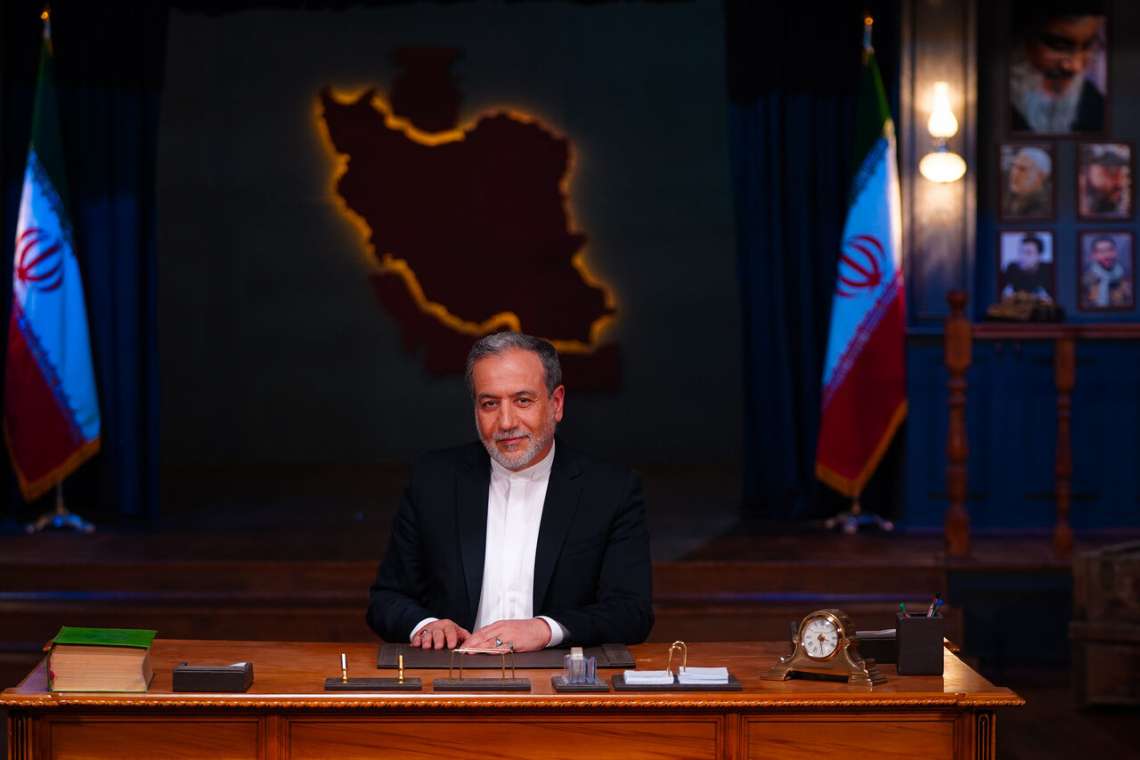
Iran’s Foreign Minister Abbas Araghchi sought to ease some of the immediate international alarm by denying reports that Tehran planned to execute anti-government protesters. In an interview with Fox News, he said there was “no plan for hanging at all”, calling such claims unfounded.
President Trump, who had earlier threatened strong action against Iran, appeared to soften his tone in subsequent remarks. He said Tehran had signalled it was stopping any threatened executions, a claim later confirmed by Iranian officials. “We saved a lot of lives yesterday,” Trump said in a call with NBC, while maintaining that Washington would act if repression resumed.
Despite signs that protests were slowing in recent days, Pobee cautioned that the situation remained fluid and deeply concerning. Demonstrations were continuing, albeit on a smaller scale than the previous week, she said.
Russia and China voiced strong support for Iran during the session, sharply criticising Washington’s approach. China’s Deputy Permanent Representative Sun Lei warned that any “military adventurism” would push the region towards further instability. Russia’s ambassador, Vassily Nebenzia, accused the United States of fuelling hysteria and using the Council to justify regime change through force.