A proposed JF-17 fighter jet deal between Pakistan and Saudi Arabia highlights how debt, arms and influence are reshaping global power and quietly testing the limits of international law.
A proposed fighter jet deal linking Pakistan and Saudi Arabia is rapidly becoming more than a routine arms transaction. Instead, it is emerging as a window into how economic stress, strategic realignment and the quiet reshaping of global power are testing the foundations of international arms governance and the rules-based order.
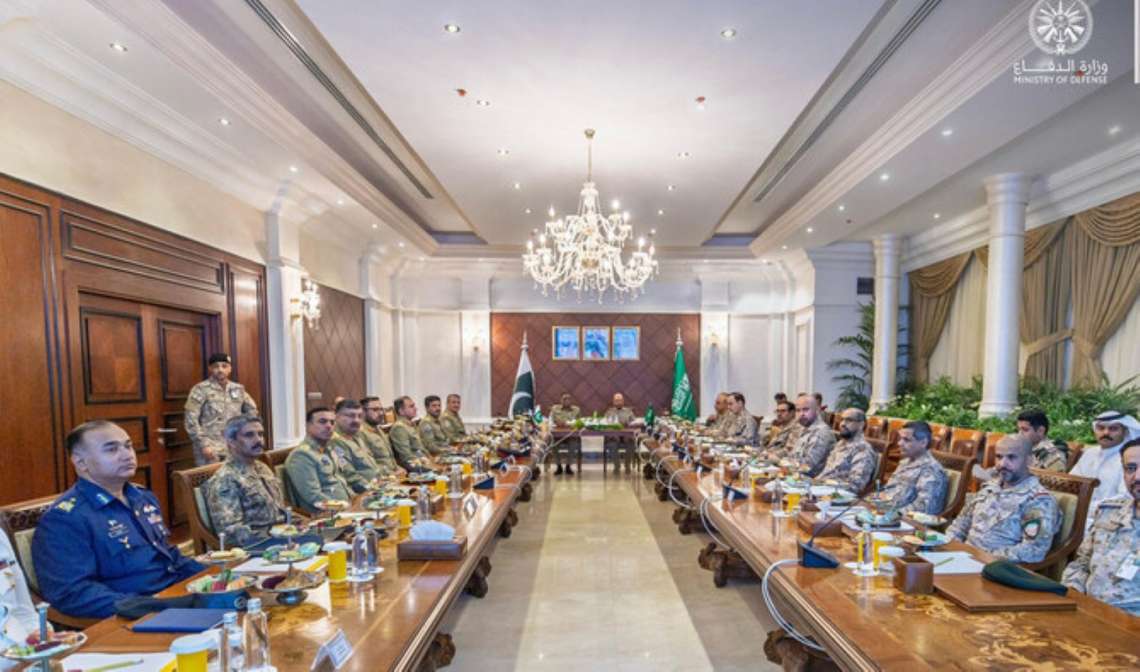
Senior military officials from Pakistan and Saudi Arabia have recently held talks amid expanding defence cooperation, with reports suggesting Riyadh is considering converting roughly $2 billion in existing loans to Islamabad into a major arms purchase. At the centre of the discussions is the JF-17 fighter jet, jointly developed by Pakistan and China, and increasingly promoted as an affordable alternative to Western combat aircraft.
According to information cited by Reuters, the proposed arrangement would ease pressure on Pakistan’s fragile finances while offering Saudi Arabia a lower-cost option at a time when it is reassessing long-term defence dependencies. Yet analysts say the significance of the deal lies not in its price tag but in what it reveals about the evolving architecture of the global arms market — and the growing influence of China within it.
Asian and financial media reports suggest the agreement could reach $4 billion once training, simulators, spare parts and long-term technical support are included. For Pakistan, the deal fits into a wider effort to use its defence industry as an instrument of economic relief, leveraging military exports to offset debt and stabilise public finances. For Saudi Arabia, it aligns with a broader diversification strategy as the kingdom explores options beyond traditional Western suppliers while maintaining strategic autonomy.
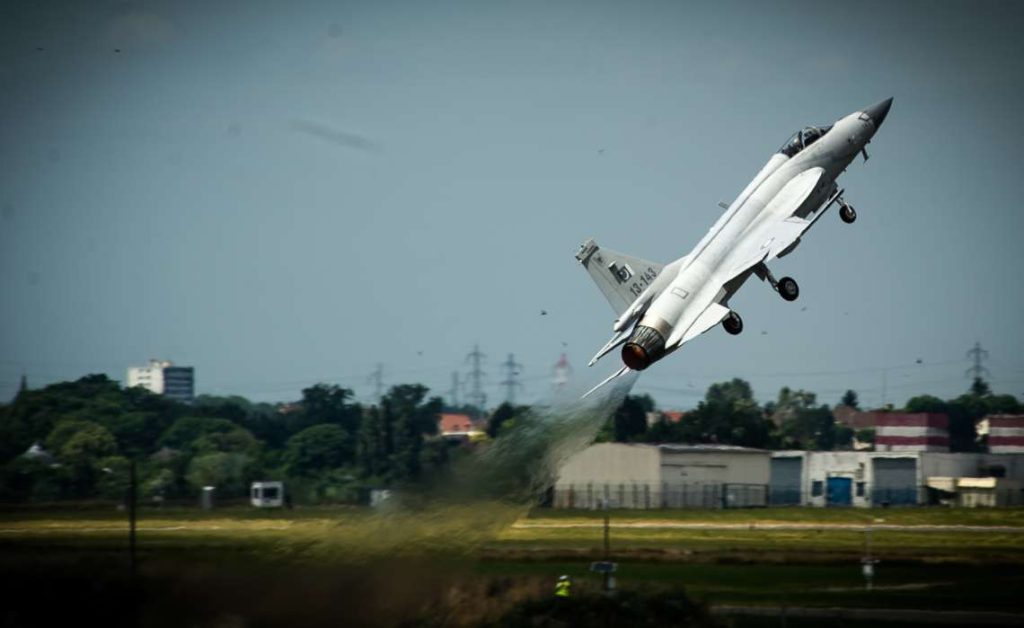
At first glance, the arrangement resembles a straightforward debt-for-arms swap. But the history of the JF-17 raises deeper questions. China spent much of the last decade marketing the aircraft as a low-cost, multi-role fighter to countries across Asia, Africa and the Middle East. Most prospective buyers ultimately declined, with Myanmar emerging as the sole customer. By 2023, however, reports indicated that many of Myanmar’s JF-17s were grounded due to technical issues, undermining confidence in the platform and limiting Beijing’s ability to export the aircraft directly.
That experience has shaped today’s strategy. Analysts argue that Pakistan is increasingly being positioned as an intermediary exporter, allowing China to re-enter markets that previously showed resistance to Chinese weapons systems. Under this model, Islamabad appears as the seller, while Beijing supplies key sub-systems or complete airframes behind the scenes, reducing political resistance and insulating China from reputational risk if problems arise.
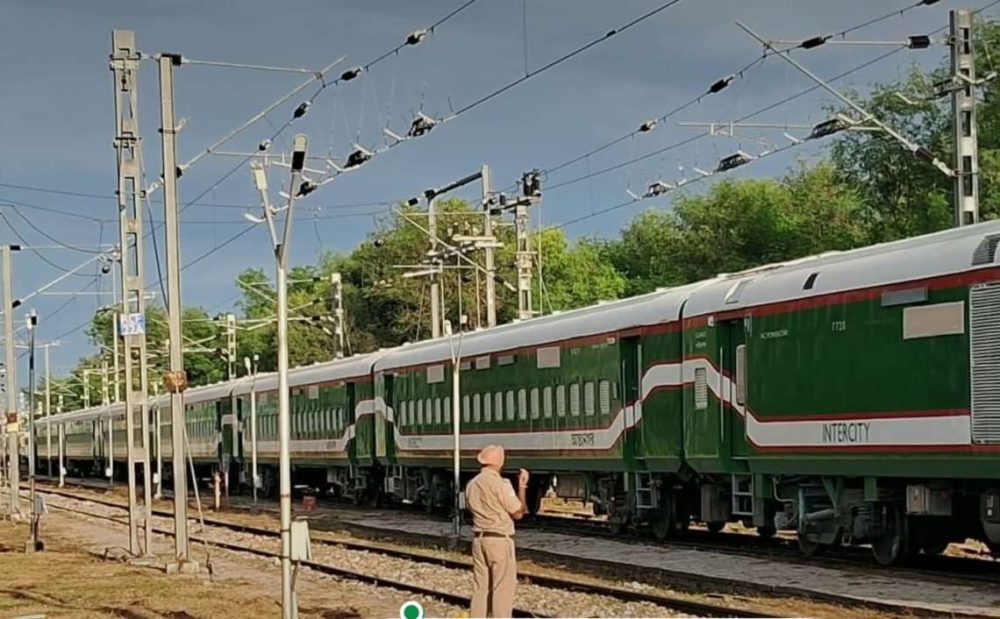
The sudden rise in Pakistani announcements of potential JF-17 exports — spanning North Africa, South Asia and now the Gulf — reflects this shift. Reports of talks with Libya, advanced negotiations with Bangladesh and discussions with Saudi Arabia suggest a coordinated effort to position Pakistan as a defence hub for a loosely aligned group of Muslim-majority states. In this narrative, the JF-17 is marketed not only as affordable but as politically “neutral”, offering buyers a way to diversify suppliers without turning directly to China or Russia.
For Europe, this emerging model poses a strategic challenge. By enabling arms transfers that bypass European regulatory frameworks and political conditionalities, it weakens the EU’s ability to use arms exports as a tool of diplomacy and values-based engagement. Norms related to human rights, transparency and end-use monitoring become harder to enforce when alternative supply chains operate outside established oversight structures.
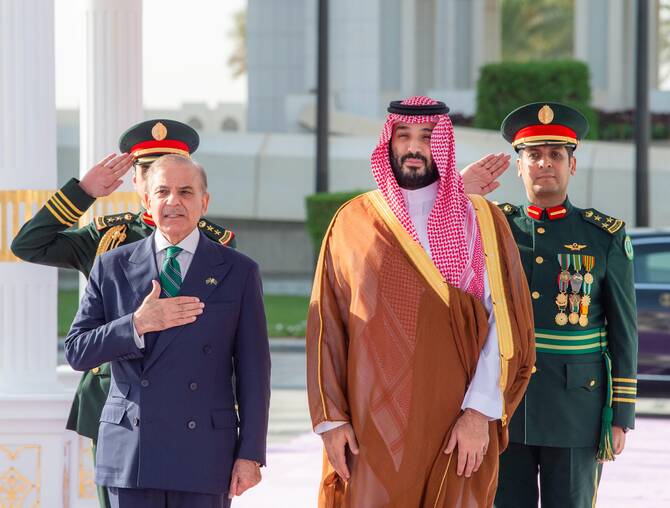
The implications for the United States are equally significant. Using intermediaries allows Beijing to expand its defence footprint without triggering direct political pushback from Washington. Of particular concern is the possibility of Chinese technology — even indirectly — entering the armed forces of countries closely aligned with the US, such as Saudi Arabia, raising questions around interoperability, data security and long-term strategic alignment at a time of intensifying great-power competition.
This shift coincides with a broader erosion of international legal norms. Former president Donald Trump’s public remarks asserting that moral judgment can override international law were not isolated rhetoric but part of a wider trend toward power-based governance. When major powers treat legal frameworks as optional, the precedent quickly spreads, creating space for others to justify their own departures from established norms.
In this environment, the JF-17 deal becomes symbolic of a larger transformation. The aircraft itself may or may not prove operationally reliable, but the strategic model behind its export represents a new phase in geopolitical competition: one in which influence is extended indirectly, responsibility is blurred, and the line between commerce and power is deliberately obscured.
As global competition intensifies, Europe faces a choice. It can defend the rules and institutions that underpin its influence, or adapt to a world in which arms, debt and diplomacy are increasingly tools of quiet power projection rather than regulated statecraft. The future of the international order may well hinge on which path is taken.