As power politics return, India’s BRICS presidency offers the Global South a rare chance to defend sovereignty, restore multilateralism and reshape global governance from the ground up.
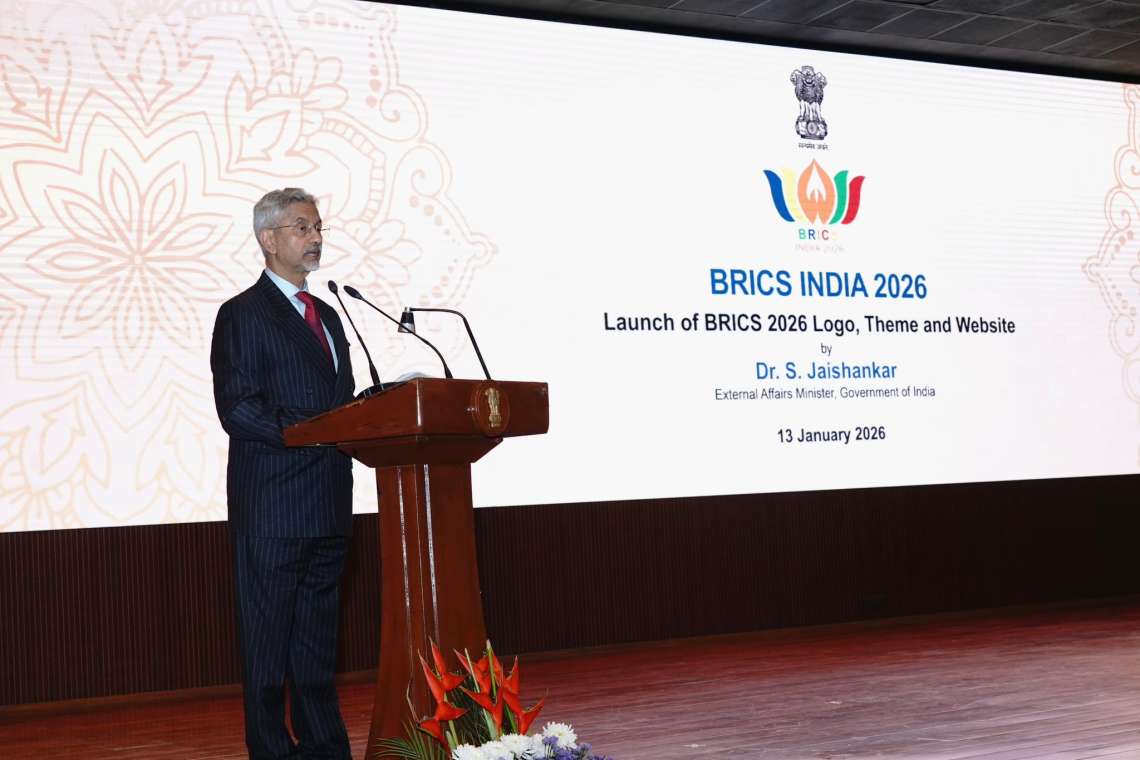
As India assumes the presidency of BRICS, the grouping finds itself at the centre of a rapidly shifting global order. Multilateralism, once the backbone of international diplomacy, is under strain as power politics re-emerge with renewed confidence. In this moment of flux, India’s leadership of BRICS is not merely ceremonial; it is strategic, symbolic and potentially transformative.
The opening days of 2026 have underlined how sharply the global landscape is changing. The return of Donald Trump to the White House has been accompanied by a string of assertive foreign policy actions that many analysts see as a decisive break from post-war norms. A US special forces operation in Caracas led to the capture of Venezuelan President Nicolás Maduro, followed by Washington asserting oversight over Venezuela’s oil exports. Airstrikes in Nigeria, justified as counter-terror operations, expanded America’s security footprint in West Africa. Meanwhile, renewed threats to acquire Greenland on strategic grounds have unsettled NATO allies and revived old fears about the erosion of sovereignty.

For many countries in the Global South, these events are unsettling reminders of how fragile international norms can be when power eclipses law. It is precisely in this environment that BRICS, and India’s stewardship of it, assumes new relevance.
Indian commentator T K Arun has described Trump’s approach as a revival of nineteenth-century imperial logic, where influence is asserted through force, coercion and transactional dominance rather than consensus and institutions. Whether it is oil in Venezuela, security in Africa or minerals in the Arctic, strategic interests increasingly appear to override the principles of sovereignty and multilateral decision-making.
Against this backdrop, India’s BRICS presidency offers an alternative pathway. Unlike military alliances or exclusive economic blocs, BRICS is built on the idea of strategic autonomy, mutual respect and pluralism. Its expansion into BRICS+ has brought in new voices from Africa, Latin America and the Middle East, all of whom are searching for platforms that amplify their interests without forcing alignment with any single power.

India’s credibility within this space is unique. As the world’s largest democracy, with a long tradition of non-alignment and balanced diplomacy, New Delhi is well placed to articulate a vision of global cooperation that resists both Western unilateralism and authoritarian dominance. Its presidency gives it the opportunity to refocus BRICS on practical multilateralism: strengthening development finance, promoting trade in local currencies, expanding South-South cooperation, and defending institutional norms that protect smaller states.
The early months of 2026 suggest that many nations are quietly looking to India for leadership. In Africa, governments facing external pressure are seeking partnerships that respect sovereignty. In Latin America, economic diversification has become urgent as geopolitical competition intensifies. In Asia, middle powers are hedging against instability by reinforcing regional and multilateral ties.

India’s challenge will be to translate goodwill into institutional strength. That means using the BRICS presidency to push for reform of global governance bodies, resist the normalisation of unilateral intervention, and offer constructive alternatives to power-based diplomacy. It also requires consistency at home: social cohesion, economic resilience and democratic credibility remain essential to India’s global voice.
In an era when international law is increasingly treated as optional, India’s BRICS presidency could become a defining moment. Not just for the grouping itself, but for the future of multilateralism in a world that is once again flirting with the logic of might over right.