Canada pivots east as Mark Carney seals a breakthrough China trade deal, opening billions in new export markets and signalling a bold reset in global economic strategy.
Canada has announced a landmark trade agreement with China, unlocking more than $7 billion in new export opportunities and signalling a major shift in Ottawa’s global economic strategy amid growing unpredictability in its relationship with the United States.
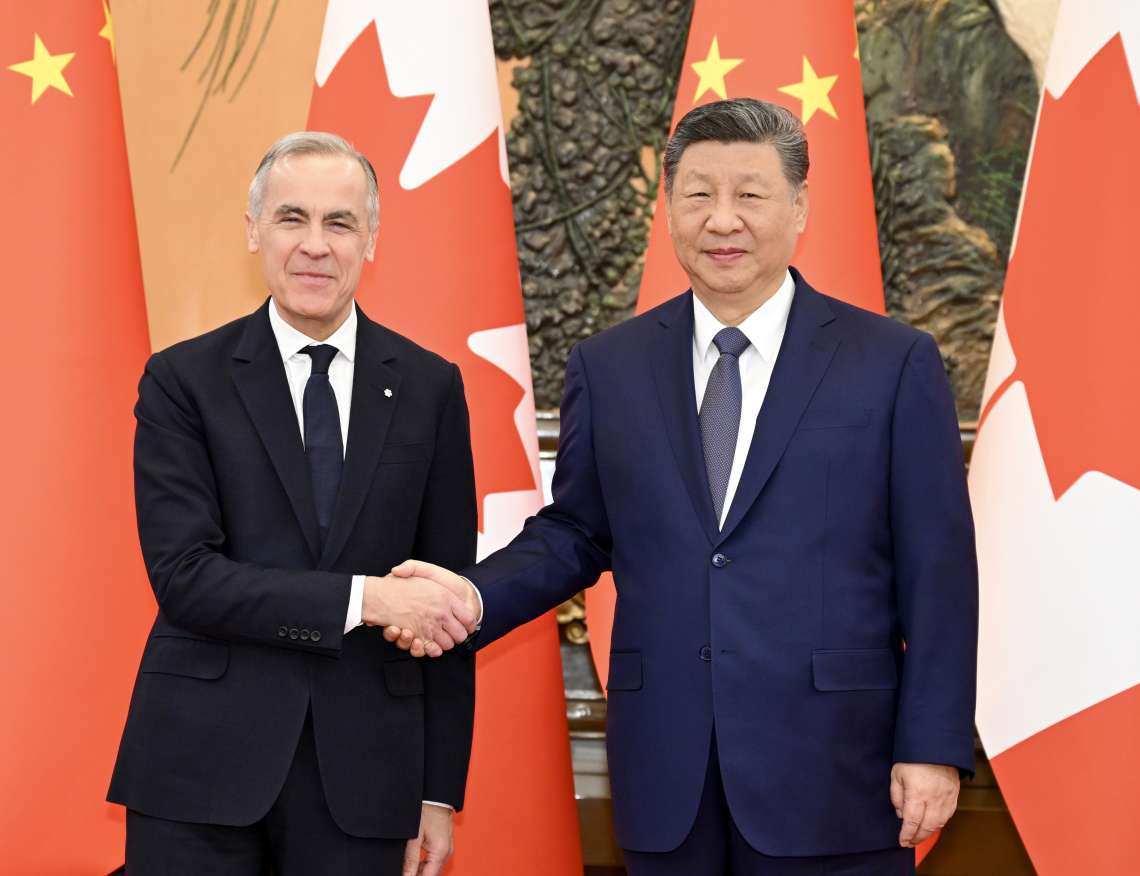
Prime Minister Mark Carney confirmed the deal during his visit to Beijing, describing the agreement as a crucial step towards building a more resilient and diversified Canadian economy. The announcement marks the first visit by a Canadian prime minister to China since 2017 and underlines a cautious but deliberate thaw in bilateral relations after years of diplomatic strain.
A strategic pivot in a divided world
In a statement released by the Prime Minister’s Office, the government said the agreement reflects Canada’s determination to expand its trade horizons at a time when global commerce is increasingly shaped by political divisions and economic nationalism.
“In a more divided and uncertain world, Canada is building a stronger, more independent, and more resilient economy,” the statement said, adding that China, as the world’s second-largest economy, offers “enormous opportunities” for Canadian businesses, farmers and workers.
Carney echoed that message on social media, saying the deal would help Canadian exporters access new markets and reduce reliance on any single trading partner. His visit to Beijing included meetings with Chinese President Xi Jinping, Premier Li Qiang and Zhao Leji, chairman of the Standing Committee of the National People’s Congress, culminating in a joint statement outlining the pillars of a renewed Canada–China strategic partnership.
Tariff trade-offs and market access
At the heart of the agreement lies a significant exchange of concessions. Canada has agreed to cut its 100 per cent tariff on Chinese electric vehicles, while China will sharply reduce tariffs on key Canadian agricultural exports, most notably canola seeds.
Under the deal, Chinese EV exports to Canada will initially be capped at 49,000 vehicles per year, with the ceiling rising to approximately 70,000 over five years. In return, China will lower its tariff on Canadian canola from 84 per cent to around 15 per cent, providing major relief to Canadian farmers who have struggled with restricted access to the Chinese market in recent years.
The agreement also includes provisions covering agricultural goods, technology cooperation, and long-term investment frameworks, although officials say further details will be released in the coming months.
A contrast with US trade tensions
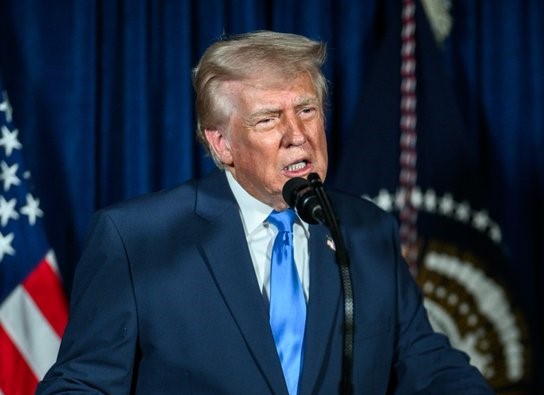
Carney’s remarks suggest the deal is also a response to deteriorating trade conditions with the United States. Canada is currently facing a 35 per cent levy on certain goods, alongside a blanket 50 per cent tariff on imported metals and a 25 per cent tariff on non-US automobiles imposed by Washington.
Speaking to CBS News, Carney said China had become a more predictable trading partner than the United States, a striking admission that reflects Ottawa’s growing frustration with US trade volatility under President Donald Trump’s second term.
“Our relationship has progressed in recent months with China. It is more predictable and you see results coming from that,” Carney said.
The contrast is particularly sharp as Washington and Beijing continue to spar over tariffs. While both sides threatened 100 per cent levies earlier this year, a meeting between Trump and Xi Jinping resulted in partial exemptions on Chinese goods until November 2026, highlighting the fragile and transactional nature of current US trade policy.
Economic pragmatism over geopolitics
For Canada, the agreement is less about geopolitics and more about economic survival in an era of shifting alliances. Officials insist the deal does not signal a break with traditional Western partners but rather a pragmatic effort to reduce vulnerability by expanding trade links across Asia.
Economists say the agreement could provide a much-needed boost to Canadian exports, particularly in agriculture and clean technology, while offering consumers access to cheaper electric vehicles at a time of rising living costs.