Gulf media leaders call for unified, proactive storytelling strategy, positioning regional image as a powerful soft power tool to shape global perceptions and future influence, reports Asian Lite Newsdesk
Media leaders from across the Gulf have underscored the growing importance of shaping the region’s global image as a strategic soft power asset, calling for a shift from reactive messaging to proactive narrative-building during a high-level session in Dubai.
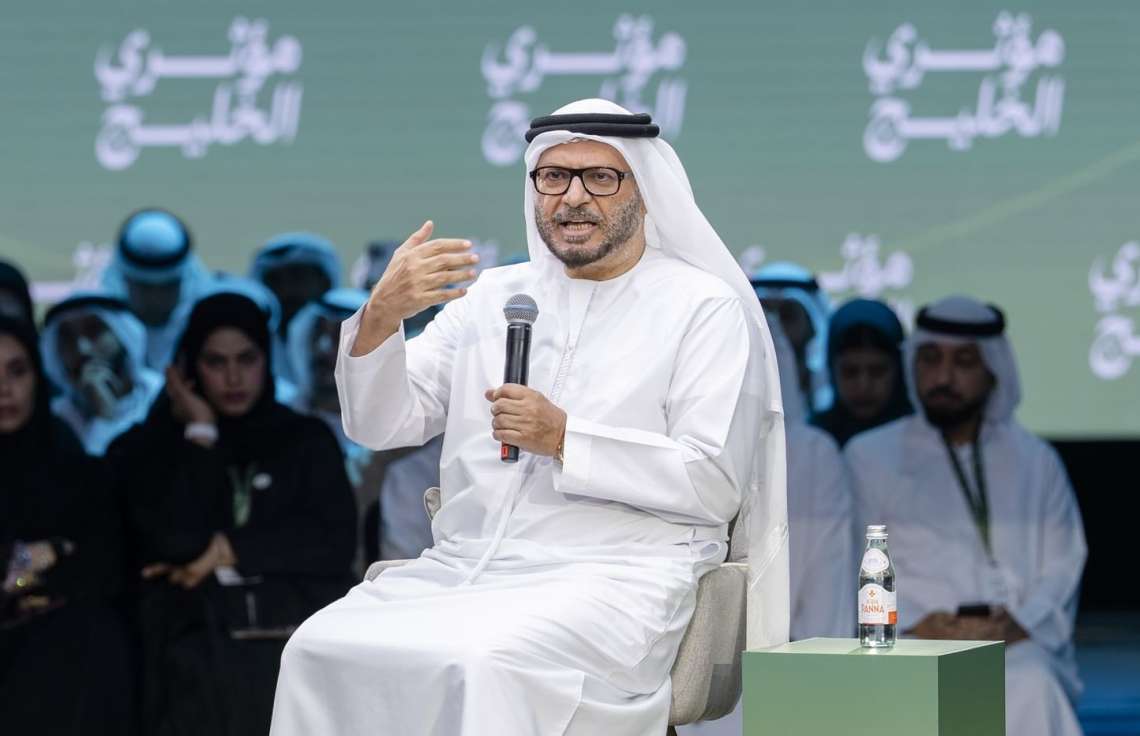
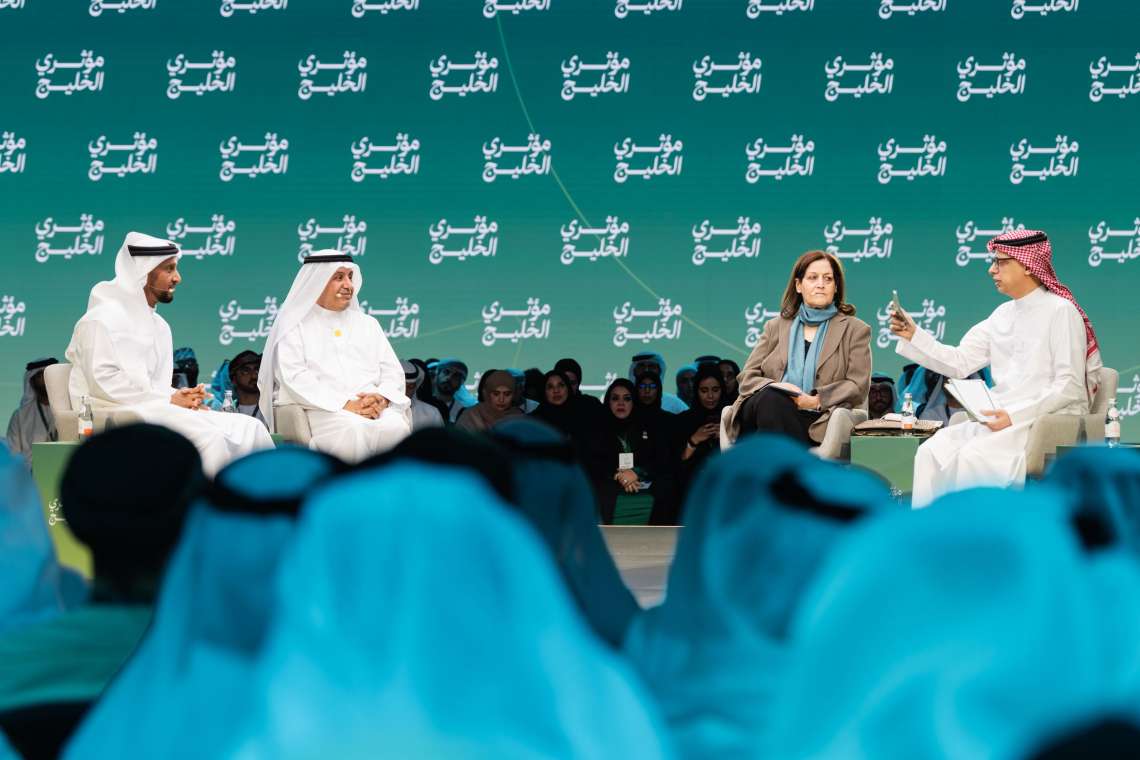
The discussion, titled ‘Reshaping the Gulf’s Image in Global Media’, took place at the Gulf Creators event organised by the UAE Government Media Office at Atlantis The Palm. The gathering brought together more than 1,000 media professionals, thinkers and content creators from across the region.
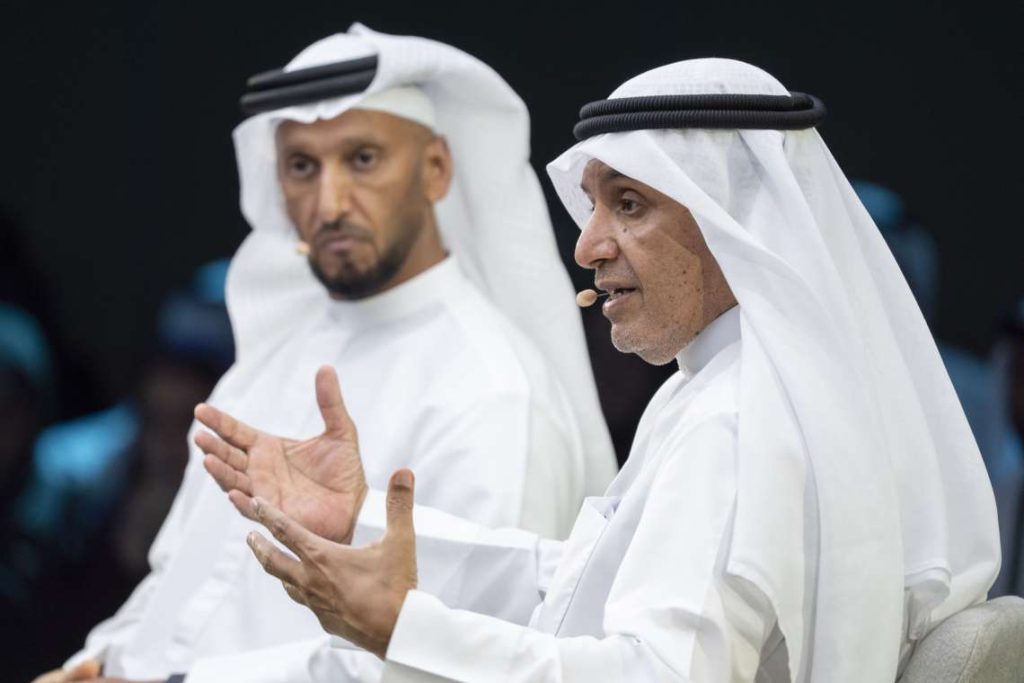
Speakers at the session included Samira Rajab, former Bahraini Minister of State for Media Affairs; Saad bin Tefla Al Ajmi, former Kuwaiti Minister of Information; and Abdulla bin Mohammed bin Butti Al Hamed, Chairman of the National Media Authority.
Participants stressed that the Gulf’s global perception must be treated as a matter of long-term strategic importance, warning that the absence of cohesive planning has hindered the development of a unified regional narrative. They called for a more sophisticated and integrated media discourse capable of adapting to the fast-evolving digital environment while engaging younger audiences.
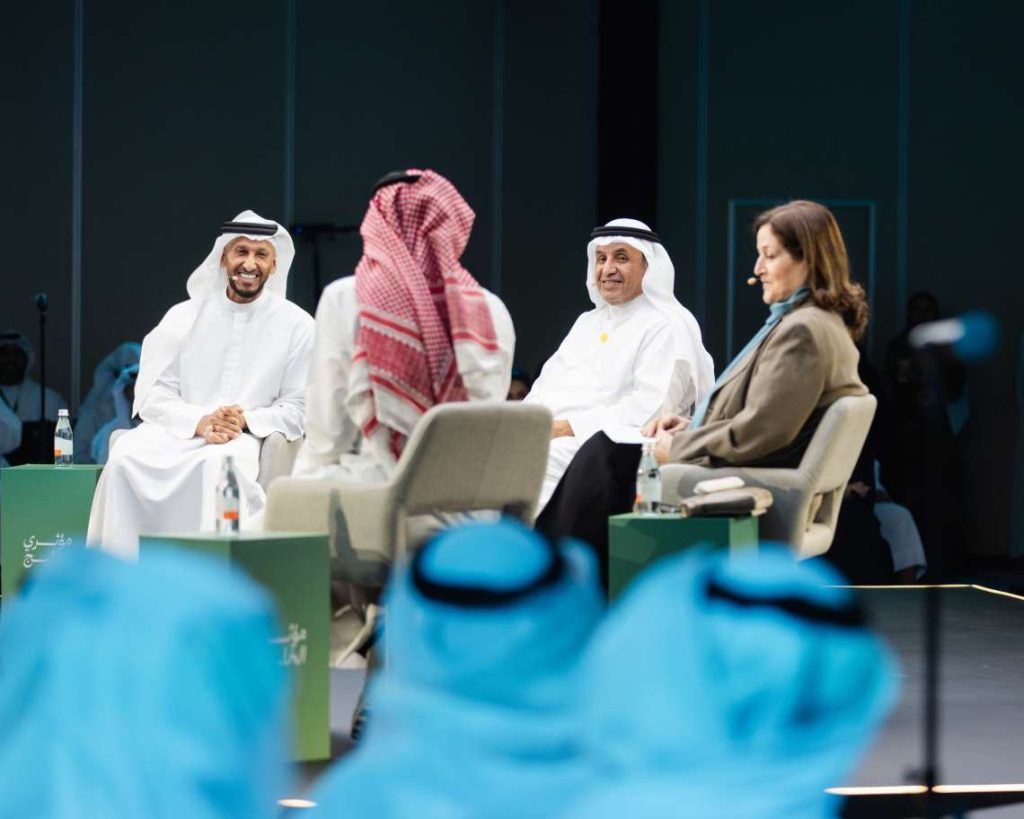
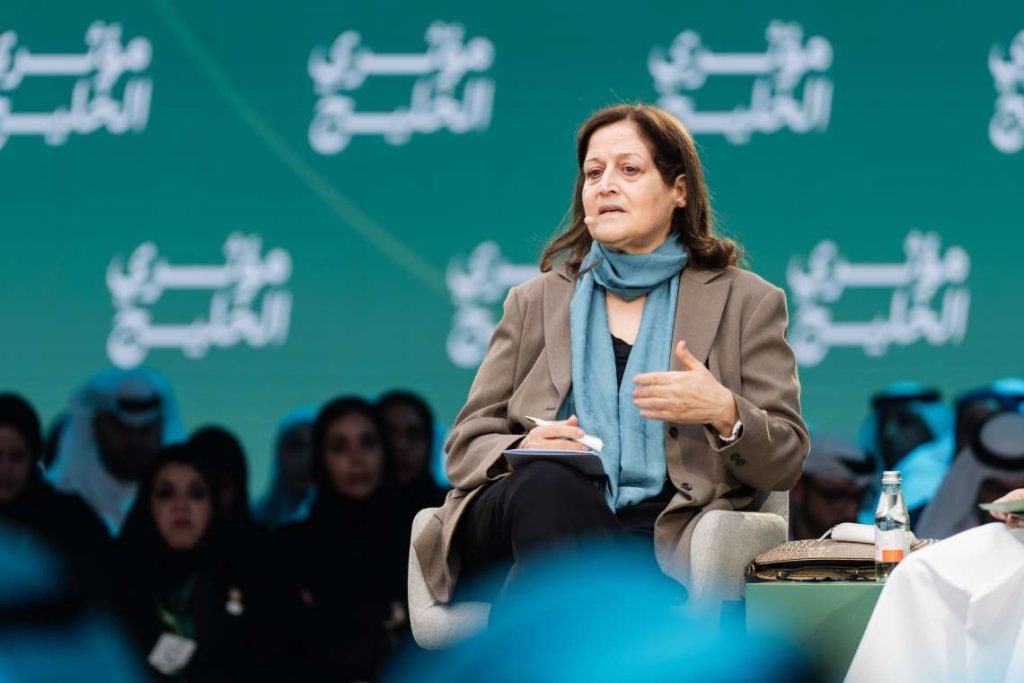
Rajab argued that rebuilding the Gulf’s international image must be rooted in authenticity rather than superficial branding. She said entrenched stereotypes — often centred on oil wealth and luxury — should be replaced with a narrative that reflects the region’s civilisational depth, institutional strength and social cohesion. According to her, projecting a more accurate representation of Gulf societies requires embedding “image-making” within national security frameworks, elevating it to the same level of strategic priority as defence.
She also highlighted the need for what she described as “narrative sovereignty”, urging Gulf nations to empower local talent to shape their own stories rather than relying on external interpretations that may distort reality.
Al Ajmi pointed to recent geopolitical tensions, including what he described as Iranian aggression, as an opportunity for the Gulf to reassess and strengthen its messaging. He argued that the region should focus on presenting its intrinsic realities rather than tailoring narratives for international approval. He also criticised segments of Arab media discourse that, during crises, appeared to side with aggressors or engage in victim-blaming, calling for a reassessment grounded in principles of political and media reciprocity.
Highlighting successful examples of reshaping global perceptions, Al Ajmi cited FIFA World Cup 2022, Dubai’s emergence as a global hub, and the logistical scale of the Hajj pilgrimage as instances where the region has effectively demonstrated its capabilities. However, he noted that such achievements remain underutilised in international storytelling.
Al Hamed echoed the importance of self-representation, warning that a lack of strong local narratives allows external voices to define the region’s image. He outlined the National Media Authority’s role in institutionalising the UAE’s reputation through a cohesive, forward-looking narrative that highlights national achievements on a global stage.
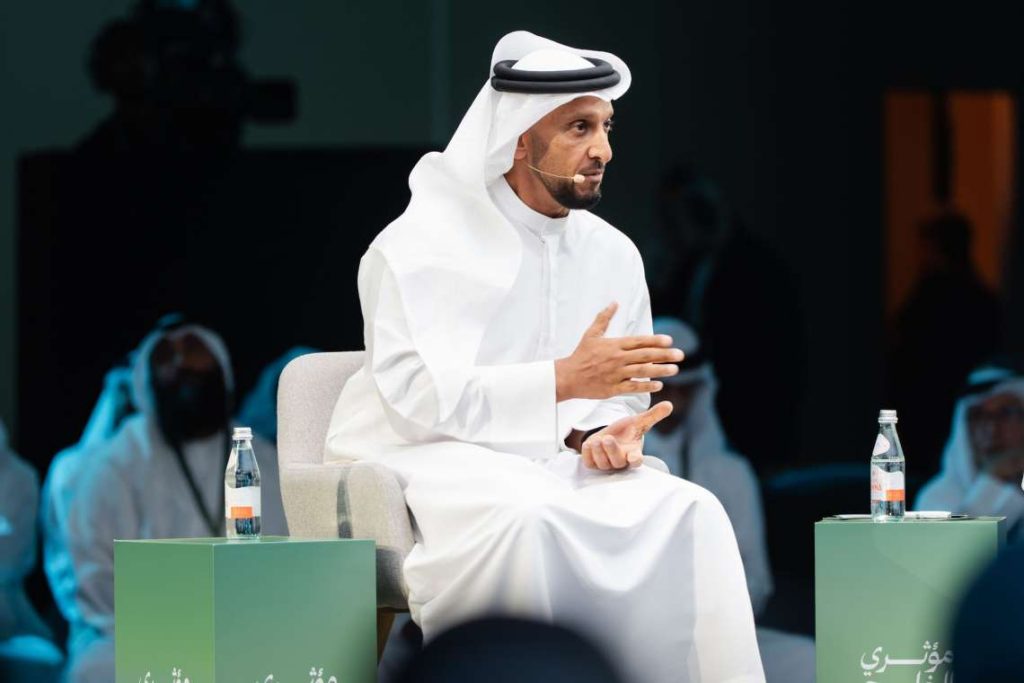
He also emphasised the need for media platforms to move beyond marginal disputes and instead focus on amplifying the region’s broader accomplishments and unity. Addressing recent tensions, he reaffirmed the UAE’s commitment to transparency and consistency in its messaging, regardless of shifting geopolitical dynamics.
Al Hamed further highlighted the UAE’s track record in digital governance, particularly in holding global platforms accountable over issues such as hate speech and data manipulation. He concluded by stressing the importance of building a future-oriented legacy, guided by long-term vision rather than retrospective celebration.