The case dates back to 2018, when the Directorate of Revenue Intelligence raised concerns over Coastal Energy’s alleged supply of sub-standard coal to the National Thermal Power Corporation (NTPC), allegedly causing substantial financial losses to the public sector undertaking…reports Asian Lite News Desk
A special CBI court in Chennai has dropped proceedings against NRI businessman Ahmed Buhari under the Prevention of Money Laundering Act (PMLA), holding that the case cannot survive once the underlying criminal allegations against him are dismissed.
The court pronounced the order on 28 April, bringing relief to Ahmed Buhari, promoter of Coastal Energy and several associated entities. Effectively, it ended an eight-year legal battle that began with allegations of financial misconduct against the coal group.
The ruling also reinforced a key limitation in India’s anti-money laundering framework: money laundering charges cannot stand independently once the predicate offence, or original criminal case, is quashed.
The case dates back to 2018, when the Directorate of Revenue Intelligence raised concerns over Coastal Energy’s alleged supply of sub-standard coal to the National Thermal Power Corporation (NTPC), allegedly causing substantial financial losses to the public sector undertaking.
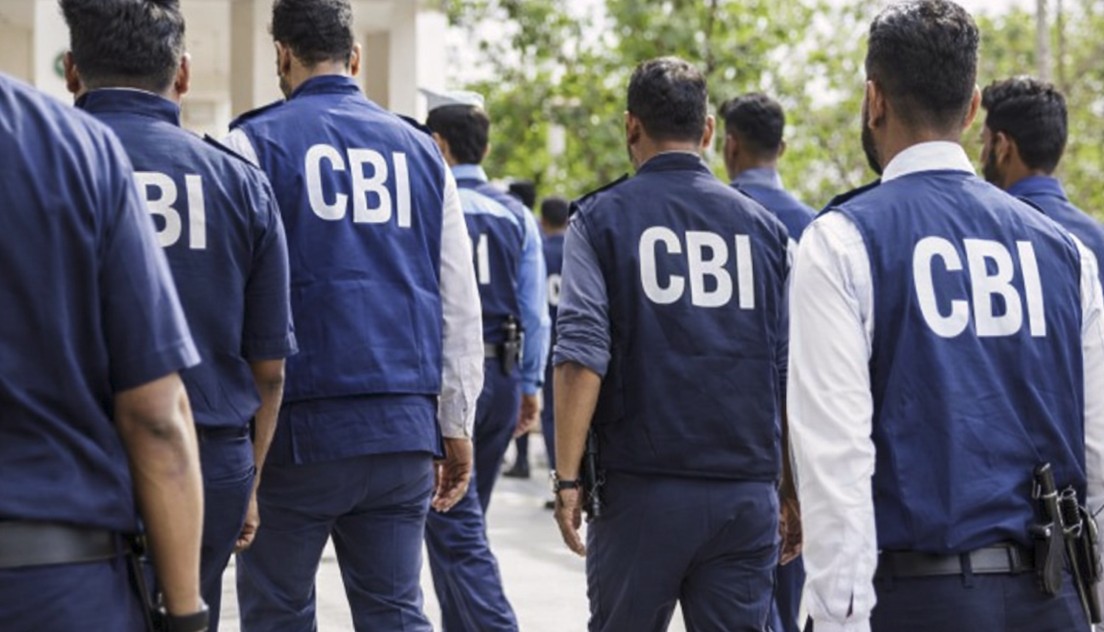
Acting on this intelligence, the Central Bureau of Investigation (CBI) registered a First Information Report (FIR) against Buhari under Section 420 of the Indian Penal Code and provisions of the Prevention of Corruption Act, alleging cheating and corruption.
The alleged transactions between Coastal Energy and NTPC formed the basis of the subsequent money laundering case, with investigators treating the funds involved as “proceeds of crime”. Under the PMLA, such a predicate offence—the underlying criminal activity generating illicit funds—is essential for sustaining money laundering proceedings.
Following the CBI FIR, the Enforcement Directorate (ED) initiated proceedings against Ahmed Buhari under the PMLA, triggering a prolonged and multi-layered legal battle involving multiple agencies and jurisdictions.
In 2022, Ahmed Buhari was arrested and remained in custody for more than two and a half years, despite the predicate case remaining unresolved and no charge sheet being filed. He was eventually granted bail in 2024 after multiple pleas, with the case drawing attention to concerns over prolonged incarceration in economic offence matters.
The case took a decisive turn in September 2025, when the Delhi High Court quashed the CBI FIR that formed the foundation of the prosecution’s case.
The court noted that the CBI had failed to uncover evidence of wrongdoing. It found that investigators had neither established that the coal supplied was sub-standard nor demonstrated any unlawful gains.
The court also observed that parallel cases and regulatory proceedings involving similar FIRs had already been closed due to lack of evidence. In these circumstances, it quashed the FIR to prevent further harassment of the businessman.
Meanwhile, the PMLA proceedings were separately challenged before the Madras High Court, which issued a series of orders between late 2025 and early 2026 quashing proceedings against several accused entities.
The matter subsequently returned to the special CBI court in Chennai in 2026.
Before the special CBI court, the central question was whether proceedings could continue against the remaining accused despite the predicate offence having been quashed. The court answered in the negative.
Relying on the Supreme Court’s legal framework governing PMLA prosecutions, the court held that once the predicate offence is extinguished, the entire chain of allegations collapses. In the absence of a legally recognised crime, there can be no “proceeds of crime” and, consequently, no offence of money laundering.
At the same time, the court adopted a cautious approach by granting the ED liberty to revive proceedings in the future, but only if the predicate offence is reinstated.
The ruling is expected to influence how enforcement agencies approach complex economic offence investigations, particularly in cases where the underlying criminal allegations themselves fail to withstand judicial scrutiny.
While the order marks a major relief for Ahmed Buhari, he continues to battle proceedings linked to the corporate insolvency resolution process (CIRP) of Coastal Energy.
The Dickey-Adani consortium took over the company in 2024 while Buhari was in custody. During interim proceedings, the Chennai bench of the National Company Law Appellate Tribunal (NCLAT) observed that the dispute raised complex questions regarding the eligibility of the successful resolution applicant under the CIRP process.
At that stage, the bench directed status quo—maintaining the existing position pending final adjudication—noting that the issues required detailed examination.
The Supreme Court later intervened, stayed the NCLAT’s status quo order, and directed expeditious disposal of the matter within a fixed timeline. Proceedings in the matter are currently pending before the NCLAT.