India has expressed solidarity with Japan after a powerful 7.1-magnitude earthquake struck Kumamoto Prefecture, causing casualties and widespread damage….reports Asian Lite News Desk
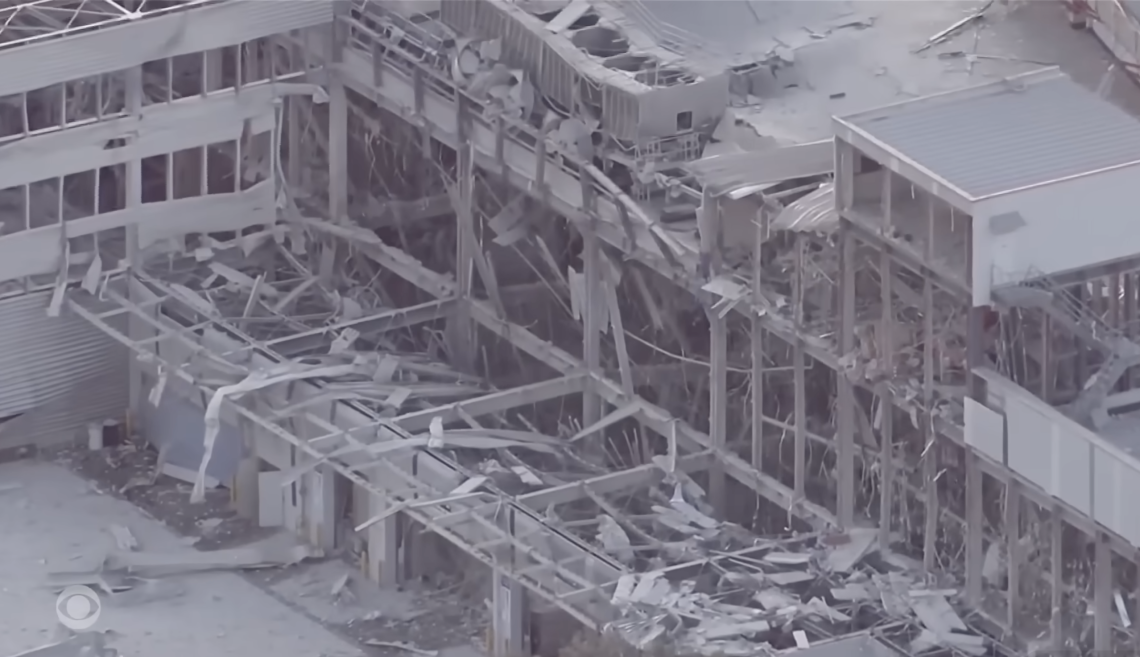
India on Tuesday expressed solidarity with Japan after a powerful 7.1-magnitude earthquake struck Kumamoto Prefecture, triggering widespread damage, casualties and an extensive emergency response across the affected region.
External Affairs Minister S. Jaishankar conveyed India’s support to the Japanese government and its people, expressing concern over the devastating earthquake and wishing for the safety of those affected.
“Deeply concerned at the news of the earthquake that struck Kumamoto prefecture in Japan. Express our solidarity and support to the Government and people of Japan as they respond to it,” Jaishankar wrote on X. “Pray for the safety and recovery of those affected by the earthquake.”
According to Japan’s public broadcaster NHK, the earthquake struck the Kyushu region at around 4:27 p.m. on Tuesday, registering the maximum level 7 on Japan’s seismic intensity scale. It was one of the strongest earthquakes to hit the region in recent years.
Japanese Prime Minister Sanae Takaichi activated the government’s full emergency response, establishing an Emergency Disaster Countermeasures Headquarters to coordinate rescue and relief operations.
In a statement posted on X, Takaichi said the quake caused structural collapses, road damage, fires and human casualties. She extended condolences to those affected and confirmed that the first emergency response meeting was convened shortly after the disaster task force was established.
“The government will work tirelessly through the night to swiftly assess the overall damage situation and carry out emergency disaster response measures, starting with the rescue and lifesaving of those affected,” she said.
“At the same time, we will ensure the reliable delivery of essential supplies such as food and water, as well as simple air conditioners and power vehicles for heatstroke prevention, utilizing push-type support where appropriate, and strive to secure a safe and suitable evacuation environment.”
Authorities said rescue operations were continuing through the night as emergency teams dealt with widespread power outages, water shortages and concerns over heat-related illnesses among evacuees.
As part of the government’s response, Takaichi also spoke with Kumamoto Governor Kimura to assess conditions on the ground and assured the prefecture of full national support.
According to NHK, the earthquake was followed by several aftershocks, including tremors measuring lower 5 on Japan’s seismic intensity scale.
The broadcaster reported that the quake was the first to register the maximum seismic intensity of 7 since the 2024 Noto Peninsula earthquake and the first time Kumamoto had experienced an intensity-7 earthquake since the twin earthquakes that struck the prefecture in April 2016.
Emergency officials continued to assess the full extent of the damage as rescue and relief efforts remained underway.
According to ANI, Japanese authorities have urged residents to remain alert for strong aftershocks while emergency services continue search, rescue and recovery operations across the affected areas.