Iran and Oman report progress on a new Strait of Hormuz shipping arrangement as competing statements from Tehran and Washington keep regional diplomacy under close watch, reports Arab Daily News Desk
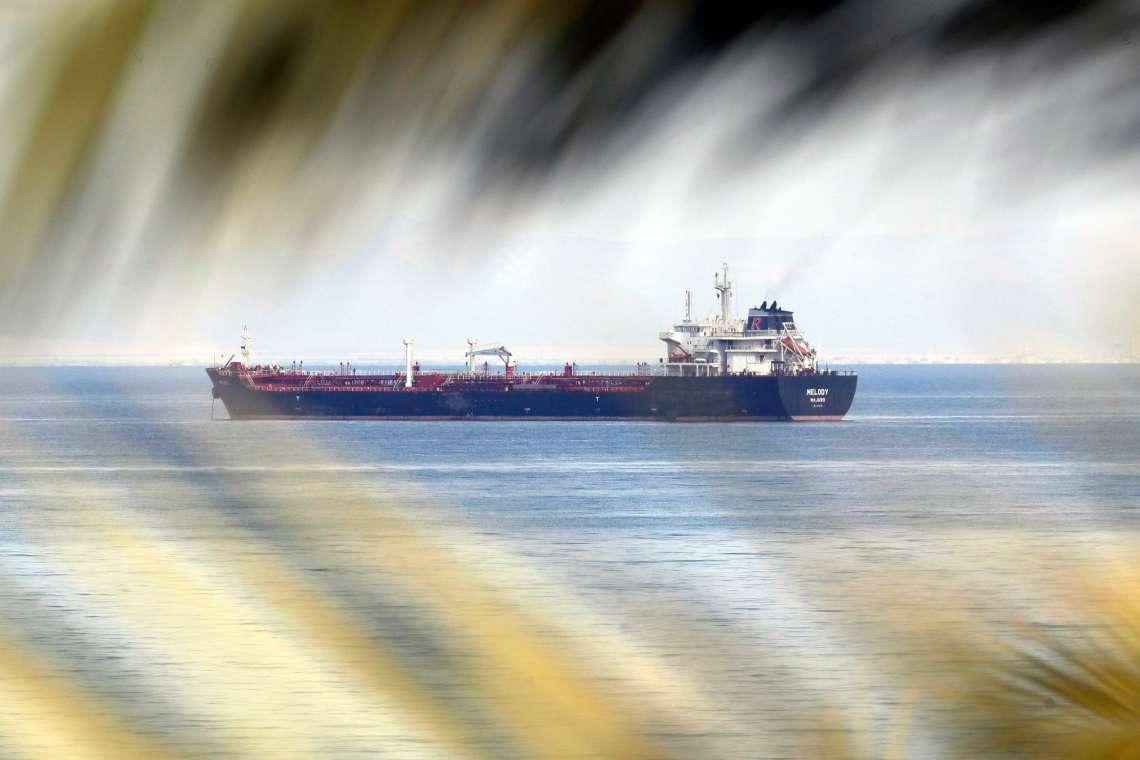
Iran and Oman have reported progress in negotiations aimed at establishing a new shipping arrangement through the Strait of Hormuz, raising hopes that one of the world’s most strategically important maritime corridors could reopen to normal commercial traffic after months of disruption.
The discussions, which focus on creating a revised navigation system for vessels travelling through the narrow waterway, come as diplomatic efforts continue alongside separate statements from Washington expressing optimism about a possible breakthrough.
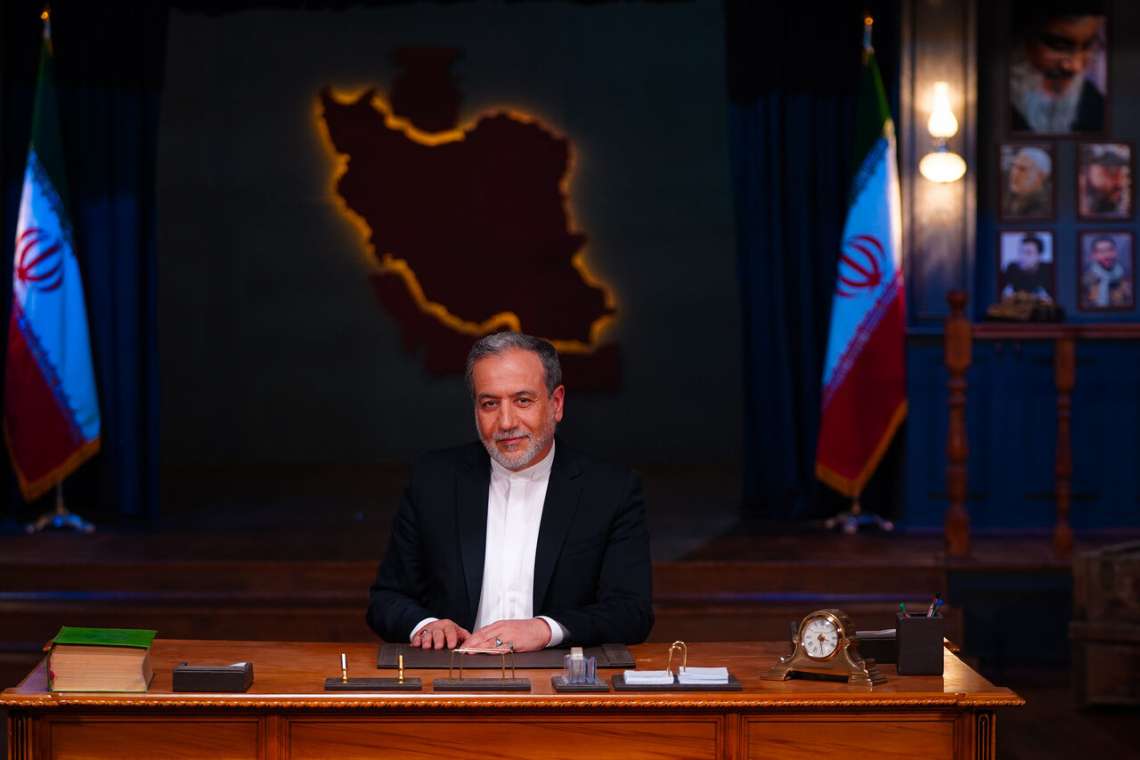
Iran’s Foreign Ministry said talks with neighbouring Oman have been progressing positively at both the technical and political levels.
Foreign Ministry spokesperson Esmaeil Baqaei said discussions between the two coastal nations were centred on establishing safe routes for commercial shipping while balancing the sovereign rights and national security interests of both countries.
According to Iranian officials, the proposed arrangement would replace the existing multiple navigation lanes with a single two-way corridor running through the Strait of Hormuz. The revised route is intended to provide a temporary mechanism for managing maritime traffic until a permanent agreement can be reached.
Iranian media reported that the proposed system would position inbound vessels closer to Iranian waters, while ships leaving the Gulf would use a route nearer to Oman. Officials said the negotiations remain ongoing and that the final details will only be announced once an agreement has been completed.
Regional officials familiar with the discussions have suggested the arrangement could also include security and environmental service charges for ships using the route, although negotiations are continuing and the final framework could differ from the current proposals.
US signals optimism despite differing accounts
The negotiations have also drawn attention in Washington, where senior US officials have indicated that discussions over restoring navigation through the Strait are continuing.
US Treasury Secretary Scott Bessent said there was a possibility that an agreement could be reached within days to reopen the strategic waterway and move towards a more stable situation in the region.
Asked whether Iran would be permitted to levy tolls on vessels using the Strait, Bessent said the objective remained ensuring freedom of movement for commercial shipping.
He added that reopening the route would allow hundreds of vessels currently delayed in the Gulf to resume their voyages, easing pressure not only on global energy markets but also on the transport of fertilisers, refined petroleum products and industrial gases.
US Secretary of State Marco Rubio described reopening the Strait as Washington’s immediate priority, while reiterating that broader diplomatic objectives regarding Iran remained unchanged.
However, Tehran has denied that it is engaged in direct negotiations with the United States. Baqaei insisted that discussions are taking place exclusively between Iran and Oman and said no third country is participating in the talks.
CENTCOM says shipping route operational
The United States Central Command (CENTCOM) has meanwhile maintained that the southern navigation route through the Strait of Hormuz remains open for commercial shipping.
In a statement posted on social media, CENTCOM said US forces had assisted more than 1,000 commercial vessels in safely transiting the waterway over the past three months despite continuing regional tensions.
The command also said US naval forces remain active in the Gulf to support freedom of navigation and protect commercial shipping.
Earlier updates from CENTCOM said US forces had redirected dozens of commercial vessels while boarding and disabling others during maritime security operations linked to enforcement activities in the region.
Conflicting statements
US President Donald Trump said Washington was engaged in what he described as productive discussions with Iran and warned that Tehran would face severe consequences if the Strait was not reopened quickly.
Trump also said negotiations were focused on restoring shipping through the waterway and expressed confidence that an agreement could be reached rapidly.
Iran, however, rejected suggestions that direct talks with Washington were taking place. Iranian officials maintained that only discussions with Oman were underway and described the Muscat-Tehran negotiations as efforts to develop future arrangements for managing shipping traffic through the strategic passage.