China’s zero-tariff policy is expected to boost African exports, but analysts say greater market access alone may not address the continent’s trade imbalance….reports Africa Daily News Desk
China’s decision to provide zero-tariff access to exports from more than 50 African countries could increase trade between the two sides, but the move alone may not resolve the structural imbalances in Africa-China commerce, according to a report.
The issue was highlighted at a seminar in Abuja on August 14 attended by nearly 500 government officials, diplomats, academics and business leaders, The Diplomat reported. A Nigerian minister cautioned that tariff relief should not be viewed as a solution to the broader economic challenges facing African countries.
“Zero tariffs alone do not guarantee success,” the minister said, stressing that the central challenge was not simply whether African countries could export more, but whether they could export higher-value products through greater value addition.
China’s zero-tariff policy, which took effect on May 1, provides duty-free access across 100 per cent of tariff lines for African countries that maintain diplomatic relations with Beijing.
Early trade figures indicate an increase in African exports to China following the policy change. Chinese imports from Africa rose 23.5 per cent year-on-year to $28.7 billion in May and June, according to the report. Imports from Nigeria alone reportedly increased by more than 40 per cent during the same period.
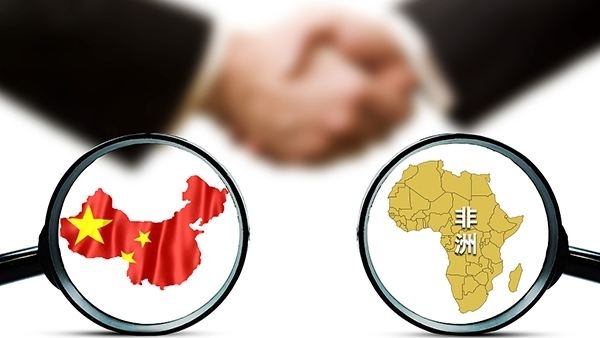
The development comes as trade between Africa and China continues to expand. Merchandise trade between the two sides reached a record $348 billion in 2025, the report said.
However, the figures also highlight a significant trade imbalance. China’s exports to Africa stood at $225 billion in 2025, while African exports to China totalled $123 billion, leaving the continent with a trade deficit of $102 billion.
According to The Diplomat, the disparity is linked less to the availability of market access and more to the composition of goods traded between the two sides.
African exports to China remain heavily concentrated in raw materials and extractive industries. Nearly 89 per cent of African exports to China between 2000 and 2022 came from extractive sectors, including oil, copper and iron ore, the report said.
In contrast, manufactured goods accounted for the vast majority of African imports from China.
The pattern has raised questions over whether expanded market access will translate into greater industrialisation and higher-value exports for African economies. While lower trade barriers can create additional opportunities for exporters, the report highlighted the need for African countries to strengthen processing and manufacturing capacity so that more value is retained within the continent.
The zero-tariff arrangement therefore presents both an opportunity and a challenge for African economies seeking to expand their presence in the Chinese market. Increasing export volumes could improve trade flows, but shifting from predominantly raw-material exports towards processed and manufactured products remains a key issue in efforts to address the longstanding imbalance in Africa-China trade.