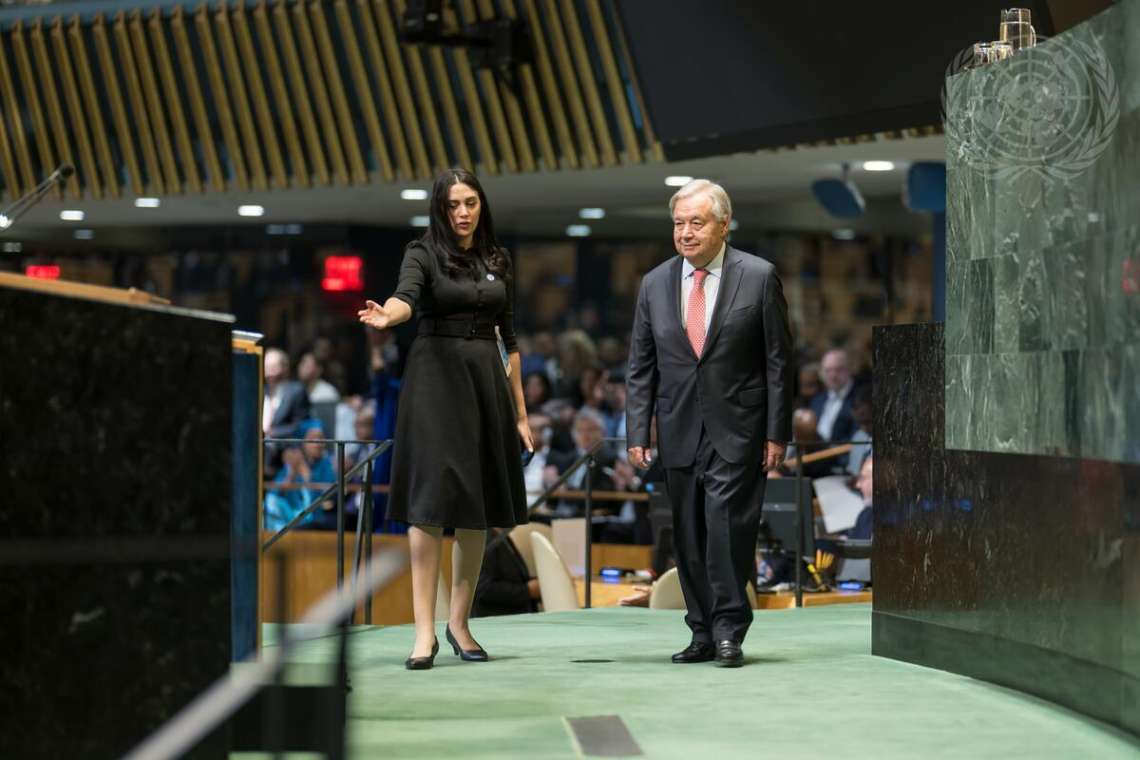
UN chief António Guterres warns that military, economic and technological power cannot secure peace as wars, geopolitical divisions and global risks intensify…reports Arab Daily News Desk
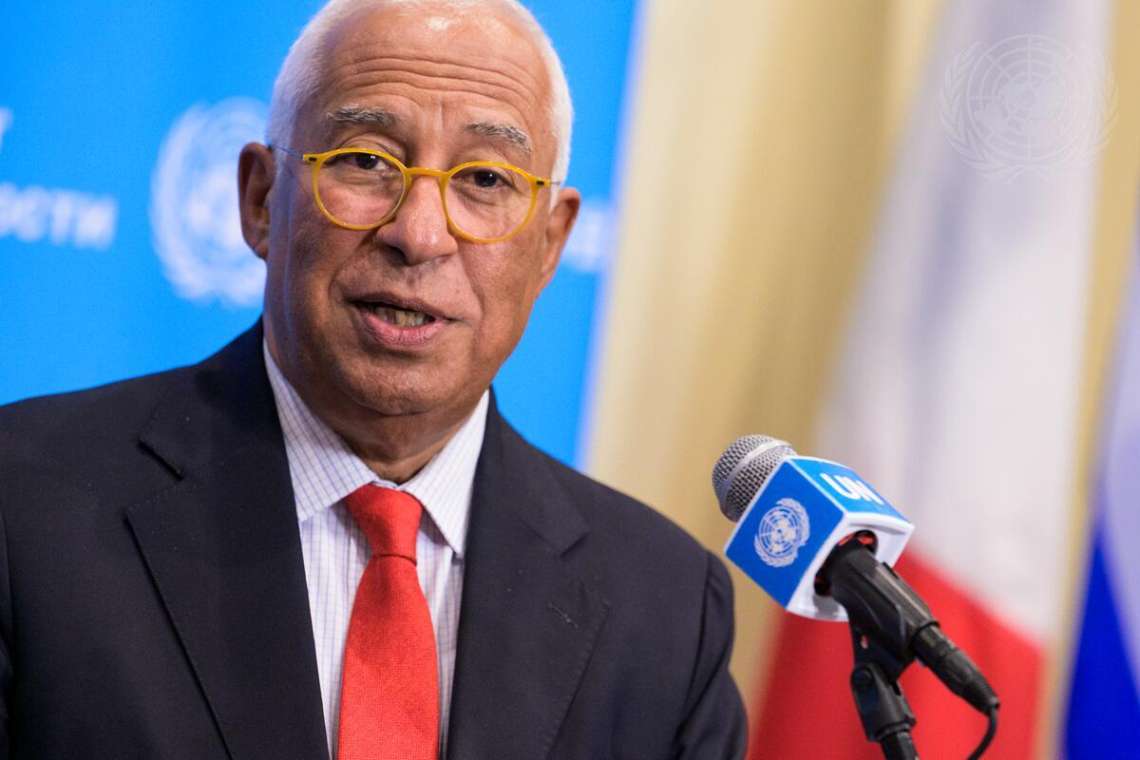
UN Secretary-General António Guterres has warned that the world’s major powers are discovering the limits of military, economic and technological strength, as wars and geopolitical divisions place the international order under mounting strain.
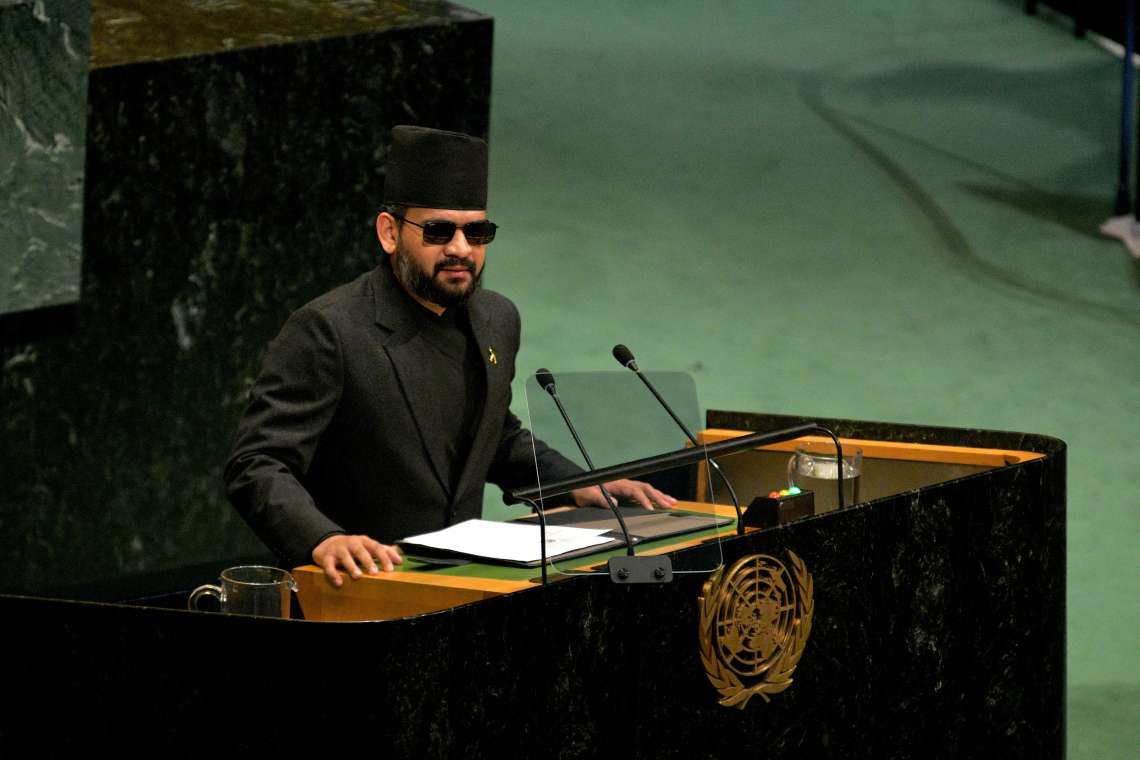
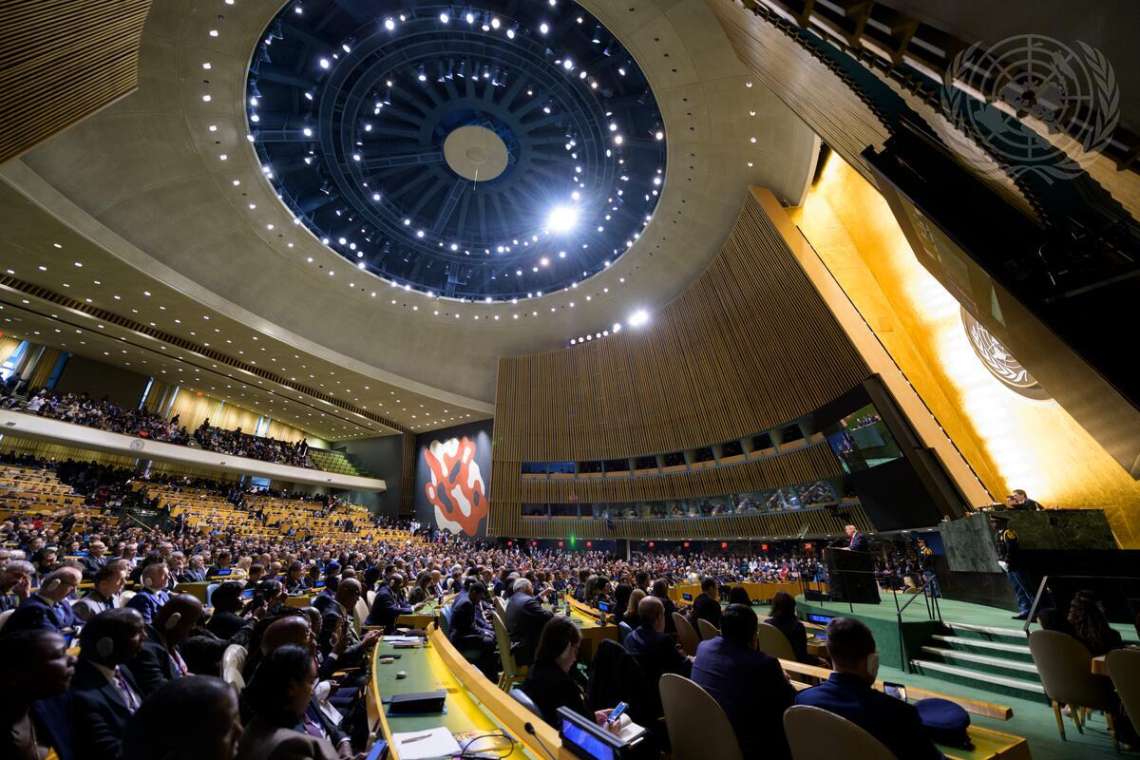
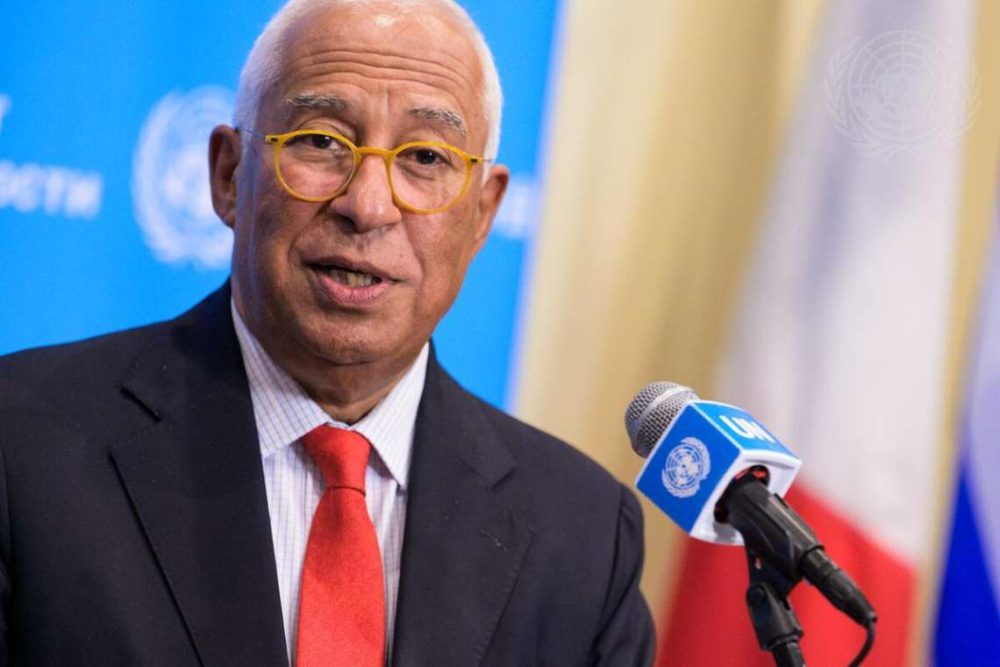
Delivering what was his final address to the UN General Assembly, Guterres said the world was moving towards a more multipolar system but faced a choice between deeper fragmentation and greater international cooperation.
“Military power alone cannot secure peace. Economic power alone cannot command stability. And technological power alone cannot guarantee security,” Guterres said.
He called on world leaders, particularly major powers, to recognise that their influence had limits and that no country could address the defining challenges of the 21st century alone.
“The events of recent years have made that unmistakably clear,” he said. “Their power has limits.”
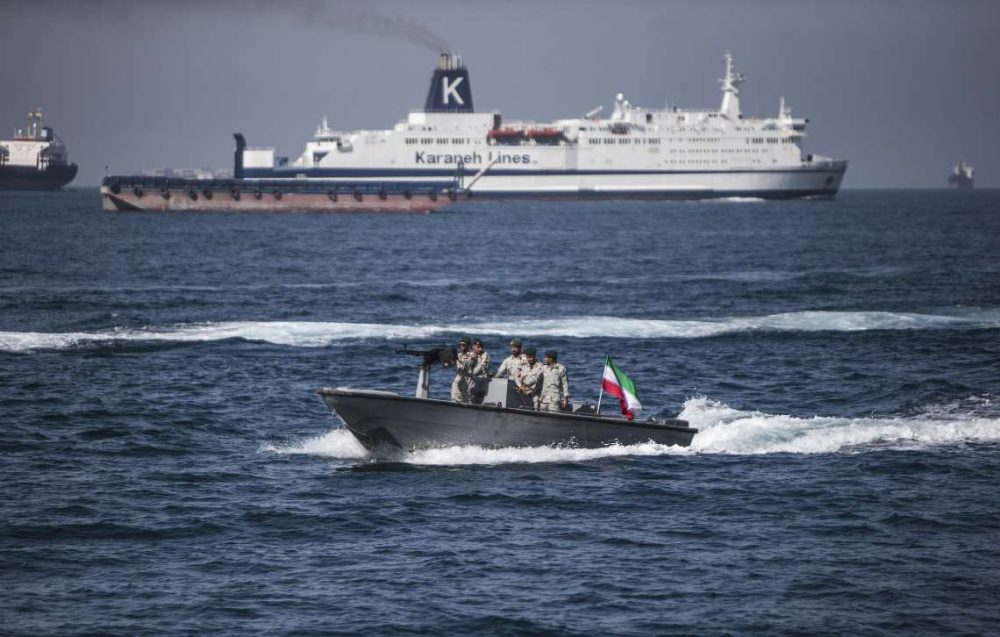
Guterres’ farewell address came as conflicts across the Middle East continued to spread, with fighting involving Israel, Gaza, Iran and armed groups operating around the Red Sea and other regional waterways.
He described peace and security as the first of four major tests of power facing the international community, alongside inequality, climate change and artificial intelligence.
“Peace is far more than the absence of conflict,” Guterres said. “It is the presence of restraint of power by law.”
He warned that the principle that force should not determine whose lives, rights and futures matter was under “profound strain”.
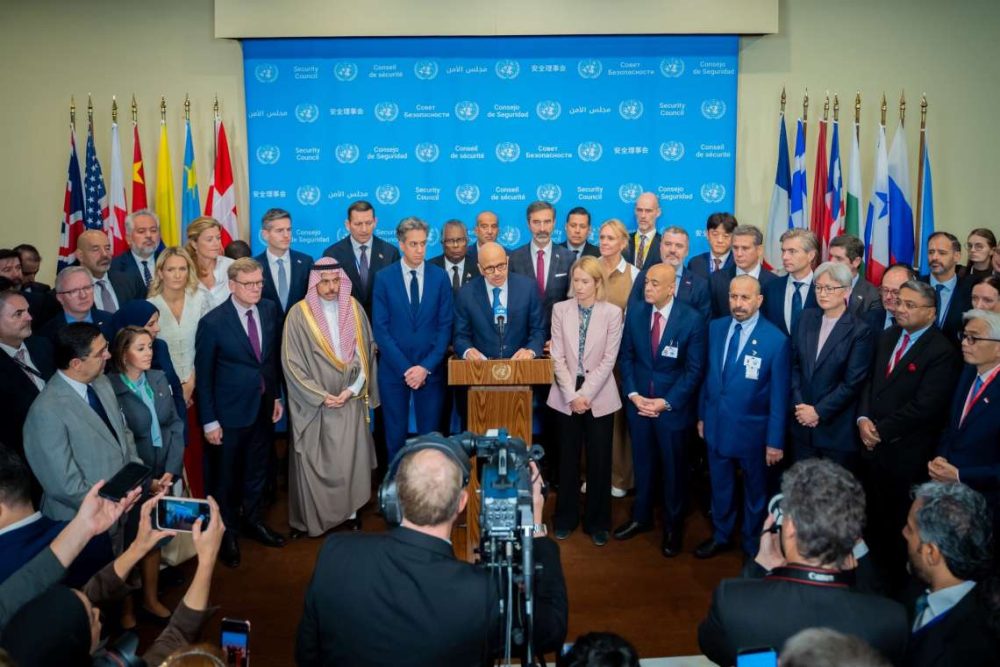
“Across the Middle East, conflicts are cascading,” he said, calling on leaders gathering in New York to use the UN General Assembly week for de-escalation and diplomacy.
“Enough is enough,” he said.
“I appeal to the leaders in this Chamber to maximize this High-Level week for de-escalation and dialogue.”
Guterres then issued a direct appeal over the continuing violence in the region.
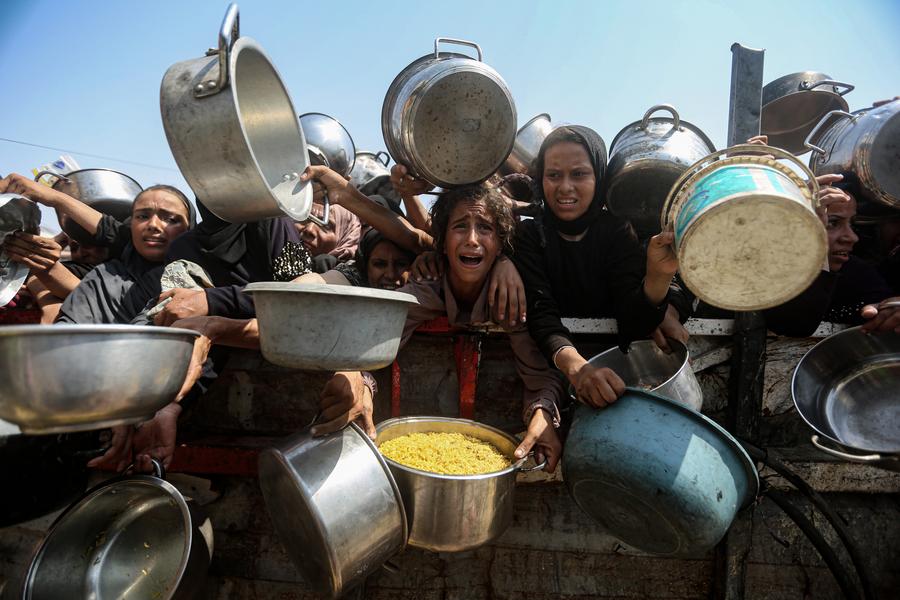
“The fighting must stop,” he said. “Humanitarian aid must flow. And navigational rights and freedoms must be fully restored in accordance with international law.”
His comments came as the Gaza conflict remained at the centre of international concern. Guterres said the devastation in Gaza had reached a scale unlike anything he had witnessed during his time as secretary-general.
He also warned that violence, displacement and settlement expansion in the occupied West Bank were undermining prospects for a political settlement.
“We cannot allow the two-State solution to disappear before our eyes,” he said.
Beyond the Middle East, Guterres argued that the international system itself was struggling to keep pace with the changing distribution of power.
He warned against what he called the “Great Fracture”, in which the world could divide into rival blocs with separate economic, technological and security systems.
Instead, he called for what he described as “networked multipolarity”, in which different centres of influence coexist within a common framework of international law and shared rules.
“A networked world recognizes that no power can solve today’s challenges alone,” he said.
Guterres also identified the transfer of power from governments to large corporations and individuals as a growing concern, alongside the increasing influence of artificial intelligence.
He said AI could help address global problems but could also deepen them if it developed without adequate accountability.
“The danger is not technology. The danger is technology without accountability,” he said, according to remarks reported from his final address.
He called for stronger safeguards around artificial intelligence and said life-and-death decisions should never be surrendered to machines. He also warned against the development of autonomous weapons capable of making lethal decisions.
Climate change, meanwhile, represented another major imbalance of power between generations, Guterres said, with the effects of today’s decisions increasingly being passed on to younger people and those yet to be born.
His broader message was that power must operate within rules rather than outside them.
“Will we act to ensure that power is governed by law or by force?” he asked. “By cooperation or coercion?”
He defended the UN Charter as the foundation for managing those tensions, arguing that international law, human rights and development were interconnected rather than competing priorities.
“There is no peace without development. No development without peace. And no peace or development without human rights,” he said.
After a decade as secretary-general, Guterres ended his address with a warning against equating power with the ability to dominate.
“The greatest power is not the power to dominate,” he said. “It is the power to build a future that works for everyone.”