The US is set to withdraw its remaining troops from Iraq, ending a 12-year military presence while shifting the anti-ISIS mission to Jordan…reports Asian Lite News Desk
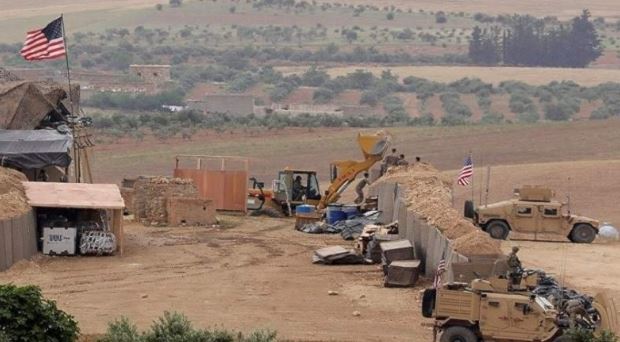
The United States is expected to complete the withdrawal of its remaining troops from Iraq on Wednesday, ending a 12-year military presence that began with the campaign against Islamic State (ISIS) militants, according to media reports.
The withdrawal follows an agreement reached between Washington and Baghdad under the Biden administration in 2024, which set September 30 as the deadline for ending the US-led coalition’s military mission in Iraq. The Trump administration has continued implementing the plan, ABC News reported.
The US first withdrew its forces from Iraq in 2011, bringing an eight-year military presence that began after the 2003 US-led invasion to an end.
American troops returned in 2014 after ISIS captured large areas of Iraq and Syria and advanced towards Baghdad. The US-led international coalition subsequently helped Iraqi forces reclaim territory from the militant group. Although ISIS was territorially defeated in Iraq in 2019, US troops remained to support Iraqi security forces and help prevent the group from rebuilding.
In recent months, the US military has consolidated its remaining positions, particularly in northern Iraq, while reducing its presence in Erbil. ABC News reported that only a small number of American personnel remained in northern Iraq ahead of the final deadline.
The Washington Post reported that about 1,500 US and coalition personnel had recently remained in Iraq as the military presence was scaled back.
US mission shifts to Jordan
The withdrawal does not mark the end of the US-led campaign against ISIS in the region.
According to the Washington Post, remaining US forces are being relocated to Jordan, which will become the headquarters for the continuing mission against Islamic State militants.
The Pentagon has maintained that forces operating from Jordan will retain the ability to conduct operations against militants who pose a threat to US personnel and American interests.
The redeployment comes against a changed regional security backdrop following the recent US conflict with Iran. Iraq maintains close political, cultural and military ties with Tehran, while Iran-backed Shiite armed groups remain influential inside the country.
The US departure also places renewed attention on the Iraqi government’s efforts to bring armed groups under greater state control.
Iran-backed militias have resisted calls to disarm, with the deadline for their disarmament reportedly extended until June 2027.
Iraq prepares to mark US departure
Iraq is expected to mark the end of the US military presence with four “Sovereignty Days”, according to Al Jazeera, reflecting the political significance attached to the withdrawal.
Prime Minister Ali al-Zaidi has linked the departure to efforts to strengthen the authority of the Iraqi state and ensure that decisions involving war and peace remain under government control.
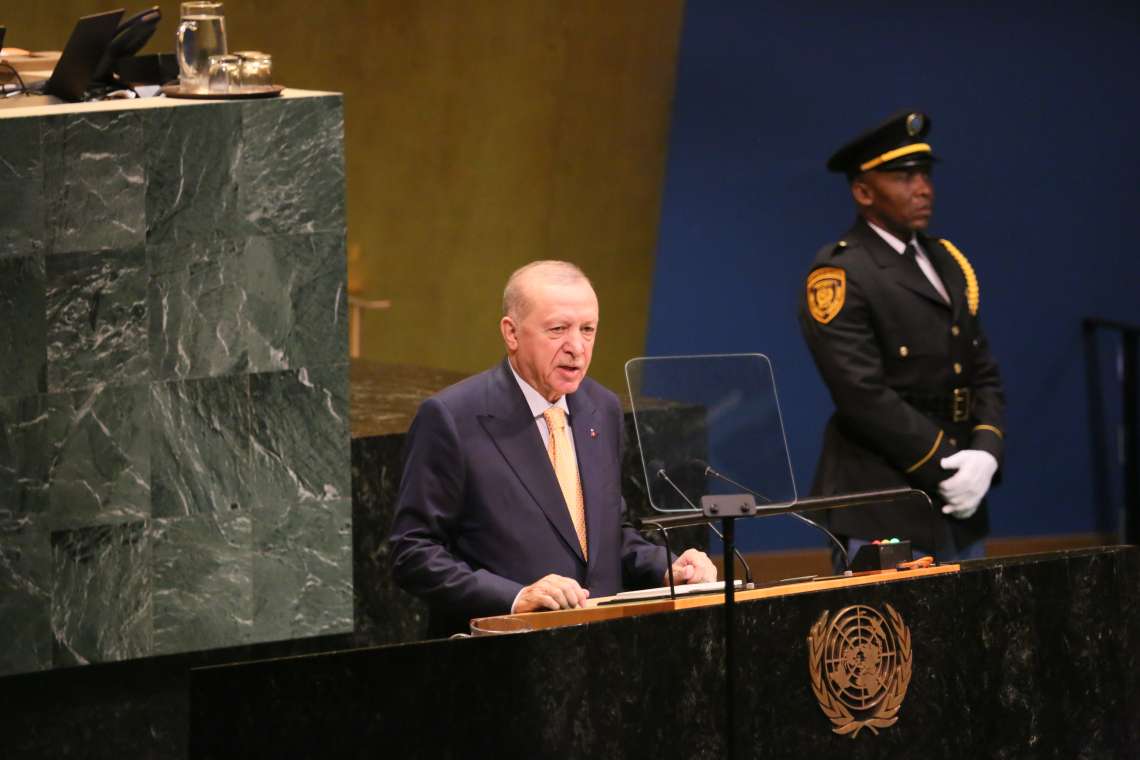
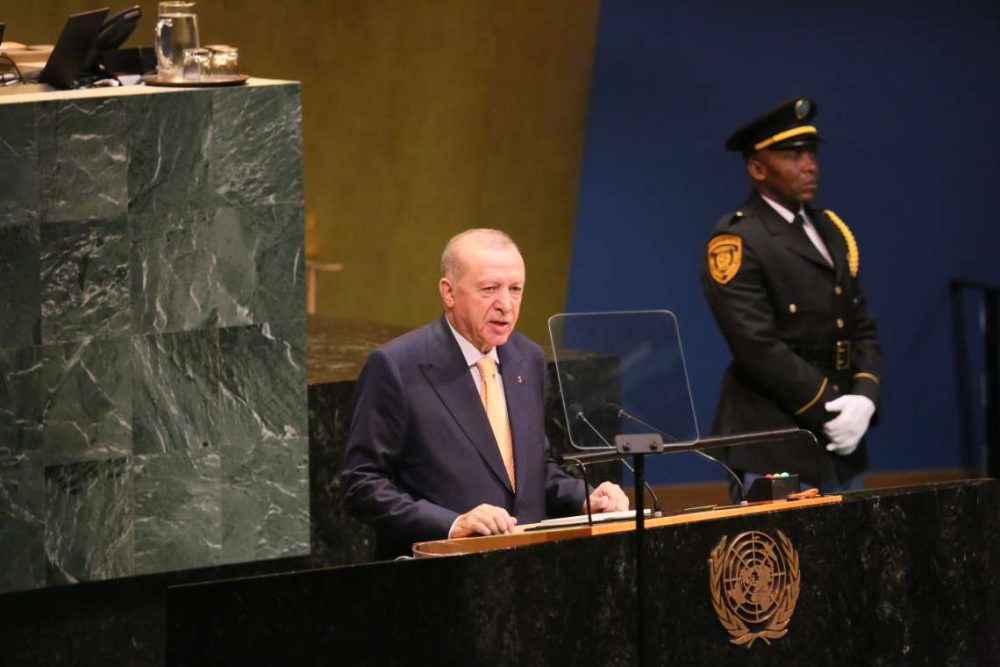
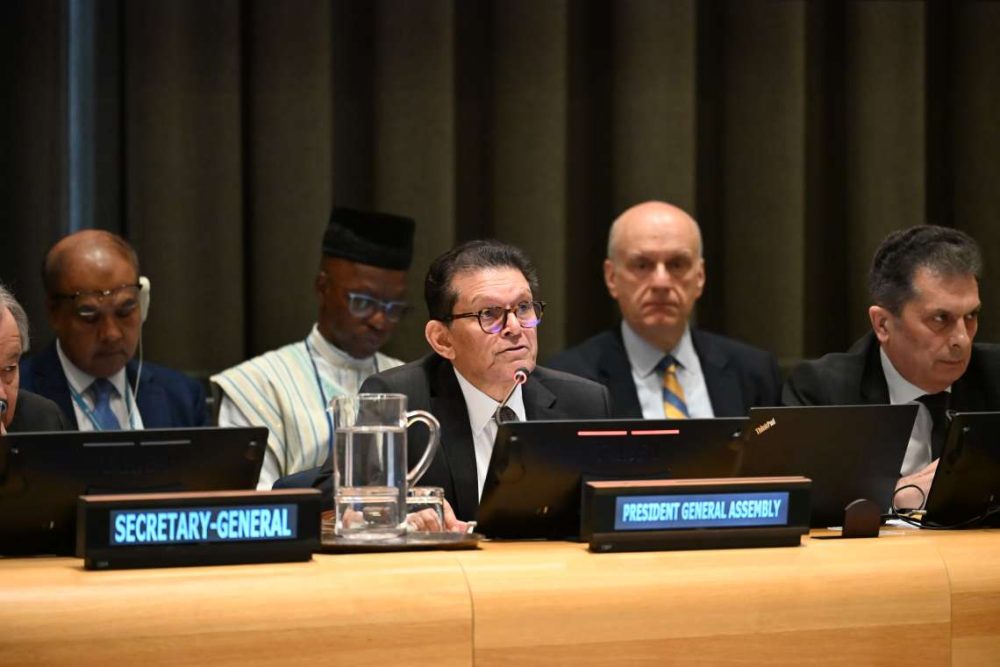
Addressing the United Nations General Assembly last week, al-Zaidi said his government was “striving to ensure that the state is the ultimate decision-maker in matters of peace and war”.
The planned withdrawal will mark the second time the US has ended its military presence in Iraq.
The first came in 2011, but the rapid expansion of ISIS three years later prompted Washington to return troops as part of an international campaign to support Iraqi forces against the militant organisation.