From a young volunteer in Lisbon to the UN’s top diplomat, António Guterres’ journey has been shaped by politics, refugees, war and a belief in human solidarity….reports Asian Lite News Desk
António Guterres has spent much of his life at the intersection of war, poverty, displacement and politics. As Secretary-General of the United Nations, he has found himself at the centre of some of the world’s most difficult crises, speaking for an international system increasingly tested by conflict, inequality, climate change and geopolitical rivalry.
From Gaza and Ukraine to Sudan and the wider refugee crisis, Guterres has repeatedly found himself confronting the consequences of decisions made by governments far removed from the people who ultimately bear their cost.
But his understanding of those consequences did not begin at the United Nations.
It began in Lisbon.
Guterres was born and raised in Portugal during the Estado Novo dictatorship, a period when political freedoms were restricted and opposition to the regime was tightly controlled. As a young man, he became involved in Catholic youth organisations and volunteer work, experiences that brought him into contact with people living in some of Lisbon’s poorest neighbourhoods.
The young Guterres had initially imagined a very different future. He studied physics and engineering and was interested in science. Yet his encounters with poverty and inequality gradually drew him towards social and political questions.
Working among disadvantaged communities exposed him to realities that were difficult to understand from the classroom alone. It was an experience that would remain with him throughout his political and international career.
He became increasingly involved in opposition to Portugal’s dictatorship. Then, in 1974, the Carnation Revolution transformed the country.
The peaceful military-led revolution brought an end to decades of authoritarian rule and opened the way for democracy. For Guterres, it was not simply a political turning point for Portugal but the beginning of a new chapter in his own life.
He entered politics and became a leading figure in the Portuguese Socialist Party. His political career eventually took him to the country’s highest office, when he became prime minister in 1995.
But politics also brought him face to face with the complicated legacy of Portugal’s colonial past.
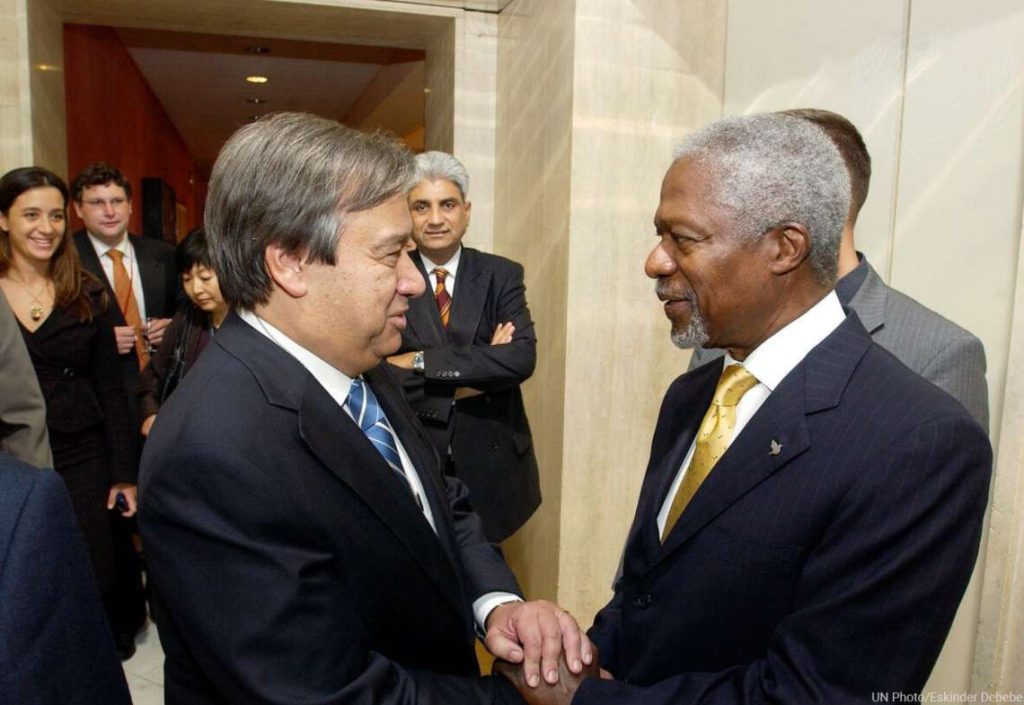
The decolonisation of Portugal’s former territories had left behind political, humanitarian and diplomatic challenges. Among the most difficult was East Timor, where the struggle for independence became a major international issue.
Guterres’ involvement in the issue helped reinforce his belief that international politics could not simply be separated from the lives of ordinary people. Questions of sovereignty, diplomacy and international law had direct consequences for communities living through conflict and uncertainty.
His move from Portuguese politics to the international stage came through another defining chapter: refugees.
In 2005, Guterres became United Nations High Commissioner for Refugees. The position took him away from domestic politics and into some of the world’s most difficult humanitarian crises.
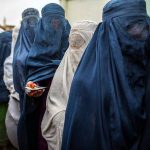
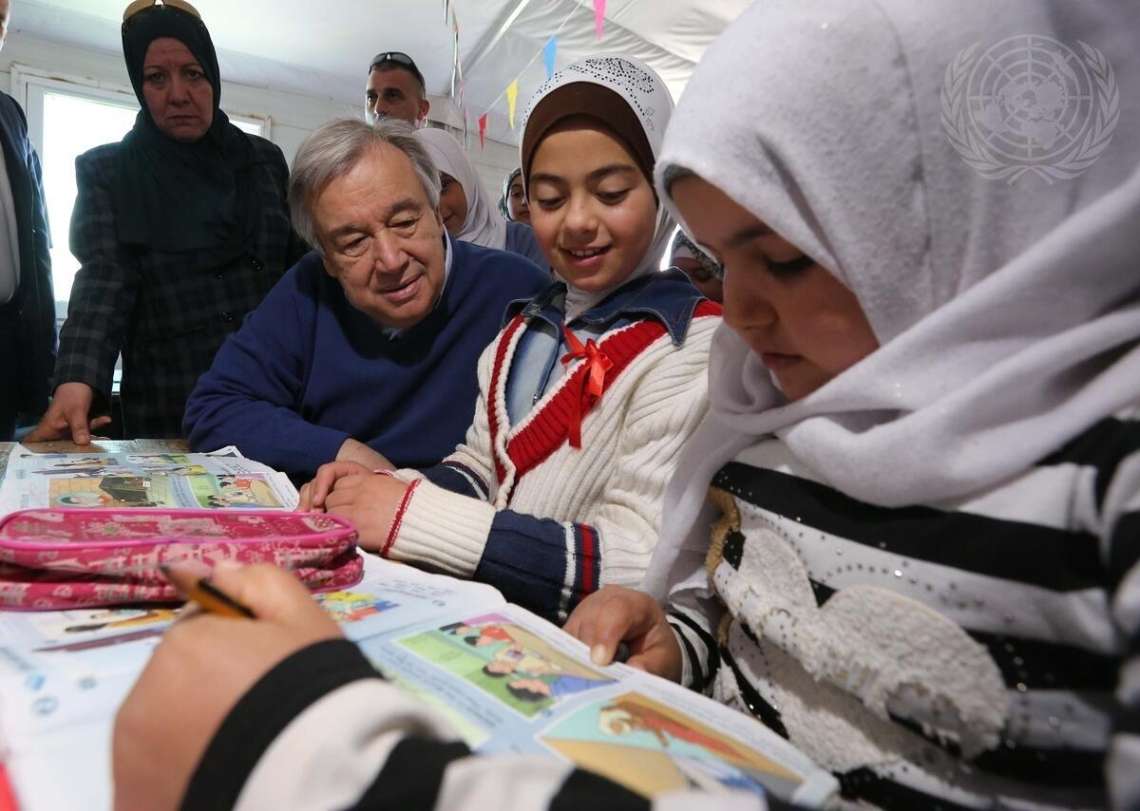
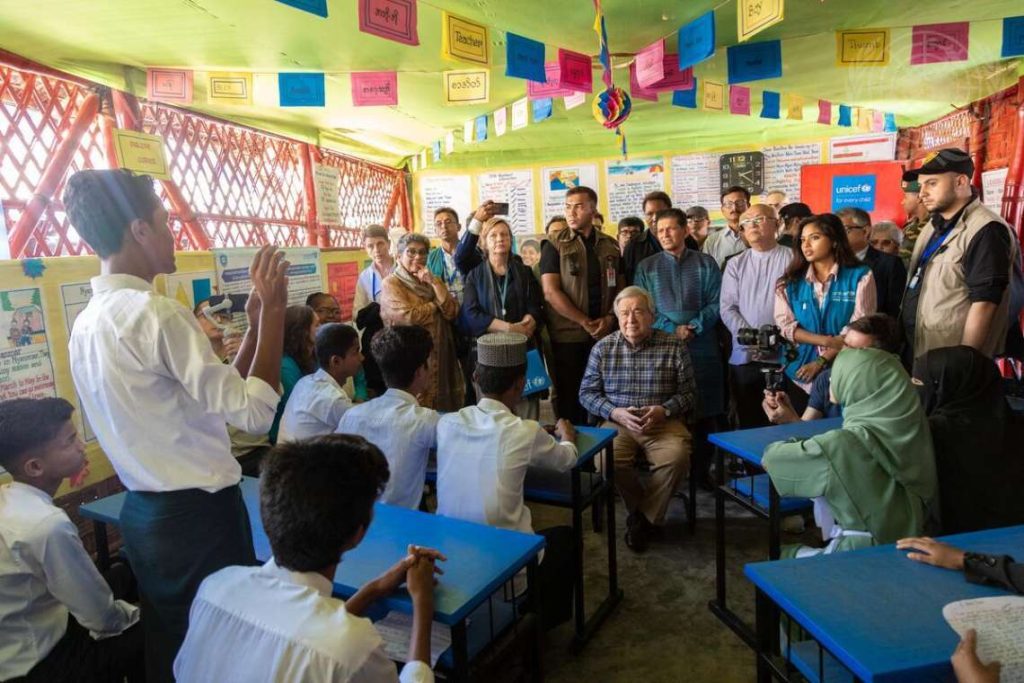
He travelled to refugee camps and conflict-affected regions, meeting people who had lost homes, family members and livelihoods. The experiences brought a human dimension to the statistics that often dominate discussions about displacement.
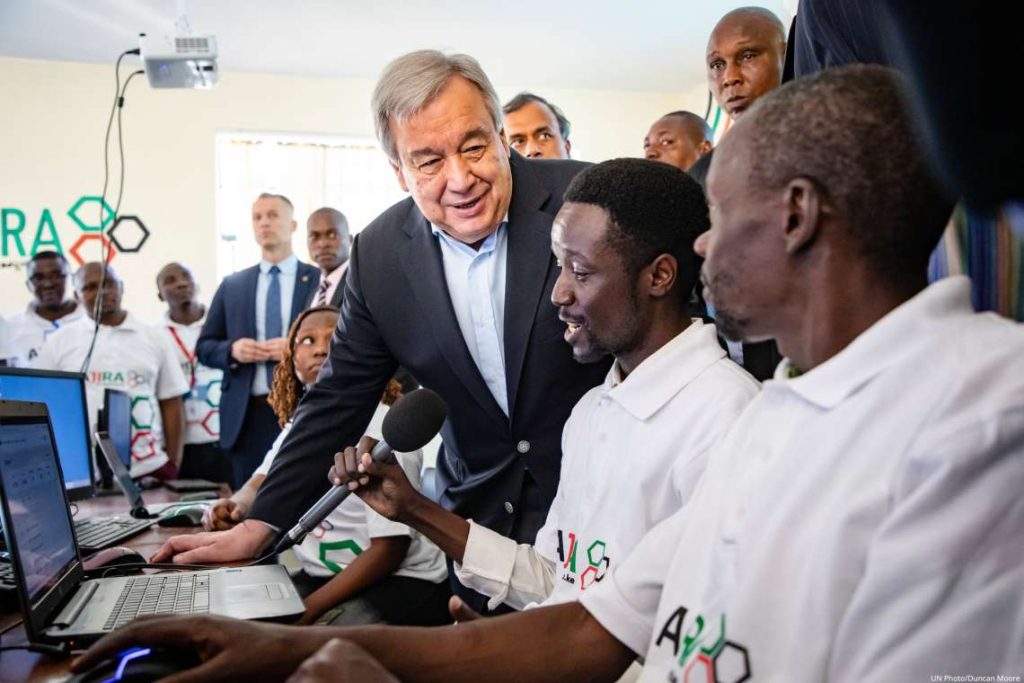
Millions of people can be reduced to figures in reports. A refugee camp can become a location on a map. But for Guterres, encounters with displaced people repeatedly demonstrated that behind every statistic was a person whose life had been transformed by war.
His years at UNHCR also exposed him to the politics surrounding displacement. Refugees were not simply victims of conflict. Their futures depended on decisions taken by governments, international organisations and communities receiving them.
The experience helped shape the worldview he would later bring to the United Nations.
“You have no peace if you have no development, if you do not fight inequality,” Guterres said, reflecting a belief that conflict cannot be addressed without confronting the conditions that help produce instability.
His work with refugees also brought him into contact with people from different religious and cultural backgrounds. Rather than seeing those differences as barriers, he increasingly presented diversity and coexistence as central to international cooperation.
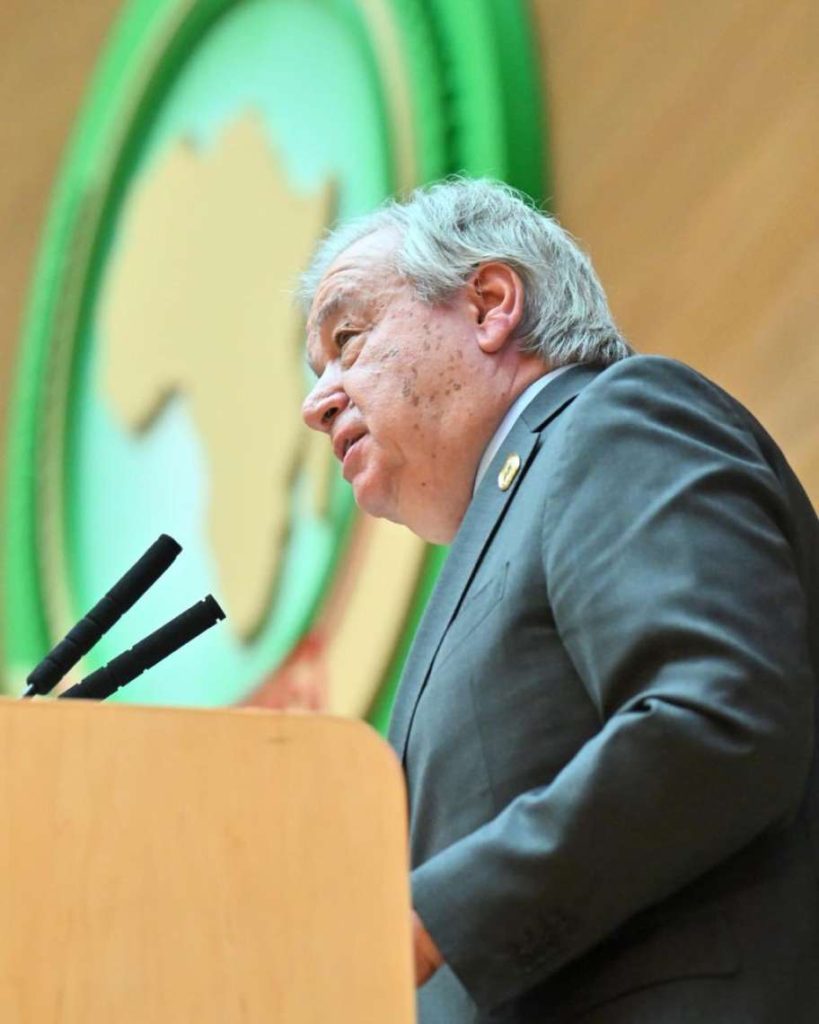
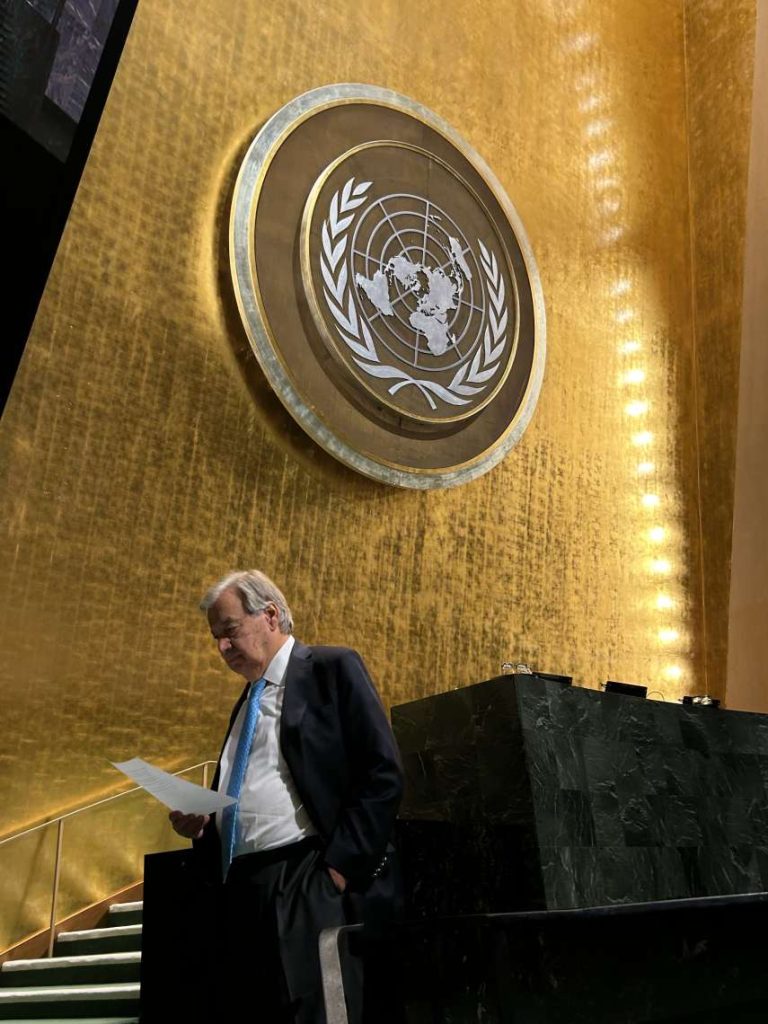
When Guterres was chosen as UN Secretary-General, he inherited an institution facing enormous challenges.
He took office in January 2017, succeeding Ban Ki-moon. The Secretary-General has no army and cannot simply order governments to end wars. The position instead depends heavily on diplomacy, persuasion, mediation and the ability to bring countries together.
That limitation has defined much of Guterres’ tenure.
He has repeatedly found himself trying to maintain dialogue between countries whose interests are sharply opposed. At times, his role has been that of mediator. At others, he has acted as the international community’s most prominent humanitarian voice.
War has remained one of the defining features of his tenure.
The conflict in Ukraine, the war in Gaza, the continuing instability across parts of Africa and the Middle East, and a succession of humanitarian emergencies have placed enormous demands on the United Nations.
Each crisis has presented the same fundamental question: what can the international community do when political divisions prevent collective action?
For Guterres, international law has been a central part of the answer.
He has repeatedly defended the importance of international rules at a time when military power and geopolitical rivalry increasingly shape relations between states.
“A world without international law is a world of chaos,” he has said.
The phrase captures one of the central tensions of his role. The UN was created to prevent another global catastrophe and provide a framework for countries to resolve disputes peacefully. Yet the organisation remains dependent on the willingness of its member states to cooperate.
The Security Council, in particular, has often struggled to act when its permanent members are divided.
Guterres has nevertheless continued to argue that international institutions remain essential, even when they appear incapable of resolving every crisis.
His approach to Gaza has similarly placed humanitarian concerns at the centre of his public role. He has called for the protection of civilians, humanitarian access and respect for international law, while repeatedly warning about the wider consequences of prolonged conflict.
The crisis has also illustrated the limits of the UN system. The Secretary-General can appeal, negotiate and warn, but the organisation cannot independently impose peace on parties unwilling to accept it.
That reality has followed Guterres throughout his tenure.
The same tension can be seen in Africa, where conflicts in Sudan, South Sudan, the Democratic Republic of Congo and elsewhere have produced humanitarian emergencies alongside complex political disputes.
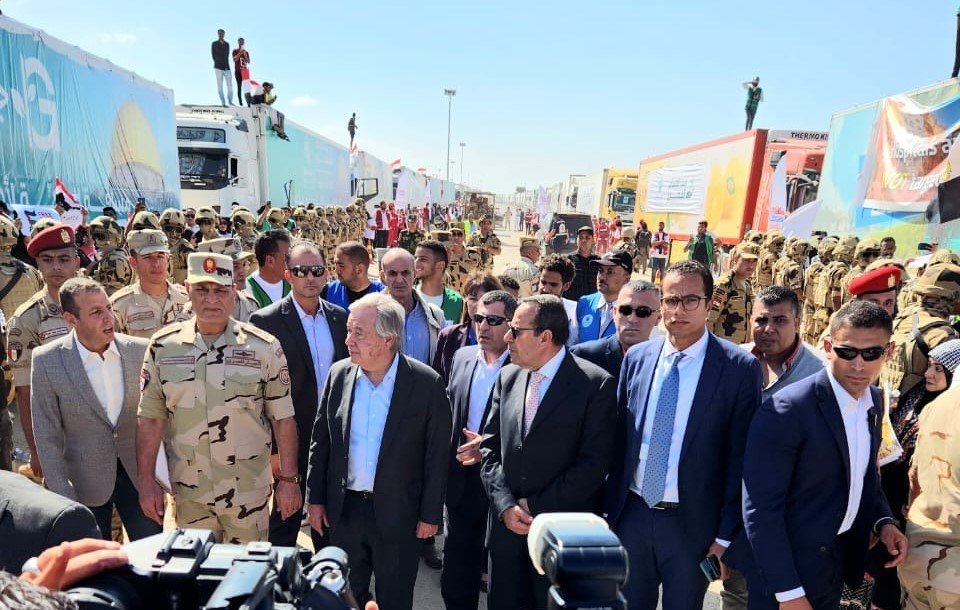
Guterres has consistently emphasised the need for African-led solutions while supporting international humanitarian and diplomatic efforts.
His experience with refugees has made displacement another defining issue.
Wars do not end when the fighting stops. People must return home, rebuild communities and regain access to basic services. Where return is impossible, countries must find ways to support those who have been forced to flee.
The refugee crisis has therefore remained closely connected to another of Guterres’ long-standing concerns: inequality.
For him, poverty and exclusion are not merely social problems. They can contribute to instability and deepen divisions within societies.
This belief can be traced back to his youth in Lisbon, when he volunteered among communities living in poverty.
The distance between that young volunteer and the UN Secretary-General may appear enormous. Yet there is a clear thread connecting the two.
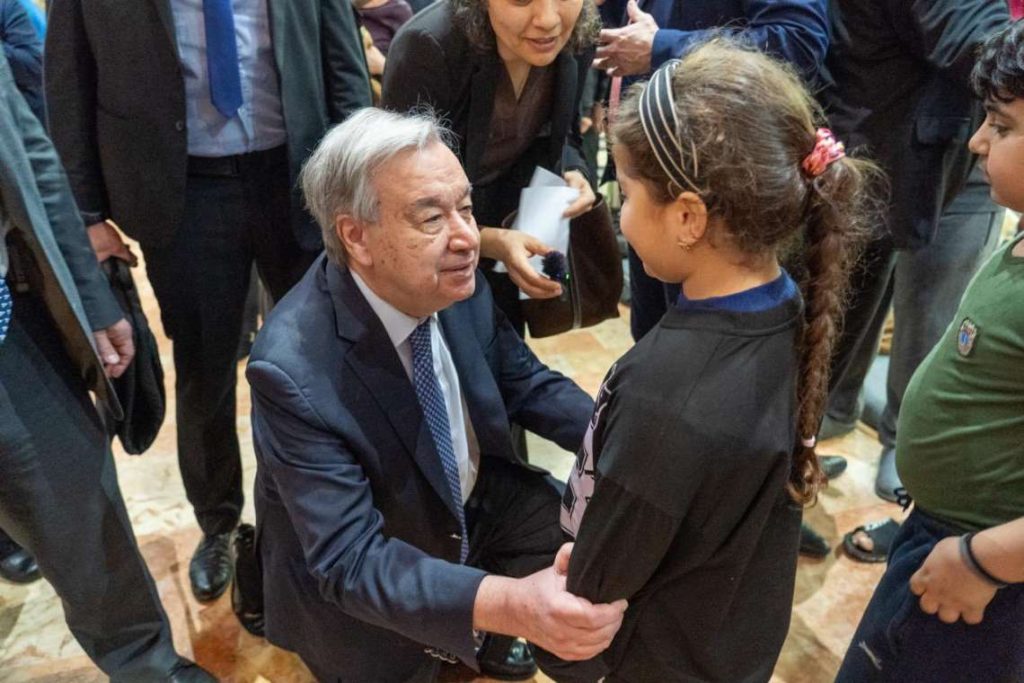
The young Guterres saw inequality at close range. The international diplomat later saw its consequences across borders.
Climate change has added another dimension to that challenge.
As Secretary-General, Guterres has made climate action one of the major priorities of his tenure, warning that rising temperatures, environmental degradation and extreme weather threaten development and can intensify existing inequalities.
For countries already struggling with poverty, conflict or weak infrastructure, the effects of climate change can be particularly severe.
Once again, Guterres has presented the issue as one that cannot be solved by individual countries acting alone.
Climate change, like war and displacement, crosses borders.
The same is increasingly true of another issue that has emerged rapidly during his tenure: artificial intelligence.
AI has created opportunities in science, medicine, education and economic development, but it has also raised questions about security, misinformation, employment and the concentration of technological power.
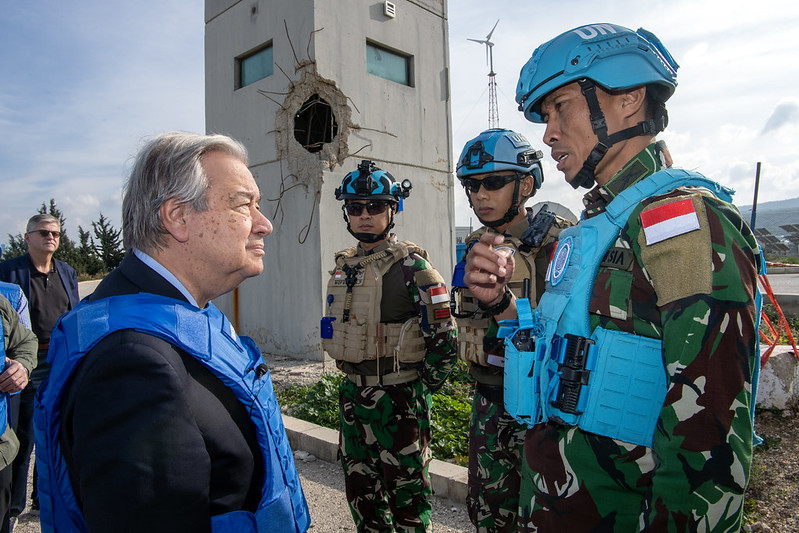
Guterres has argued that the international community needs to develop ways of managing the technology collectively rather than allowing its future to be determined entirely by governments or private companies.
It is another example of the challenge that has defined his time at the UN: global problems require cooperation, while the international system itself is increasingly divided.
Behind the political arguments and diplomatic negotiations is also a deeply personal story.
Guterres experienced the death of his first wife, Zizas, an event that left a lasting mark on him. Personal loss gave him another perspective on grief, although he has generally kept much of his private life away from the public stage.
His professional life, meanwhile, continued to revolve around people confronting loss on a much larger scale.
In refugee camps, he met families separated by conflict. In war zones, he saw communities destroyed. At the United Nations, he encountered governments struggling to reconcile national interests with international responsibilities.
Those experiences have helped shape the language he uses when speaking about humanitarian crises.
Rather than treating displacement simply as a security or migration issue, he has often framed it as a question of human dignity.
That emphasis has also informed his approach to migration. He has argued that orderly and safe migration can benefit societies while condemning xenophobia and discrimination against migrants and refugees.
His own journey has made the issue particularly significant.
Guterres moved from national politics to an international humanitarian role before becoming the world’s most senior international diplomat. Each stage brought him closer to people whose lives were being shaped by forces beyond their control.
The Secretary-General’s office is ultimately an unusual position of power and limitation. Its occupant can speak to almost every major international crisis but cannot independently resolve them.
Guterres has therefore relied heavily on the power of persuasion.
He has appealed to governments to negotiate, urged warring parties to respect international law and called on wealthy countries to support poorer nations facing climate and humanitarian pressures.
Sometimes those appeals have produced agreements. At other times, they have collided with geopolitical realities.
Yet the challenges have not changed his belief that diplomacy remains necessary.
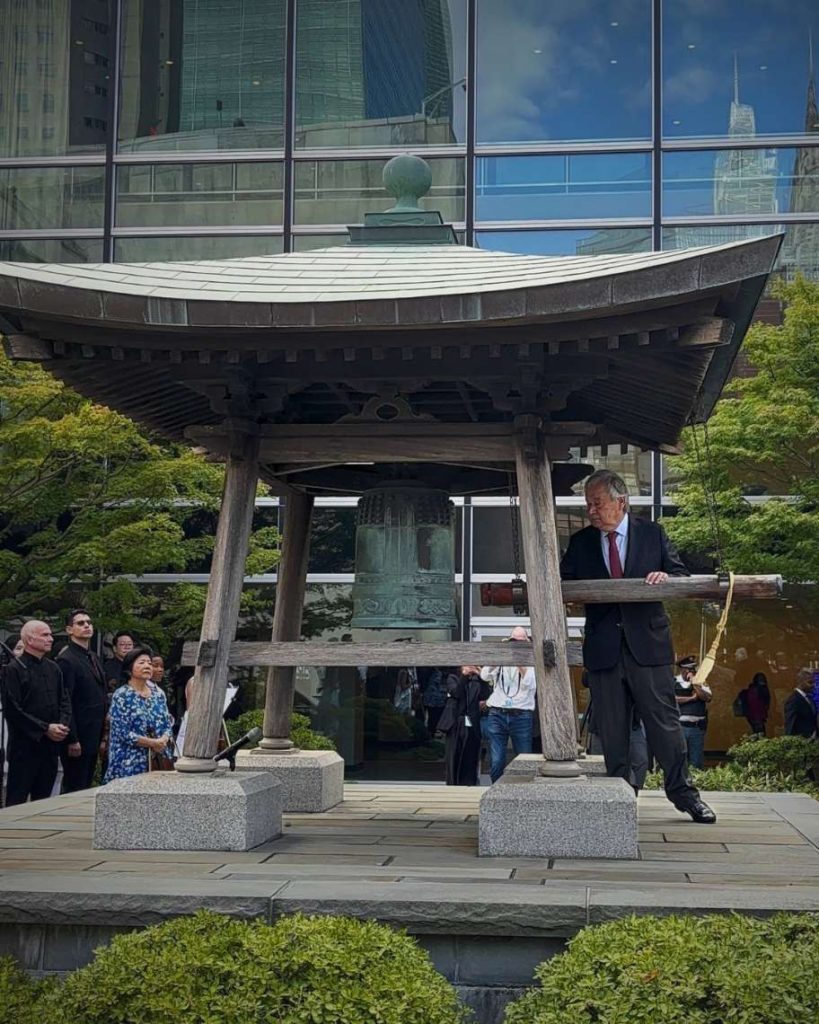
That belief is rooted partly in his experience of Portugal’s transition from dictatorship to democracy. A country that once appeared locked into an authoritarian system was transformed through political change.
His career has therefore been marked by an enduring faith in the possibility of change, even when circumstances appear deeply entrenched.
As his time as UN Secretary-General moves towards its conclusion, Guterres leaves behind a career that has crossed several worlds: science, activism, Portuguese politics, refugee protection and global diplomacy.
The issues confronting him have changed, but the underlying questions have remained familiar.
How should societies respond to inequality? What responsibility does the international community have towards people forced from their homes? How can conflicts be prevented before they become wars? And what happens when international institutions are unable to act collectively?
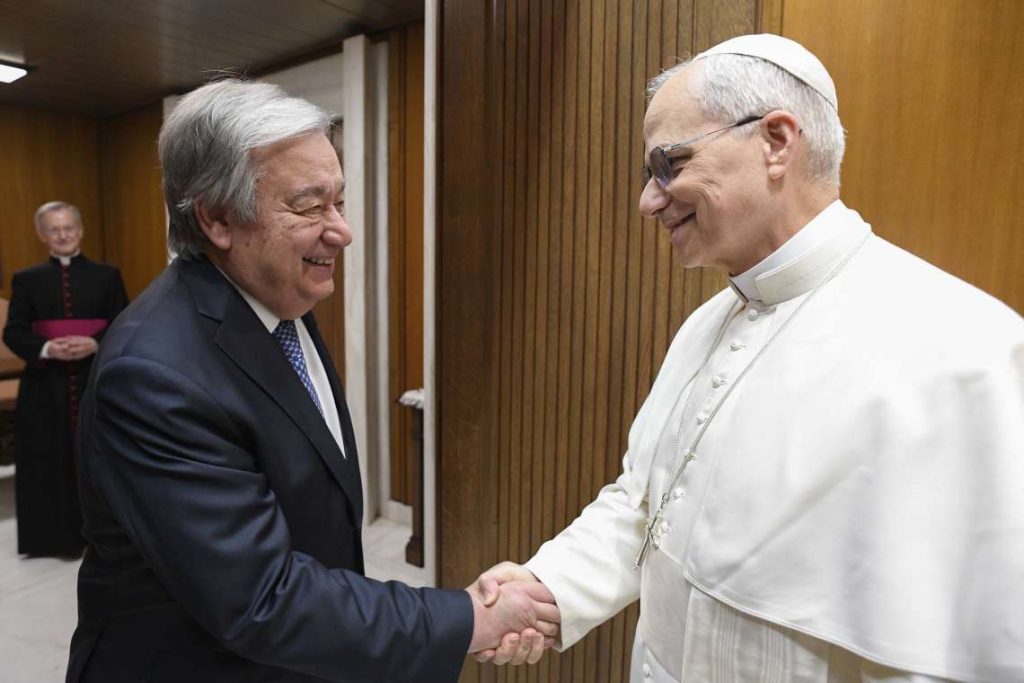
Guterres has spent decades wrestling with those questions.
His journey from the poorer neighbourhoods of Lisbon to the centre of global diplomacy offers a portrait of a leader shaped as much by human encounters as by political office.
He has seen the consequences of conflict from refugee camps and UN offices, negotiated with governments and spoken to people who have lost almost everything.
That experience has left him with an outlook that remains surprisingly hopeful despite the crises surrounding his office.
“I’m hopeful about people,” he has said.
It is perhaps the simplest way to understand the thread running through his career.
Guterres has witnessed war, displacement, political failure and personal loss. Yet he has continued to argue that cooperation is possible and that international institutions, however imperfect, remain necessary.
At a time when countries are increasingly divided and global challenges are becoming harder to contain within national borders, that belief has remained at the heart of his public life.
From Lisbon’s streets to refugee camps and the corridors of the United Nations, António Guterres has spent decades confronting the human consequences of decisions made far beyond the reach of those affected by them.
His story is ultimately not only about the office he occupies, but about the experiences that brought him there.
And at the centre of it is a belief that has followed him from his youth into global diplomacy: that people, rather than power alone, must remain at the heart of international affairs.
“We, the Peoples.”