Six weeks after Nepal’s devastating floods killed at least 1,400 people, communities are struggling to recover, with nearly 5,300 people still missing…reports Asian Lite News Desk
Six weeks after devastating floods struck Nepal, communities are still struggling to rebuild their lives, with thousands of people missing and families facing disrupted livelihoods, damaged infrastructure and psychological trauma. The UN Children’s Fund (UNICEF) has called for sustained international support, warning that rising temperatures in the Himalayas are increasing the risk of future disasters.
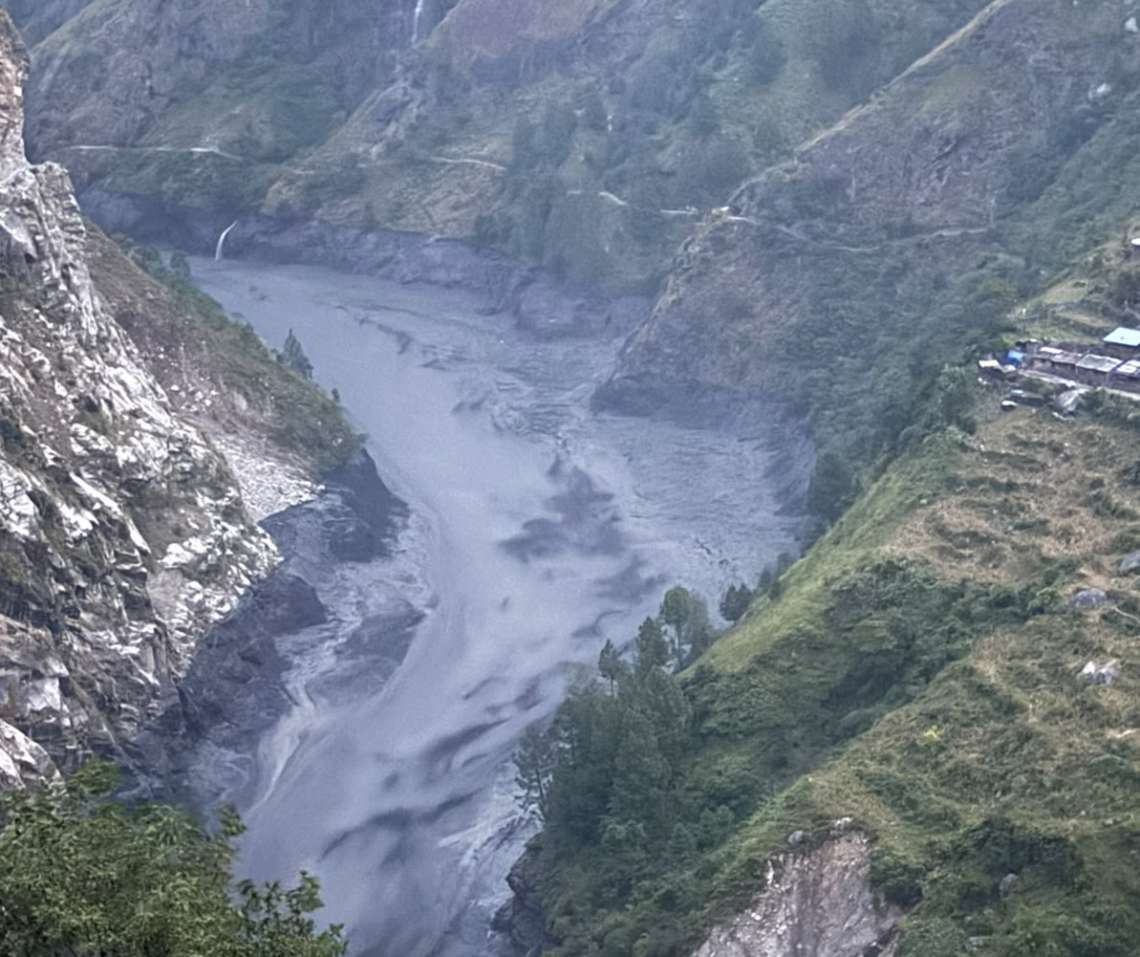
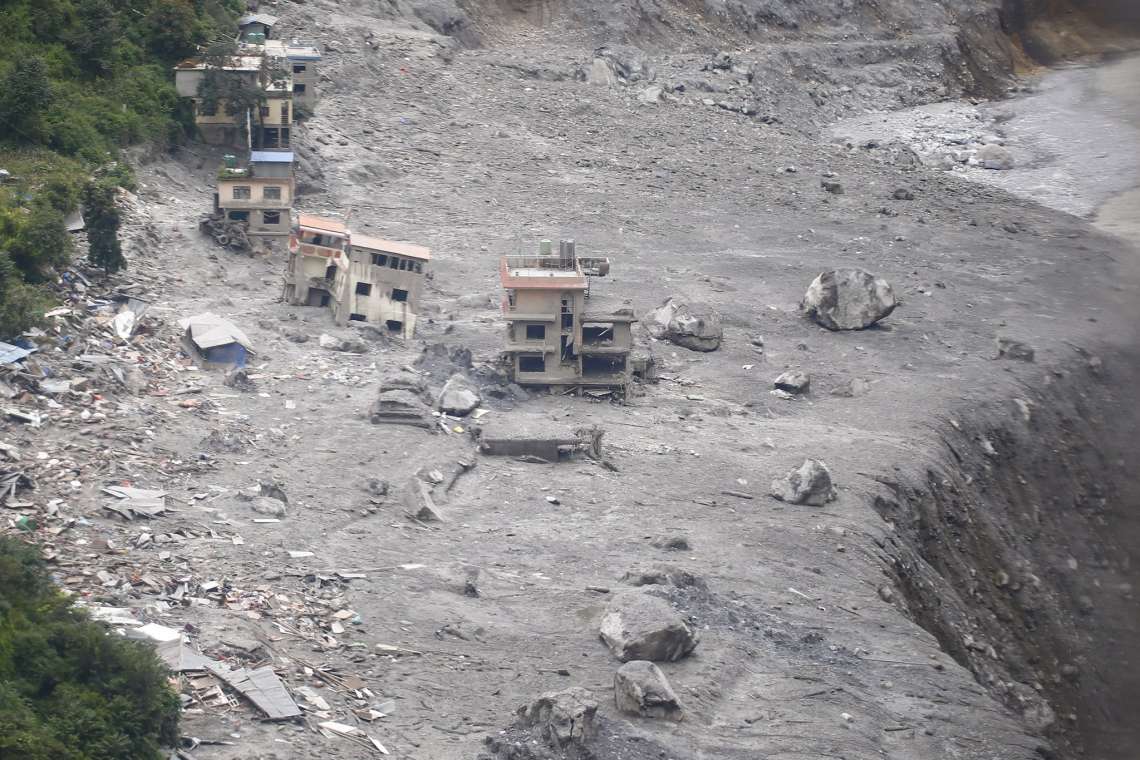
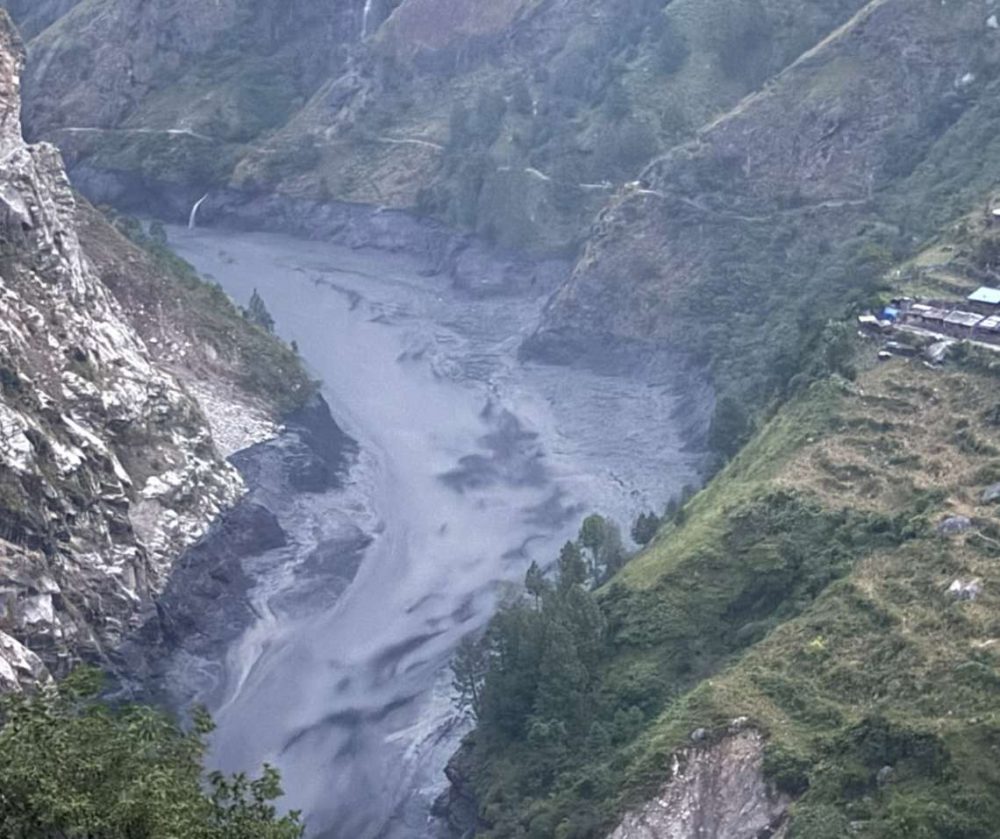
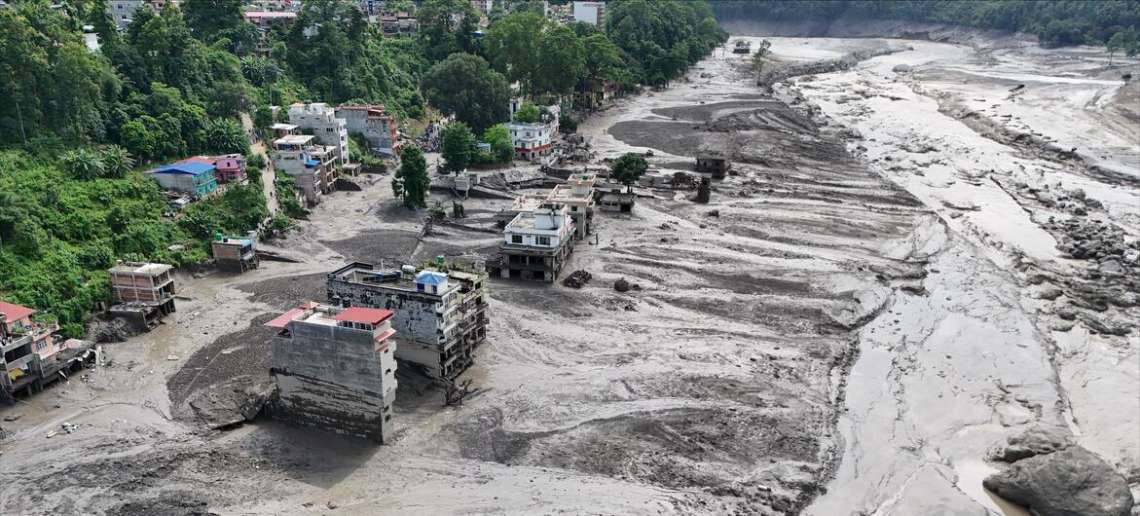
At least 1,400 people, including 84 children, were killed and nearly 5,300 people remained missing after a mass of glacial ice and rock collapsed into the Bhotekoshi, Upper Trishuli and Narayani-Gandak rivers in late August, triggering torrents that swept away homes and bridges.
How are Nepal’s flood-hit communities coping?
In an update from Kathmandu on Friday, UNICEF spokesperson James Elder described the lasting trauma experienced by children and families affected by the disaster.
He recounted the experience of 16-year-old Sahara, whom he met at a technical training programme supported by the agency. Her mother was swept away and killed in the floods.
“It’s not nice to live without a mum,” Sahara told Elder through tears.
Elder said parts of affected towns and villages now resembled war zones, while access to some communities in Rasuwa district remained difficult.
Caroline Holt, director for disasters, climate and crises at the International Federation of Red Cross and Red Crescent Societies (IFRC), said isolated communities continued to receive relief supplies by air.
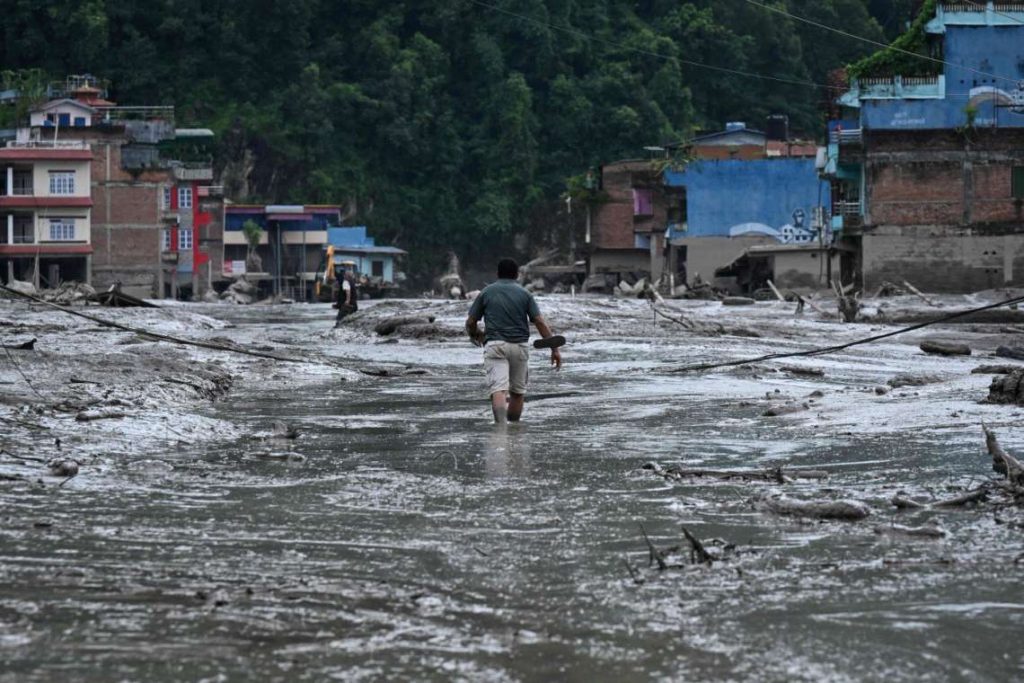
“In the hardest-hit locations, families face disrupted markets, higher transport costs and shortages of essential goods as roads and communications are gradually restored,” she said.
Holt stressed that people needed more than emergency assistance, including confidence in their future, clarity about where they could live and earn an income, and the prospect of their children returning to school.
Among those requiring urgent assistance are Shushila and her husband, Jivan, whose home and businesses were destroyed when floodwaters more than two metres high surged through their property.
The couple lost their tailoring shop and tea store and escaped with only the clothes they were wearing.
“They escaped with the clothes they were wearing, and nothing else,” Elder said.
Shushila told him: “Maybe it would have been better if we weren’t able to escape.”
Elder described the remark as an indication of the severe stress and trauma caused by the disaster. UNICEF has provided the family with cash assistance, which they used to prioritise their children’s needs, including books, stationery and clothes.
Why is UNICEF calling for more climate support?
Elder warned that the disaster highlighted the growing risks facing communities in the Himalayas as global temperatures rise.
He said the Himalayas were warming about twice as fast as the global average, increasing the urgency of international support for vulnerable countries such as Nepal.
Nepal accounts for just 0.1 per cent of global greenhouse gas emissions, according to Elder, despite facing significant risks from climate-related disasters.
He welcomed commitments by countries under the UN Framework Convention on Climate Change (UNFCCC) to avert, minimise and address loss and damage caused by climate change. However, he said those commitments needed to translate quickly into practical assistance for affected families.
The appeal comes ahead of the UN climate summit, COP31, scheduled to take place in Antalya, Türkiye, from 9 to 20 November.
“Unless the world acts to reduce climate risks, we will keep returning to the same valleys after the next flood and after the next landslide, and yet again find children paying the highest price. This is true in Nepal, across Asia, across the Pacific and around the world,” Elder said.
UNICEF and the IFRC have emphasised the need for sustained assistance to help affected communities recover, restore livelihoods and prepare for future disasters as Nepal continues to deal with the aftermath of the devastating floods.