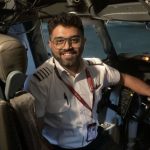
Flydubai captain Smit Machchhar recounts surviving a co-pilot’s cockpit attack as the aircraft plunged 17,000 feet, prompting passengers and crew to intervene…reports London Daily News Desk
Captain Smit Machchhar says he suffered repeated blows to the head before managing to open the cockpit door, allowing passengers and crew to intervene and avert a potential disaster.
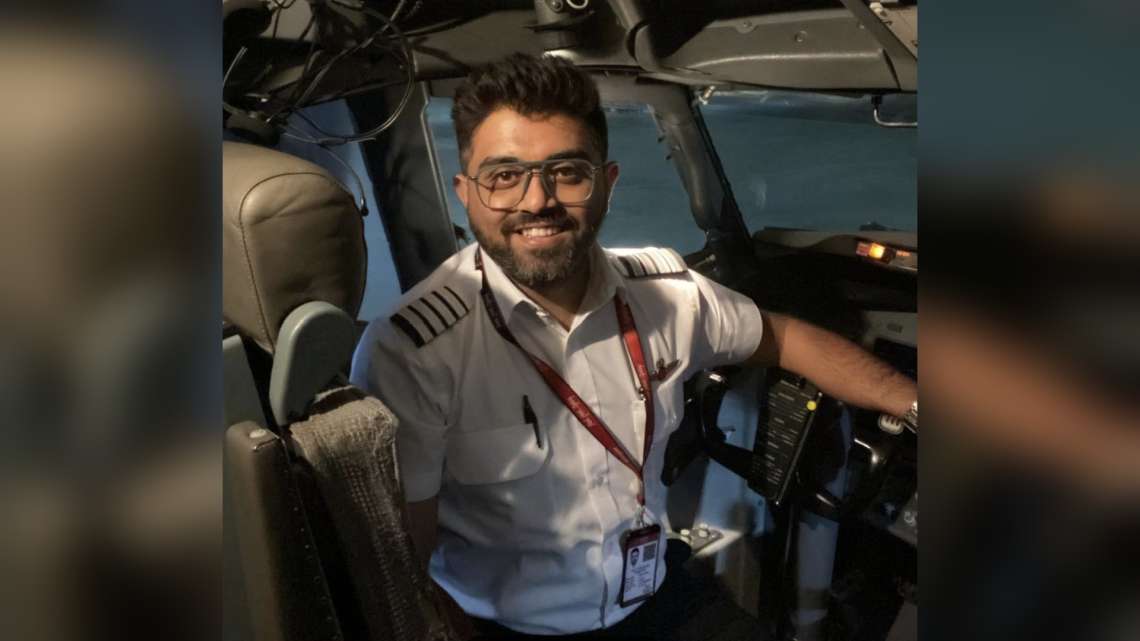
Captain Smit Machchhar, the pilot who helped avert a potential aviation disaster after being attacked by his co-pilot aboard a Flydubai flight, has recalled the terrifying moments inside the cockpit, revealing that he suffered repeated blows to the head before managing to open the door.
In an interview with UAE newspaper The National, Machchhar said his vision narrowed as the assault continued, leaving him struggling to identify what was happening around him. He managed to reach the cockpit door control and call for help before losing consciousness and falling face down inside the cockpit.
The incident occurred on September 30, when his Omani co-pilot, Hamam al-Hammami, allegedly attacked him in what was described as an attempt to bring down the aircraft.
Recalling the first blows, Machchhar said he initially thought something had gone wrong with the aircraft’s structure.
“The first time when I was hit … my thought was something’s gone horribly wrong with the aircraft structure, which has fallen on my head,” he told The National.
He said he soon realised that the person attacking him was his fellow pilot, someone he had expected to work alongside as part of the flight crew.
His immediate response was to free himself from his seat belt and try to shield his head from the blows.
“My vision … it was so narrow. I lost a lot. I was just looking (at) outlines,” he said, describing the impact of the assault.
Machchhar said he reached for the knob that opened the cockpit door while shouting for his colleagues. He believes he lost consciousness as he fell forward inside the cockpit.
Engines powering down was the scariest moment
As the aircraft plunged 17,000 feet, Machchhar said the sound of the engines powering down was among the most frightening aspects of the ordeal.
“The scariest thing that I heard and felt was the engines spooling down,” he said.
His efforts to open the cockpit door enabled passengers and off-duty crew members to enter and restrain the co-pilot. The incident also prompted the transmission of a hijacking distress signal.
The aircraft was subsequently diverted and made an emergency landing in Tabuk, Saudi Arabia. All 180 people on board disembarked without injury.
The intervention of those on board helped prevent the confrontation from escalating into a potential catastrophe, with Machchhar’s actions playing a crucial role in allowing others to reach the cockpit.
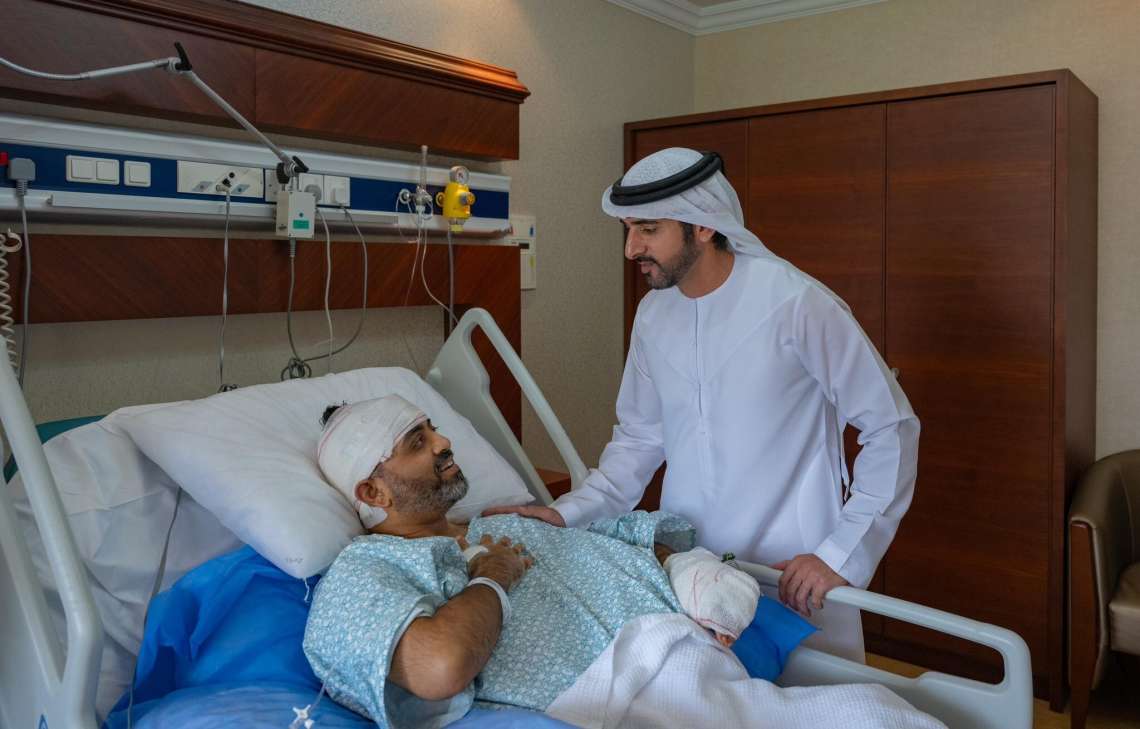
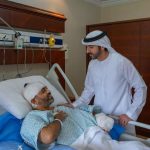
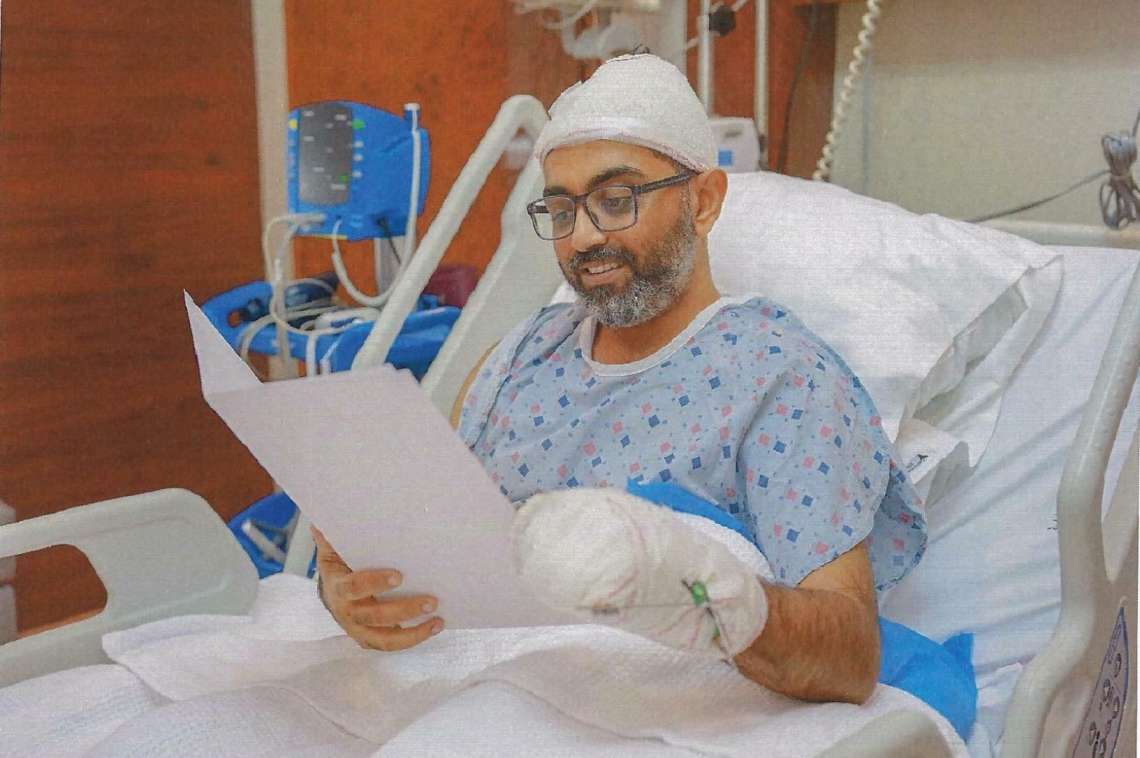
Machchhar, who is recovering at Zayed Military Hospital in Abu Dhabi, said he had not suspected that his co-pilot would attack him.
He told The National that he would have raised concerns or questioned the situation had there been any warning signs before the flight.
“If there was something that could have hinted earlier on the ground or something, yes, of course, I would have acted. I would have spoken up,” he said.
Despite the traumatic experience, Machchhar said the incident had not diminished his love for aviation.
“Did my love die for aviation? Not at all. Not at all. I’m just glad that I was able to do my part,” he said.
Machchhar’s actions have drawn recognition from India and Israel.
Israeli President Isaac Herzog has announced that he would confer Israel’s Presidential Award for Civilian Heroism on the captain. The Gujarat government has also announced a Visisht Gujarat Garima Award in recognition of his actions.